The Willpower Instinct: How Self‑Control Works, Why It Matters
Curated from: play.google.com
Ideas, facts & insights covering these topics:
17 ideas · 28.8K reads

The Science Of Willpower
- To succeed at self-control you need to know how you fail.
- The best way to improve your self-control is to see how and why you lose control.
- Self-knowledge is the foundation of self-control.
- Theories are nice; data is better.
The Three Power Challenges To Test Willpower
- An “I will” power challenge: What is something you would like to do more of or stop putting off because you know doing it will improve the quality of your life?
- An “I won’t” power challenge: What is the stickiest habit in your life? What would you like to give up or do less of because it is undermining your health, happiness or success?
- An “I want” power challenge: What is the most important long-term goal you’d like to focus your energy on? What immediate want is most likely to distract you or tempt you away from this goal?
Motivation And Self-Control
- I will and I won’t power alone do not constitute willpower. To say no when you need to say no, and yes when you need to say yes, you need a third power. The ability to remember what you really want.
- To exert self-control you need to find your motivation when it matters.
- People who have better control of their attention, emotions, and actions are better off almost any way you look at it.
- Self-control is a better predictor of academic success than intelligence.
Meditation To Increase Willpower
When your brain meditates it gets better at attention, focus, stress management, impulse control, and self-awareness.
How to meditate:
- Sit still and stay put.
- Sit in a chair with feet flat on the ground or cross-legged on a mat.
- Sit up straight and put your hands in your lap. Do not fidget.
- Turn your attention to the breath. Say in your mind, inhale and exhale.
- Notice how it feels to breathe and notice how the mind wanders. Drop the labels, inhale and exhale after a few minutes, notice how it feels to breathe.
- Start with just 5 minutes a day.
Pause and Plan
- The pause and plan response is the opposite of the fight or flight response.
- This starts with the perception of internal conflict, not an external threat.
- The pause and plan response is also physical.
- Keeps you from immediately following your impulses and gives you time for more flexible and thoughtful action.
Willpower Experiments
Willpower experiments: Increase self-control.
- Slowing your breathing immediately increases self-control.
- Try to reduce to 4-12 breaths per minute.
Willpower experiment: the 5-minute green willpower fill-up.
- Green exercise. Any physical activity that gets you outdoors.
- Decreases stress, improves mood and increases focus and self-control.
Train Your Mind and Body
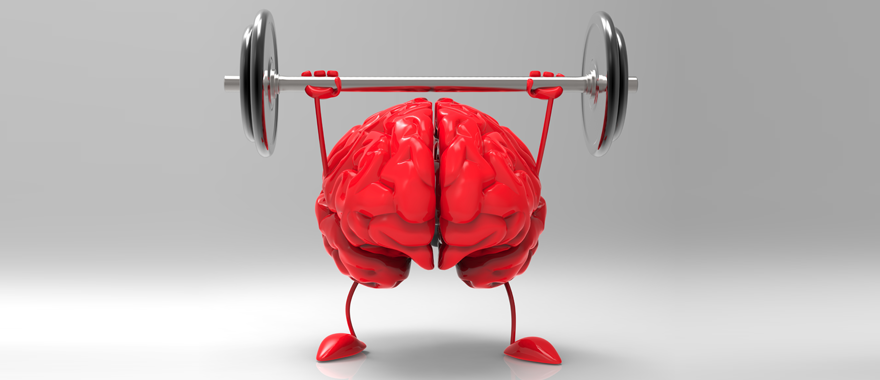
- Physical exercise, like meditation, makes your brain bigger and faster.
- Studies showed that the biggest benefits can come from just 5 minutes of exercise.
Too Much Self-Control
Insane levels of self-control have pitfalls too, like:
- Dangers of chronic stress.
- High energy expenditure.
Too much willpower (chronic self-control) could be dangerous. Trying to control every aspect of your thoughts and behaviour is too big of a burden.
Choose your willpower battles wisely.
The Self-Control Muscle
The self-control muscle can be exercised and made stronger.
It can be challenged by controlling one small thing you aren’t used to controlling. Or it can be committing to any small consistent act of self-control.
For example, creating and meeting self-imposed deadlines, or something like tracking spending, meals, eating less sugar, etc.
- Use your non-dominant hand for brushing teeth, opening doors, etc.
- Commit to doing something every day that you don’t normally do.
Challenge Accepted! Self-Motivation
Change requires doing. For your biggest willpower challenge consider the following motivations:
- How will you benefit from succeeding at this challenge?
- Who else will benefit if you succeed at this challenge? How does your behaviour influence your friends, family, coworkers, and community?
- Imagine this challenge will get easier for you over time if you are willing to do what is difficult right now. Is some discomfort now worth it if you know it is only a temporary part of your progress?
When you find your biggest want power, bring it to mind when you are want to give up.
The Promise of Reward
- The reward system of the brain is not what we think it is. We mistake wanting for happiness.
- When it comes to happiness, we cannot trust our brains to lead us in the right direction.
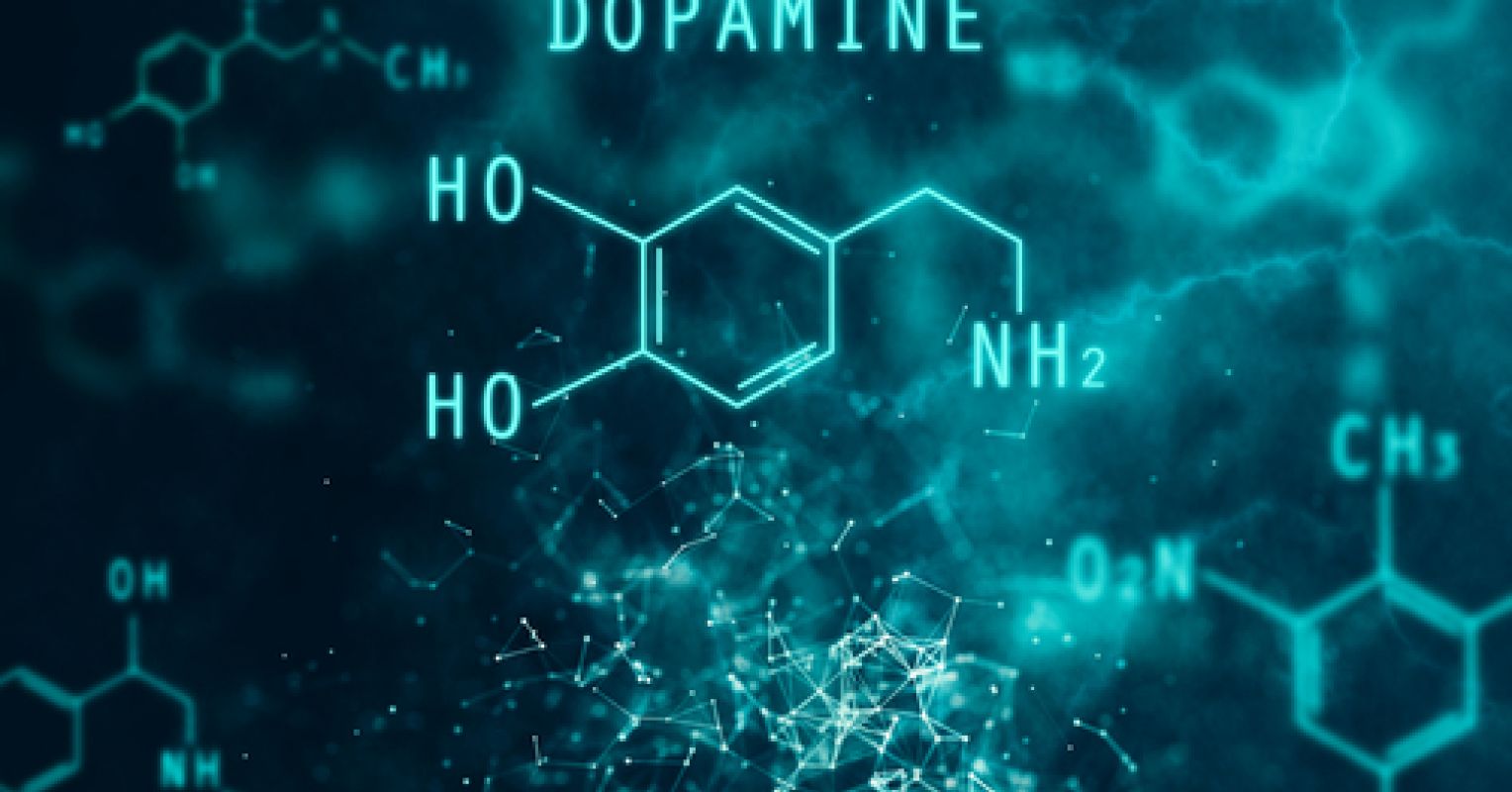
- Dopamine plays a role in anticipating rewards not in experiencing them
- The promise of happiness keeps us hunting.
- Dopamine is how technology keeps us addicted.
Become a Dopamine Detective
- We live in a world engineered to make us want. Pay attention to what captures your attention.
- Daydreaming about unattainable rewards can get you into trouble.
- The rewards system of the brain also responds to novelty and variety.
- Our brain responds to smells, advertisers and businesses use this to attract customers.
Dopamine Experiment
Dopamize your “I will challenge.”, being mindful of your dopamine triggers.
What gets your dopamine neurons firing?
- Look for how retailers and marketers try to trigger the promise of reward.
- Notice when wanting triggers stress and anxiety.
Test the promise of reward. Mindfully indulging in something your brain tells you will make you happy but that never seems to satisfy.
Examples: junk food, shopping, television, online time wasters.
Stress Busting
The most effective stress-relieving strategies are; exercise, playing sports, praying, attending a religious service, reading, listening to music, spending time with friends or family, getting a massage, going outside for a walk, meditating, doing yoga, spending time with a creative hobby.
The least effective stress-relieving strategies are; gambling, shopping, smoking, drinking, eating, playing video games, surfing the internet, watching TV or movies for more than two hours.
The Future You
Introduce yourself to you and you 2.0 (the future you!).
Future you is the person you imagine when you wonder if you should clean your closet now or later.
Meet your future self:
- Create a future memory. Imagining the future helps people delay gratification.
- Send a message to your future self. You can use Futureme.org. Imagine what your future self would say to you today.
- Imagine your future self. This can increase your present-self willpower.
Willpower Is Contagious
- Both bad habits and positive change can spread from person to person like germs.
- Thinking about someone with good self-control can increase your own willpower.
- Go public with your willpower challenge.
- Strengthen your willpower immune system. Spend a few minutes at the beginning of your day thinking about your goals.

The Craving
Trying to suppress thoughts, emotions and cravings backfires and makes you more likely to think, feel or do the thing you most want to avoid.
Four steps to handle cravings:
- Notice that you are thinking about your temptation or feeling a craving.
- Accept the thought or feeling without trying to distract yourself or argue with it. Remind yourself of the white bear rebound effect.
- Step back by realizing that thoughts and feelings aren’t always under your control, but you can choose whether to act on them.
- Remember your goal. Remind yourself of whatever your commitment is.