
10 Common Traits Of Self-Actualized People
 Curated from:
bigthink.com
Curated from:
bigthink.com
Ideas, facts & insights covering these topics:
21 ideas · 25.2K reads
What Is Self-Actualization?
The American psychologist Abraham Maslow famously proposed in 1954 the “Maslow’s hierarchy of needs” which theorized that psychological health culminated in self-actualization. Maslow saw that as being able to fulfill your potential, becoming your true self.
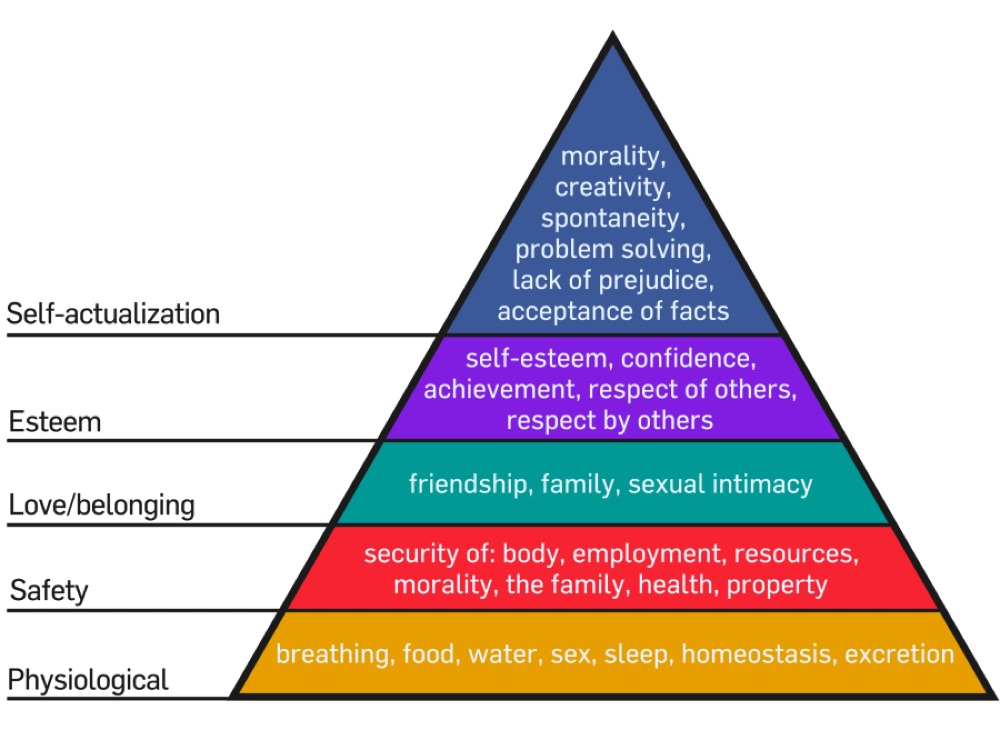
Maslow’s “Hierarchy” Or “Pyramid Of Needs”
The pyramid of human needs devised by Maslow was based on the idea that human motivations follow a prioritizing pattern. The 5-level hierarchy of needs goes from purely “physiological” towards “love”, and “esteem,” with each stage needing to be satisfied before moving on to the next.
Humanistic Psychology And Self-Actualization
Maslow’s ideas are regarded as humanistic psychology, arising in part as a reaction to Freud’s theory of psychoanalysis and B.F. Skinner’s behaviorism. This line of thought sees individuals as inherently striving towards self-actualization, where their capabilities and creativity are fully expressed. This point of view also regards all people as inherently good and more than the sum of their parts.
The Characteristics of Self-Actualization Scale (CSAS)
In 2018, psychologist Scott Barry Kaufman, from Columbia University, published a study that updated Maslow’s work with modern statistical methods and proposed 10 specific characteristics that are shared by self-actualized people.
Kaufman updated Maslow’s methods and language and utilized surveys of over 500 people on Amazon’s Mechanical Turk to zero in on these 10 characteristics that each made a distinct contribution towards self-actualization.
The 10 Characteristics Of Self-Actualized People
- Continued Freshness of Appreciation
- Acceptance
- Authenticity
- Equanimity
- Purpose
- Efficient Perception of Reality
- Humanitarianism
- Peak Experiences
- Good Moral Intuition
- Creative Spirit
1. Continued Freshness of Appreciation
- I can appreciate again and again, freshly and naively, the basic goods of life, with awe, pleasure, wonder, and even ecstasy, however stale these experiences may have become to others. A sunset looks just as beautiful every time I see one
- I often feel gratitude for the good in my life no matter how many times I encounter it
2. Acceptance
- I accept all sides of myself, including my shortcomings
- I accept all of my quirks and desires without shame or apology
- I have unconditional acceptance for people and their unique quirks and desires
3. Authenticity
- I can maintain my dignity and integrity even in environments and situations that are undignified
- I can stay true to my core values even in environments that challenge them
- I take responsibility for my actions
4. Equanimity
- I am often undisturbed and unruffled by things that seem to bother most people
- I am relatively stable in the face of hard knocks, blows, deprivations and frustrations
- I tend to take life’s inevitable ups and downs with grace, acceptance and equanimity
5. Purpose
- I feel a great responsibility and duty to accomplish a particular mission in life
- I feel as though I have some important task to fulfill in this lifetime
- I have a purpose in life that will help the good of humankind
6. Efficient Perception of Reality
- I often have a clear perception of reality
- I am always trying to get at the real truth about people and nature
- I try to get as close as I can to the reality of the world
7. Humanitarianism
- I feel a deep sense of identification with all human beings
- I feel a great deal of sympathy and affection for all human beings
- I have a genuine desire to help the human re
8. Peak Experiences
- I often have experiences in which I feel new horizons and possibilities opening up for myself
- I often have experiences in which I feel a profound transcendence of my selfish concerns
- I often have experiences in which I feel one with all people and things on this planet
9. Good Moral Intution
- I trust my moral decisions without having to deliberate too much about them
- I have a strong sense of right and wrong in my daily life
- I can tell “deep down” right away when I’ve done something wrong
10. Creative Spirit
- I have a generally creative spirit that touches everything I do
- I bring a generally creative attitude to all of my work
- I am often in touch with my childlike spontaneity
Takeaways From Kaufman’s Study
Taken together, this total pattern of data supports Maslow’s contention that self-actualised individuals are more motivated by growth and exploration than by fulfilling deficiencies in basic needs.
Another significant takeaway from the study is that people who reach self-actualization ultimately appear to be on the path towards self-transcendence. This observation confirms Maslow’s extension of his own theory in later years with concrete data. The more self-actualized we are, the more one with the world we feel.
The Self-actualization Test
To take the test of self-actualization yourself, go to Barry Scott Kaufman’s website:
https://scottbarrykaufman.com/selfactualizationtests/
Self-actualization Test Results
If you find yourself not scoring as high as you would like, Kaufman thinks you can develop such characteristics by changing your habits.
“A good way to start with that, is by first identifying where you stand on those characteristics and assessing your weakest links. Capitalize on your highest characteristics but also don’t forget to intentionally be mindful about what might be blocking your self-actualization […] Identify your patterns and make a concerted effort to change. I do think it’s possible with conscientiousness and willpower.”
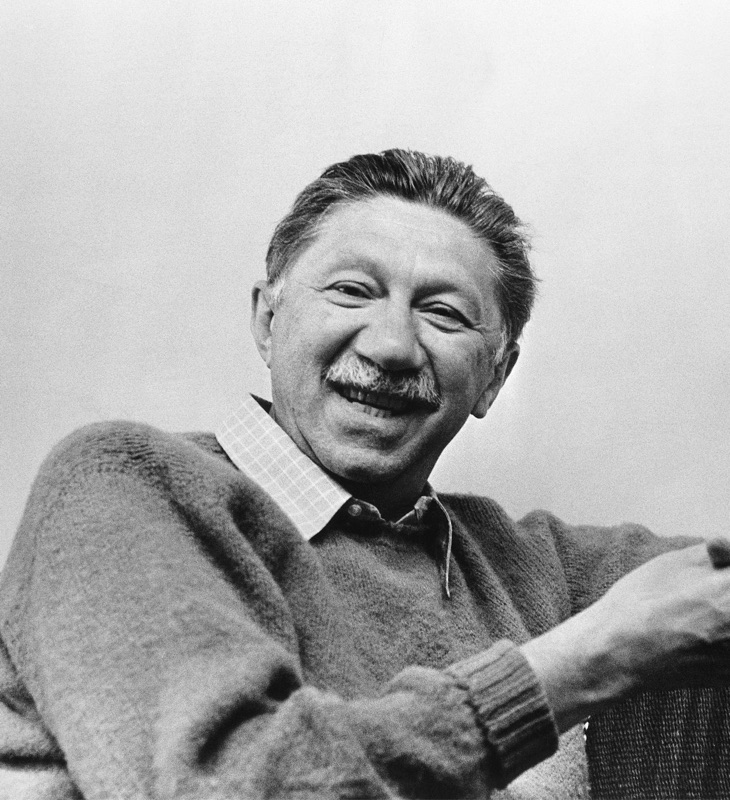
The trouble with most [of the people] who have been after me [“wanting to work with me” on self-actualization] is that it seems they have in the back if their heads some notion of self-actualization as a kind of lightning stroke which will hit them on the head suddenly without their doing anything about it. They all seem to want to wait passively for it to happen without any effort on their part.
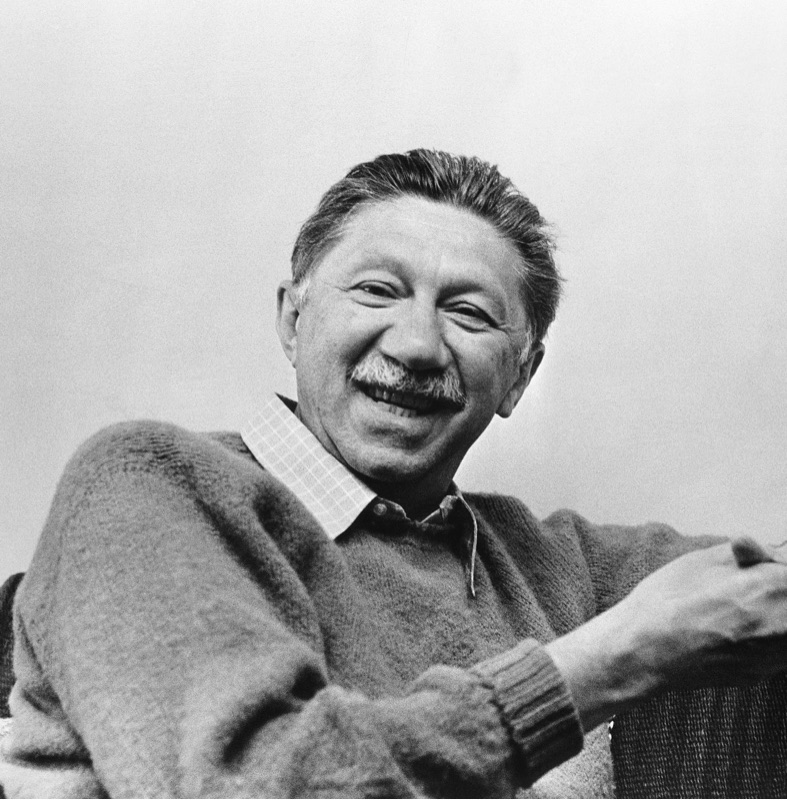
I think that practically all of [the people who “wanted to work with me” on self-actualization] have tended unconsciously to define self-actualization in terms of the getting rid of all inhibitions and controls in favor of complete spontaneity and impulsivity. My impatience has been largely because of this, I guess, that they had no stubbornness, no persistence, no frustration tolerance, and so forth - apparently just these qualities they consider as the opposite of self-actualization.
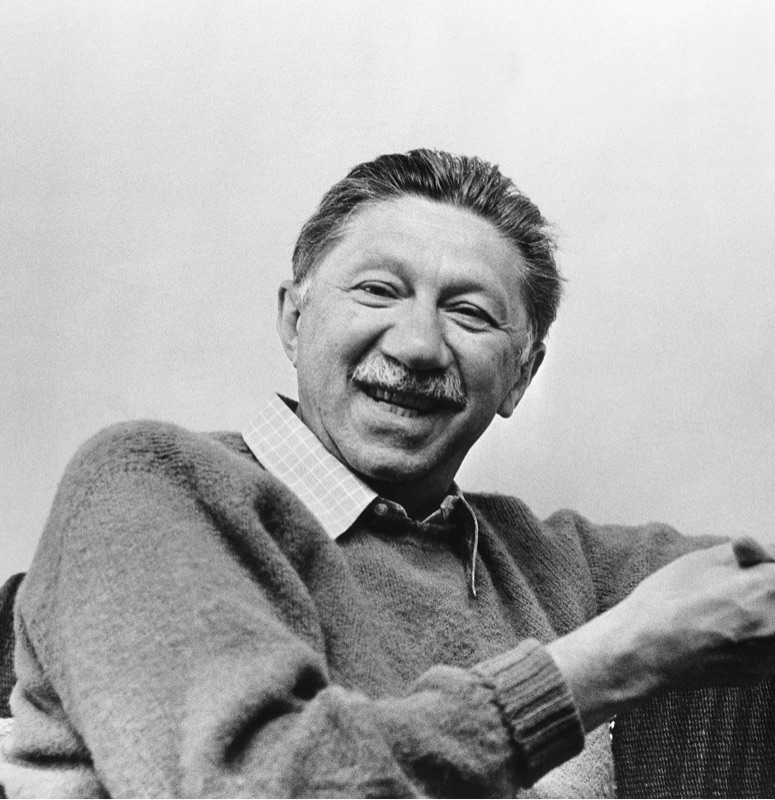
One thing about this whole business is that self-actualization work transcends the self without trying to, and achieves the kind of loss of self-awareness and of self-consciousness that the easterners, the Japanese and Chinese and so on, keep on trying to attain.
Self-actualization work is simultaneously a seeking and fulfilling of the self and also an achieving of the selflessness which is the ultimate expression of real self. It resolves the dichotomy between selfish and unselfish.