Mark Zuckerberg: Meta, Facebook, Instagram, and the Metaverse | Lex Fridman Podcast #267
Curated from: www.youtube.com
Ideas, facts & insights covering these topics:
9 ideas · 1K reads

Metaverse
How do you replicate presence?
Mark says Meta wants to make the most human thing possible: visual presence, spatial audio, temperature, olfactory system, touch, etc.
Meetings over Zoom are a great counter-example to some of the goals at Meta
Many Meta product elements are developed based on basic functions of psychology: facial expressions, eye contact, and more
There will be different use-cases for avatars: photo-realistic vs expressive identities. There is personal and functional utility in being able to customize your avatar
The market for creative commerce around digital clothing could be huge.
All the work that I do is at the intersection of Psychology and Computer Science
The goal of the metaverse is not to build technology for people to interact with; but rather, to build technology for people to interact with each other

The Social Dilemma
What grabs someone’s attention in the near term is not going to grab it over the long term.
Making a user angry isn’t going to retain that user, Facebook doesn’t have an incentive to do this. Products are not just their function and utility, it’s their feeling.
Subscription products cater towards their audience, they don’t have an incentive to be in the middle–this fuels polarization. Advertising models at least make consumer services free, giving everyone an opportunity to have a voice.
Greater polarization has been found in groups that are least likely to use the internet or social media.
Instagram Whistleblower
An accurate characterization would have been that teens using Instagram are generally positive for their mental health, but of course, that was not the narrative that came out. Mark argues that other tech companies don’t even bother to perform the research
They want to do the research to improve, not to sweep it under the rug
“Objectively speaking, there’s hunger [in the press] to say negative things about social media. And, I don’t understand how that leads to an open conversation about the positives and negatives of social media.
Censorship
You can only build Facebook/Meta if you have the idea that people having the right to express themselves is a good thing
Voice + Connection = Opportunit.
The challenging thing with free speech is that there is a line, the thing that everyone disagrees on is the definition of real harm. The blame for improper censorship should also be directed at the institutions of the United States that fail to define harm accurately and honestly.
Balancing the AI system that proactively regulates harmful content is challenging. It’s no longer a technical problem, simply a philosophical one.
I don’t think pressure from advertisers or politicians directly affect how we think about this, these are just hard topics
Life Advice
Think about what you’re excited about for the future. Always keep sight of things that bring you joy
Surround yourself with people you want to be like. Mark only hires people that he could see himself working for in an alternate universe.
This advice expands to your friends and relationships.
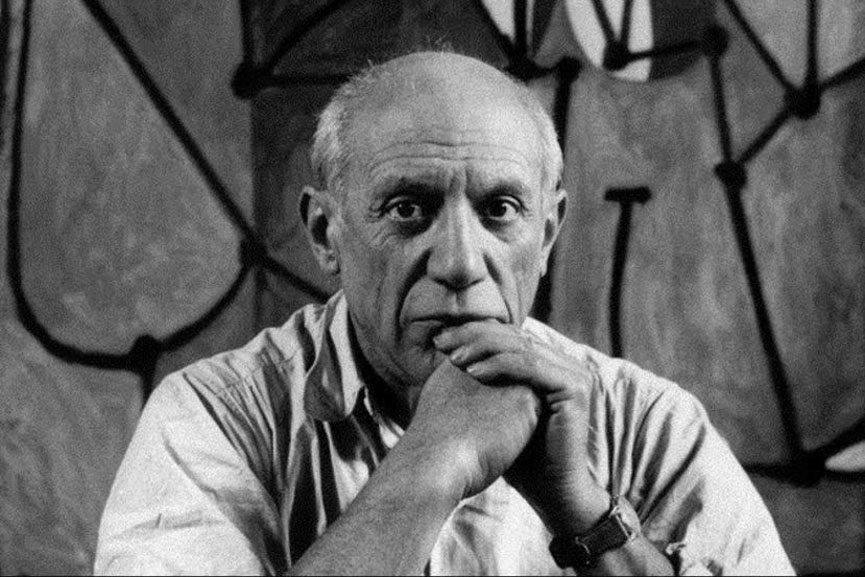
All children are artists, the challenge is how do you remain one when you grow up