
Seat Belt History
 Curated from:
tedium.co
Curated from:
tedium.co
Ideas, facts & insights covering these topics:
6 ideas · 76 reads

The legacy of the seat belt
The seat belt has become a key part of our lives, a strap of nylon webbing that has saved many lives in the years since they've been embedded into the mainstream.
The fabric that seat belts are made out of is called webbing, referring to the weaving process. Often made of synthetic materials like nylon and polyester, the tensile strength of a seat belt has to meet specific standards.
One benefit of this highly regulated material is that most problems have been solved, and much research has been done into edge cases.
Design perspective of seat belts
The design of seat belts has directly inspired the designs of other products.
The modern seat belt invented over 100 years ago had inspiration from the defence industry, which tested different harnesses and other structures during WWII.
Interesting facts about seat belts
- The concept of the seat belt predates the automobile. The idea originated in 1840 when Sir George Cayley wrote about a safety mechanism for trains and suggested a "broad padded belt to be placed in front of each passenger."
- Why your seat belt always gets stuck. A seat belt uses a retractor that is designed to lock up in case of a sudden jerk.
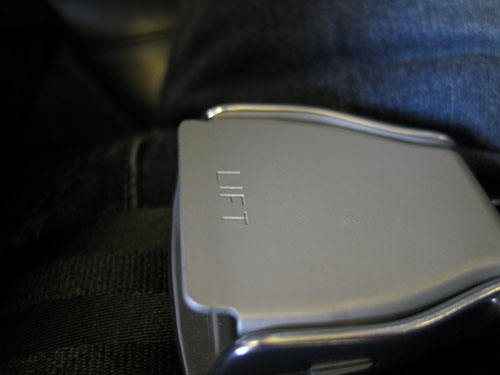
- Airline seat belts aren't made equal. Airline seatbelts need a seat belt extender to get in the seat safely. It is an older design but can be taken off quickly and has less risk of accidental pressings.
The seatbelt patent was given away
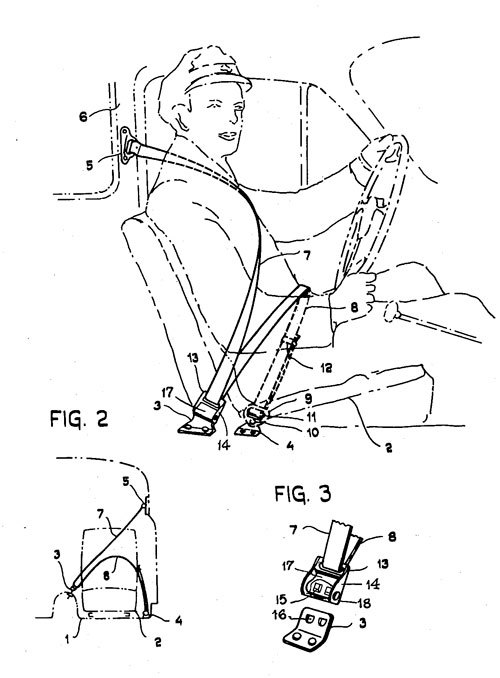
Swedish inventor Nils Bohlin came up with the three-point seat belt which secures your waist and chest with a stretching belt mechanism that pulls out just as much slack as the passenger needs.
The two-point seat belt, which went across your lap, was imperfect, especially in independently adjustable seats and was known to cause internal injuries during car crashes.
Bohlin was granted a patent in 1962, but it soon became clear that the patent would be more useful as an official standard mandated at a regulatory level.
The automobile industry’s handling of seat belts
- In 1955, Ford offered seat belts as a part of a safety campaign in its vehicles. It was a novel option at the time.
- But Ford was also competing against General Motors, which focused on traditional concerns such as speed.
- Speed won, and Ford executives blamed their declining sales on the safety campaign.
- In 1967, Bohlin published a report on crash statistics involving Volvo’s three-point seat belt. The seat belt prevented fatal injuries in vehicles that crashed below 60 miles per hour.
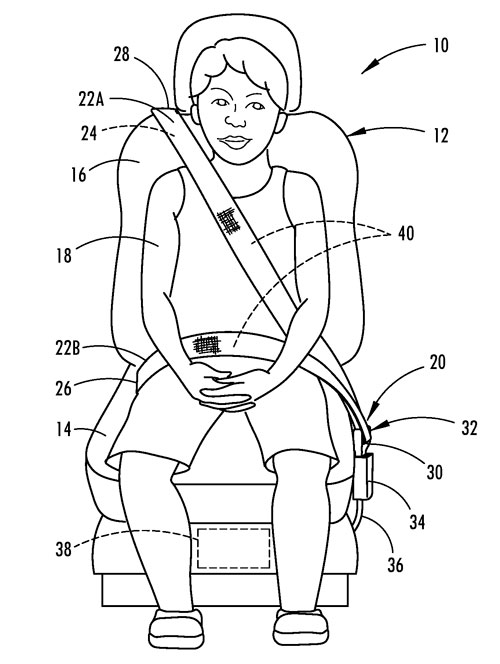
- The three-point seat belt became a part of the regulations and was soon replicated worldwide.
The seat belt is an important innovation
It highlights the value of creating consistent standards for the common good.
However, there's always room for innovation. For example, a Ford patent for a heated seat belt raised eyebrows in the automotive world.
The patent discusses adding a heating mechanism to the webbing of a seat belt strap, but some sceptics noted obvious technical problems such as being wrapped up in electricity should you be involved in an accident.