
Brené Brown: Why Your Critics Aren't The Ones Who Count
Curated from: youtu.be
Ideas, facts & insights covering these topics:
8 ideas · 597 reads

There is nothing more vulnerable than creating
No one often talks about the perspiration that comes from the fear of presenting an idea or talking about something we care about.
One thing that always happens when a creative is sharing their idea is that they will be criticised. The criticism may not relate to their work but be personal, causing the creative to withdraw from that space.

"It is not the critic who counts; not the man who points out how the strong man stumbles, or where the doer of deeds could have done them better. The credit belongs to the man who is actually in the arena, whose face is marred by dust and sweat and blood; who strives valiantly; who errs, ... who at the best knows in the end the triumph of high achievement, and who at the worst, if he fails, at least fails while daring greatly, so that his place shall never be with those cold and timid souls who neither know victory nor defeat."

Being vulnerable and the critics
Vulnerability is not about winning or losing. It's about showing up and being seen.
But if you're going to show up, create things and be seen, you are guaranteed that you will be criticised. That is the only certainty you have.
However, only take feedback from those who are also in the arena and willing to put themselves on the line.
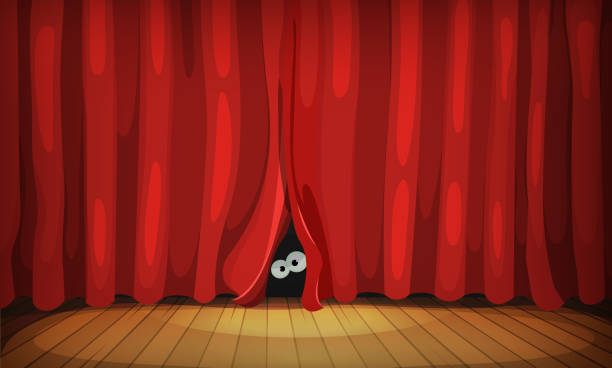
The arena
Just before we show up to present our creative work, we are often scared, we have self-doubt, anxiety, and uncertainty.
What most people do when they walk into the arena and know these emotions will meet them is they armour up. They put on all the armour to protect themselves. The problem with armouring up against vulnerability is that you shut yourself off from everything you do and love.
The two sides of being vulnerable
Being vulnerable is a part of fear and self-doubt and grief and uncertainty and shame. But it is also the birthplace of love, joy, empathy creativity and innovation.
Without vulnerability, you cannot create. As a creative, you're asked to really put yourself out there so that people can see what you're doing and what you're made of. You'll be loved by some and criticised by others. The best way to move forward is not to ensure the critics are not in the arena. It is to know that they will be there and to know exactly what they're going to say to you.
The four types of critics
When you share your work, you will always find four critics:
- Shame: That gremlin that whispers you're not enough or if you're feeling confident, the gremlin that tells you, "Who do you think you are?"
- Scarcity: What am I doing that's original? What is special in what I contribute?
- Comparison.
- Your teacher, parent, critical co-worker. "I don't worry about what the critics think": When we stop caring what people think, we lose our capacity for connection. But when we are defined by what people think, we lose our capacity to be vulnerable.
How to show up as a creative
If you're going to spend your life in the arena, showing up, there are a few things you need:
- Clarity on your values: If courage is a value, you will keep on showing up. Whether you are successful or not is irrelevant.
- Have at least one person in your life whos willing to pick you up and dust you off when you fail.
The people who have the most courage are willing to show up and be vulnerable. They know who their critics are, reserve seats for them and hear them but do not buy their message.

You are your biggest critic
When you put an idea or piece of art or design forward, you are normally your biggest critic.
We have an ideal; of what we're supposed to be, and many of us end up orphaning the parts of ourselves that don't fit that ideal.
When we orphan the parts of us that don't fit the ideal, we are only left with the usual parts that look like everyone else: where we were born, who our family is. However, when we don't orphan the parts, we can be the person who believes in what we're doing. We can be vulnerable to say yes, this feels scary and put ourselves out there anyway.