The foul and the fragrant: what did the past smell like?
 Curated from:
bigthink.com
Curated from:
bigthink.com
Ideas, facts & insights covering these topics:
6 ideas · 350 reads

Key Takeaways
- In the not-so-distant past, most American and European cities reeked of death, decay, and waste.
- However, these are just some of the many smells, both foul and fragrant, that helped determine the course of history.
- From Roman funerals to Aztec chewing gum, the historic role of smell was much more important than we realize.

The Nose Knows It All
- Most 19th century cities smelled like a combination of raw sewage, horse manure, piles of uncollected garbage baking in the sun, and, last but not least, the "odorous slaughtering and processing of animals"
- Things weren't much better in Paris which, despite its reputation as the city of love, smelled like anything except roses

Foul Smell And Germs: The Miasma Theory
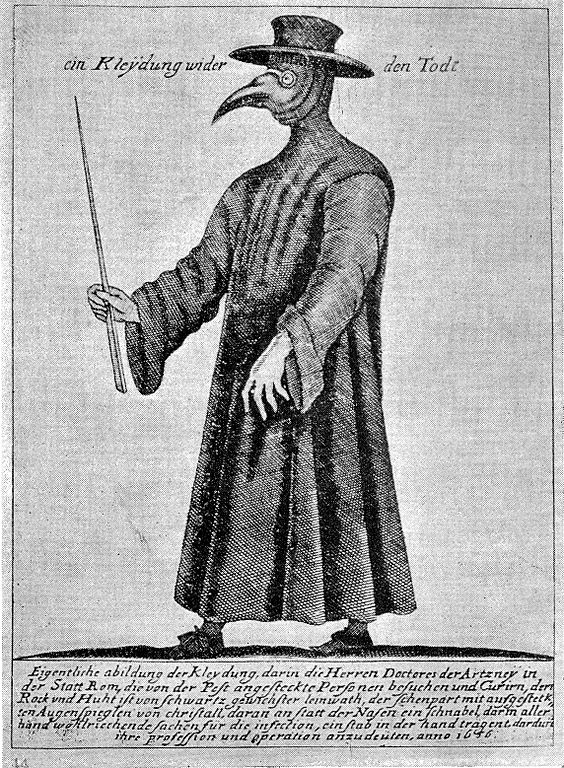
The Scientific Revolution introduced the now disproven but once widely accepted notion that illnesses spread through foul odours like those emanating from cesspools, garbage dumps, and animal carcasses.
Doctors advised their patients to avoid these odours — known as “miasmas” — like the plague, and they continued to do so until germ theory became more widely accepted in the later half of the 19th century.

Bad Smells Everywhere
Miasma theory affected nearly every part of civilization, from politics to the economy. Perfumes made from animal musk — common in Europe since the early Middle Ages — disappeared in favour of floral scents. Instead of sniffing their own latrines, people now covered their apartments with various sweet-smelling plants to block out noxious gases from the outside world.
Smell Beyond Stench
- William Tullett, a history professor at Anglia Ruskin University, thinks modern media may have exaggerated the stench of past centuries.
- Our obsession with stench may be rooted in some contorted form of xenophobia.
- Recent global research suggests that the current literature on smell in history is not only too simplistic but also too Eurocentric.
- While particular smells demarcated certain social standings in pre-revolutionary France, the same standards did not apply to other countries.

Perfuming The Dead
- Romans treated their dead with perfumes, ointments, and incense while they lay in state.
- These fragrances combated the “pollution” inside the corpse.
- Perfuming the dead was so important to ancient Romans that it often took precedence over other social customs.