
10 Lessons From Shark Tank India Everyone Can Learn From
Curated from: www.scoopwhoop.com
Ideas, facts & insights covering these topics:
11 ideas · 763 reads
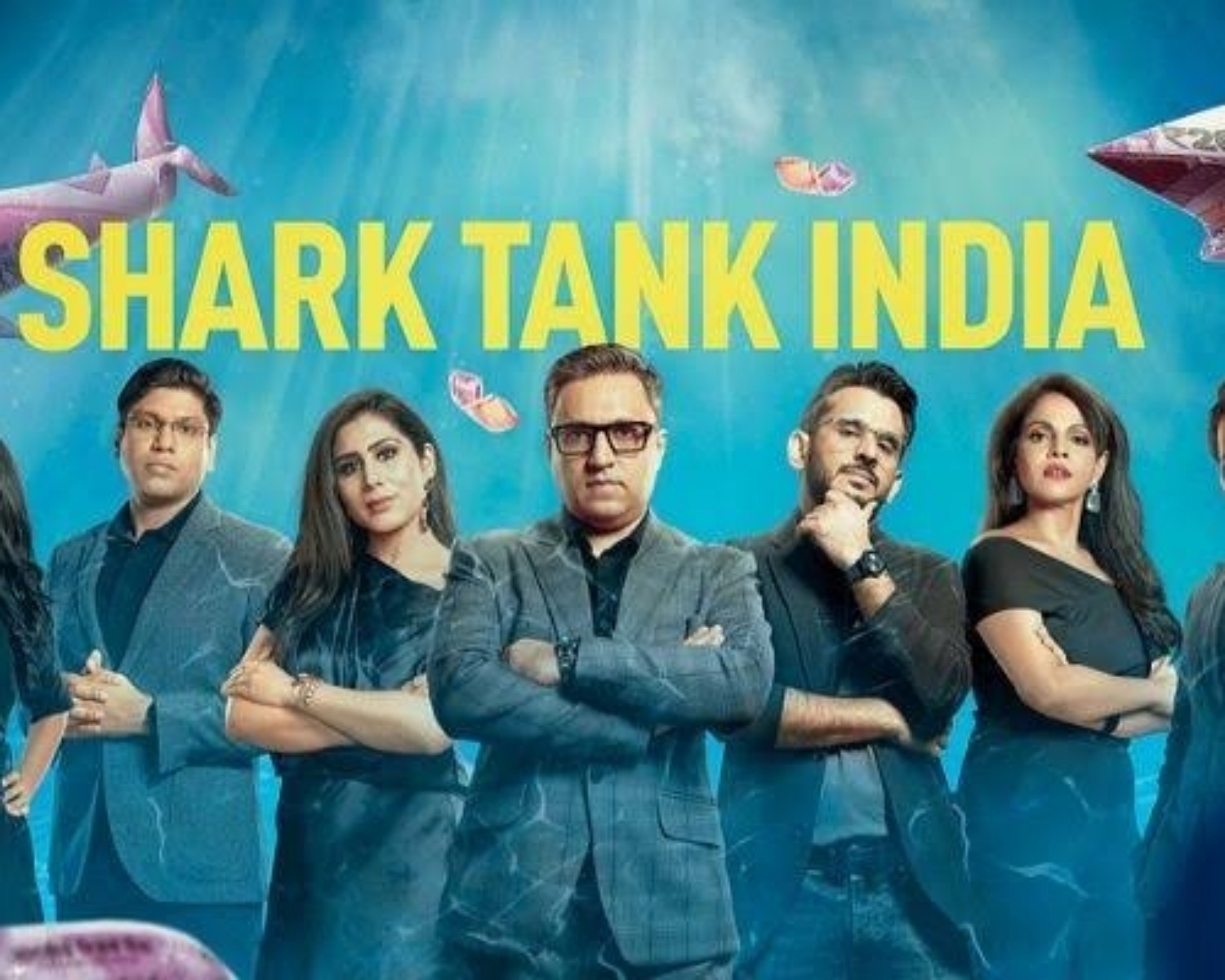
Ten Lessons That We Can Learn From Shark Tank India
Whether you started watching Shark Tank India because of your love for entrepreneurship, the memes that were all around the internet, FOMO or just came across an episode while scrolling through social media, there are a lot of lessons you can learn from Shark Tank India. Today, we are going to look at a few of them.

Lesson 1: Passion is a Must
From the first 15 seconds of a pitch on Shark Tank, viewers have a pretty good idea of whether or not there will be any interest from the Sharks. Even when no financials or other pertinent details have surfaced, much is said through how the entrepreneur carries him or herself. A monotonous, poorly scripted pitch sets aspiring entrepreneurs behind and necessitates a recovery at some point.

Lesson #2: Do Not Overextend
One of the biggest mistakes entrepreneurs make on Shark Tank is going back on their original asking price. Time after time, an entrepreneur will get the exact offer he or she asked for but then hesitate on the deal. The greed of the moment causes them to attempt to squeeze out a few more dollars. Never go back on your word if you want to be honest and gain respect. If you do, one day it will come back to bite you.

Lesson 3: Go All In
Being an entrepreneur is all about risk and reward. To get the latter, you need a healthy dose of the former. Many entrepreneurs have a great idea – and one that works well – but fail to attract investors because they still have another full-time job. The Sharks often turn down entrepreneurs because their focus isn’t 100% on their idea. While you have to do what’s best for your family and personal situation, understand that investors appreciate and respect someone who is all in.

Lesson 4: Build a Team
Another characteristic the Sharks like to see is a strong core team; key word being team. While solo teams do work, there are advantages to a strong, cohesive team with complementary skillsets. Investors typically prefer this for a number of reasons, including an ability to take on more responsibility and increased flexibility

Lesson #6 Establish a Bottom Line
When going into a pitch or proposal situation, it’s important to have a bottom line for negotiations. In Shark Tank, entrepreneurs rarely get exactly what they ask for. There are usually negotiations – which are typically lower than the original asking price. With that truth in mind, it’s important to set an absolute bottom line that you will not cross. This ensures you won’t be swayed by the heat of the moment.

Lesson 7: Master the Pitch
Simply put: you must master the art of the pitch. Unless you’re self-sufficient and can fund your own ventures, you will need to ask for resources at some point. Whether you’re asking your brother or a venture capitalist, a good pitch is needed. It should be simple, comprehensive, and enticing. Next time you’re watching Shark Tank, spend time grading each pitch. What are they good at? What do they lack? Consider giving them a grade for each of the factors above – simple, comprehensive, and enticing – to learn more about mastering the art of the pitch.

Lesson 9: Think Long-Term
Investors love entrepreneurs who think long-term. You should have a 6-month, 1-year, and 5-year plan for your product or idea. This proves you are looking beyond the short-term and well into the future. Long-term thinkers are not blinded by small issues in the present because they know where they are going and how to get there. The Sharks love a plan and usually have more confidence in someone who has their eyes on the future

Lesson #10: Equity Isn’t Everything
It can be scary to give up equity in your business, but don’t let it keep you from taking on investors. If the investor has the right skillset or experience, it can be worth the tradeoff. Equity is certainly valuable, but so is having a mentor. Don’t be afraid of giving up equity to the right individual – especially when it’s one of the Sharks.