What Animal is your Startup?
Curated from: www.linkedin.com
Ideas, facts & insights covering these topics:
11 ideas · 1.1K reads
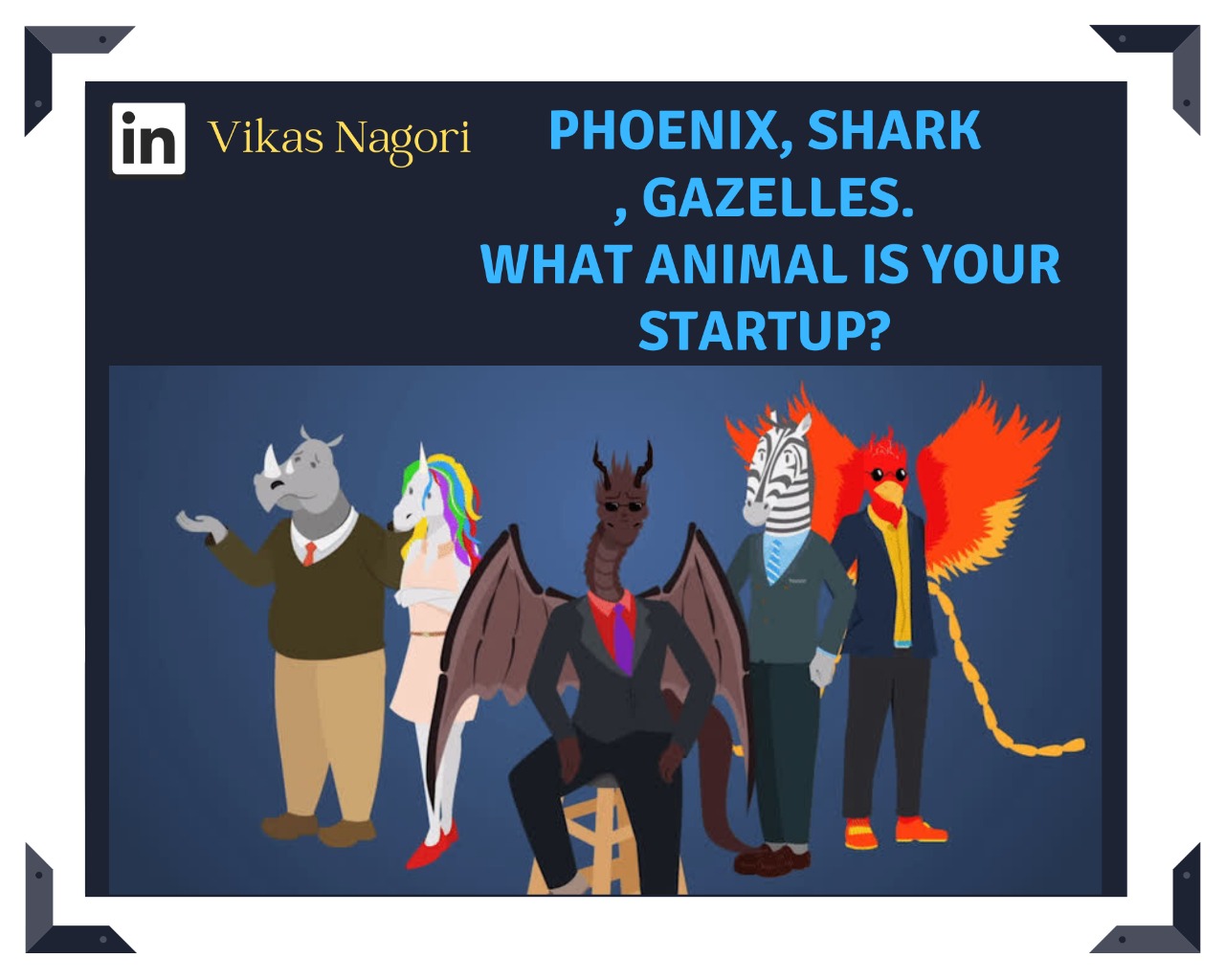
What animal is your Startup?
This probably sounds quaint, but once upon a time, tech startups were called “startups.” Occasionally, venture capitalists called them “portfolio companies,” or customers called them “tech companies,” but “startup” was the main term.
In 2013, though, startups began their Animorphs journey.
THE ZEBRA
Zebra businesses have roots in their leaders’ personal experiences and visions. Zebras fuse profit and purpose, shy away from venture funding and collaborate.
Zebra founders’ connection to their companies means they strive for capital efficiency and tend to avoid trading equity for venture funding.
Examples: Baremetrics, Zapier
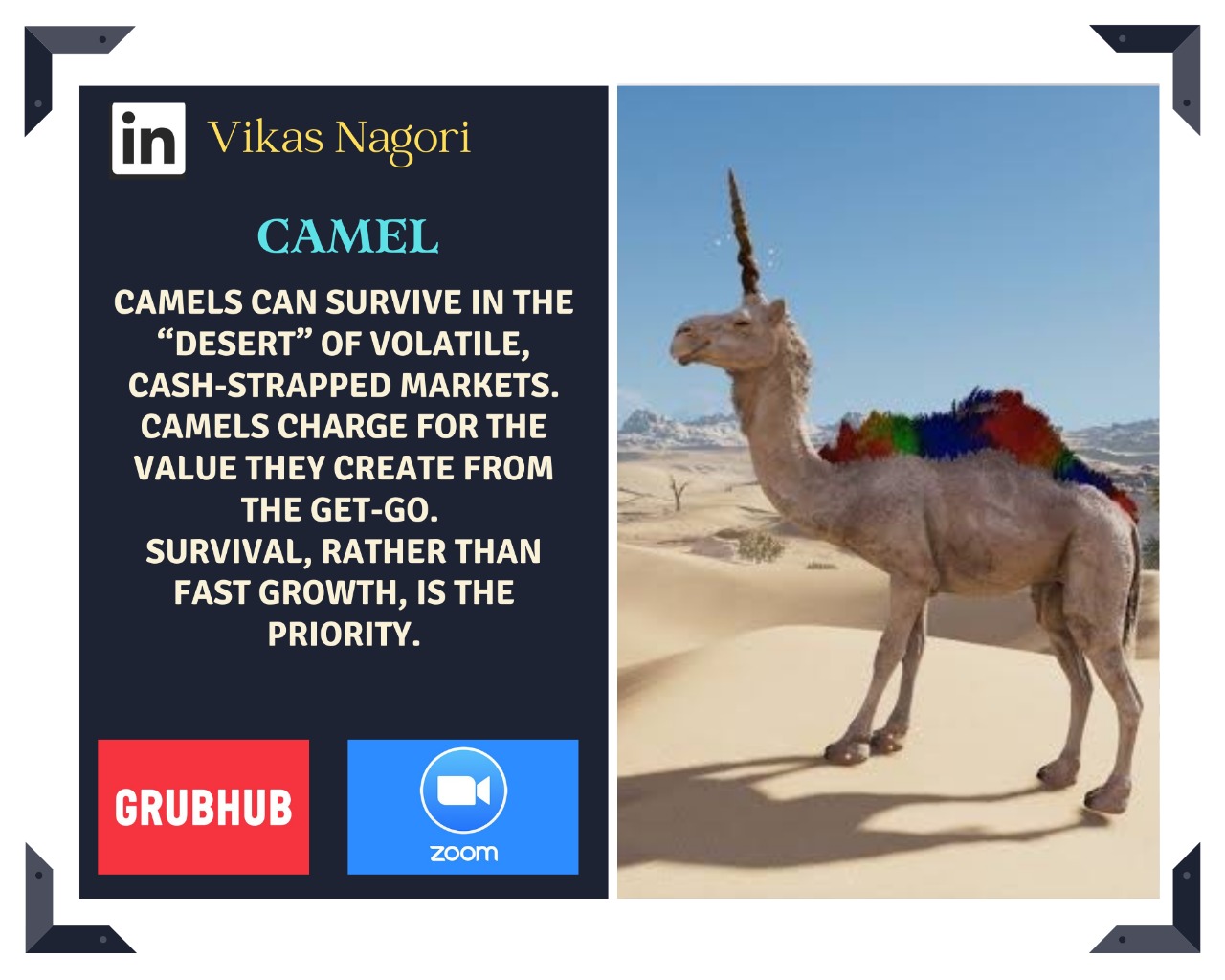
The Camel
Camels can survive in the “desert” of volatile, cash-strapped markets.
Camels charge for the value they create from the get-go.
Survival, rather than fast growth, is the priority.
Examples: Qualtrics, GrubHub, Zoom
THE GAZELLE
A gazelle is a company that had revenue of at least $1 million and then doubled its revenue in four years. Its growing by 20 per cent each year.
It was what unicorns used to be called before the term unicorn was coined.
Examples: Facebook, Apple, and Amazon would all have been initially seen as gazelles.
Cockroach
Cockroach companies aren’t glamorous, aspirational, or exciting. But they are great at surviving.
When you consider that more than 90% of entrepreneurial businesses tend to fail, aspiring to cockroach survival mode isn’t too bad. They’re the mainstay of the economy.
Cockroaches ideally aim for profitability right from the start and can slow down their pace if adversity hits.
Examples: GitHub, Facebook and Google were once cockroach startups and became unicorns only after building a solid business, cockroach style.
Rhino
Rhino startups aim to be both big and profitable. Rhinos as companies that have a valuation of $1bn on a price-to-earnings multiple, not on a revenue multiple. Rhinos are far rarer than unicorns.
Examples: Apple, Facebook, Google
Pig
Pigs are startups that take advantage of the fact that it has become relatively cheap and easy to make a web product. You can get the development work done at a modest price and even raise some initial capital.
Pigs aren’t building the company for long-term world domination—they’re aiming to sell it to a big corporate or a competitor at the right moment.
Apple and Google regularly shop for tasty pork among companies like this.
Examples: Snapchat buying Looksery. Facebook buying Masquerade
A bear is a solitary, awkward creature that values its independence and therefore doesn’t want to take VC money. The founders of these companies choose the bootstrapping route, which makes life harder for them. But if it pays off, they end up rich AND in control of their companies.
Examples:Tableau Software, Go-Pro, Mail chimp
Phoenix
Phoenixes are companies that last more than a hundred years because they rise, fall, and then rise again. Companies that have managed to reinvent themselves as a third or fourth-generation youngster takes the helm.
Examples: Fiat, Otto Bock, GM
Unicorn
"Unicorn" is the term used in the venture capital industry to describe a startup company with a valuation of over $ 1 billion.
Example: CRED, Groww
The White Elephant
White elephant startups symbolise huge projects without a deeper economic meaning. A real example is a construction project that happens only for a major event such as sports events.