
Why Do We Carve Pumpkins at Halloween?
 Curated from:
www.rd.com
Curated from:
www.rd.com
Ideas, facts & insights covering these topics:
4 ideas · 412 reads

The history of jack-o’-lanterns
- A jack-o’-lantern is, as the name might suggest, a lantern—one made out of a root vegetable.
- Their origin comes from an Irish myth about Stingy Jack, who tricked the Devil for his own monetary gain.
- When Jack died, God didn’t allow him into heaven, and the Devil didn’t let him into hell, so Jack was sentenced to roam the earth for eternity.
- In Ireland, people started to carve demonic faces out of turnips to frighten away Jack’s wandering soul.
- When Irish immigrants moved to the U.S., they began carving jack-o’-lanterns from pumpkins, as these were native to the region.
129 reads

How jack-o’-lanterns have changed throughout history
The pumpkin aspect of the tradition is uniquely American. When Europeans came to America, they discovered pumpkins, a Native American crop that, besides being tasty, they recognized would make fabulous jack-o’-lanterns.
The spooky history behind this family tradition has been lost as years go by. So now carving pumpkins is synonymous with family and fun instead of spooky spirits.
111 reads

How jack-o’-lanterns become associated with Halloween
- Halloween is based on the Celtic festival Samhain. It was believed that during Samhain the souls of those who had died that year traveled to the otherworld and that other souls would return to visit their homes.
- In the 8th century CE, the Roman Catholic Church moved All Saints’ Day, a day celebrating the church’s saints, to November 1. This meant that All Hallows’ Eve (or Halloween) fell on October 31.
- Traditions from Samhain remained, such as wearing disguises to hide from the souls wandering around your home.
- The folklore about Stingy Jack was quickly incorporated into Halloween, and we’ve b
een carving pumpkins—or turnips—ever since.
89 reads
Jack-o’-lanterns in other cultures
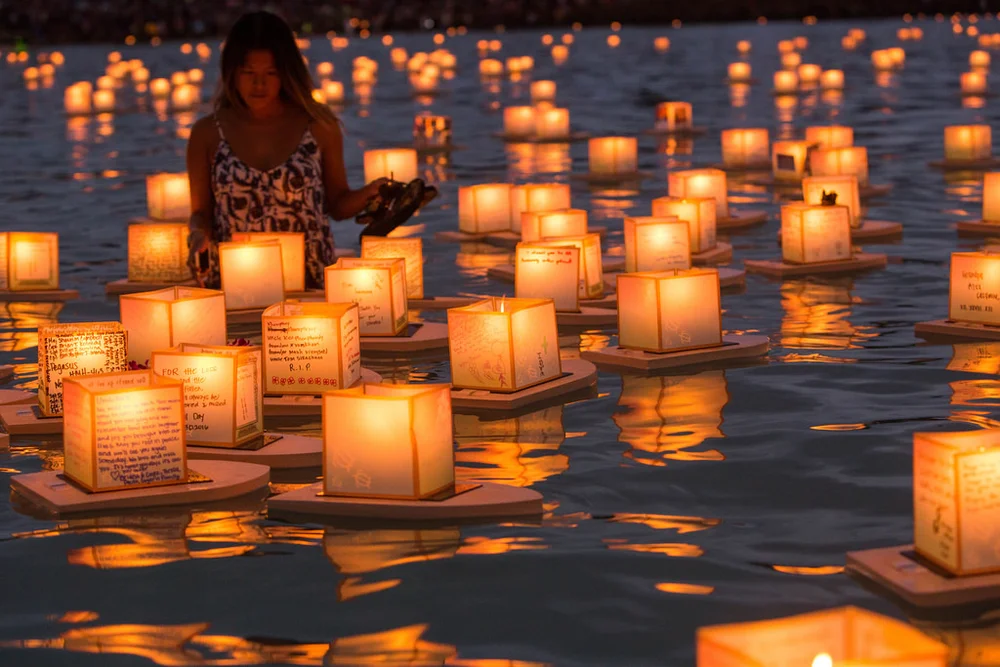
- Lighting candles is a near-universal way to beckon the dead in cultures that still call them to return for one night. For instance, you can see this custom in the Mexican Día de Muertos.
- But only the Celtic culture uses imitation skulls called jack-o’-lanterns to welcome some and banish others.
- Japan has a similar tradition: The Japanese light four-sided paper lanterns on small wooden rafts and send them down rivers to guide their beloved spirits back home on a stream of light on their day of the dead, which they call Obon.
83 reads