Stop Getting Lost: Make Cognitive Maps, Not Levels
Curated from: www.youtube.com
Ideas, facts & insights covering these topics:
3 ideas · 291 reads

The role of maps
In a gamified system, maps serve important functions:
- Orientation: Provide users with a visual representation of the game environment.
- Navigation: Helps players navigate the app or game.
- Goal Setting: Maps can be used to set goals & objectives for players. Like visiting all the locations on a map or completing challenges in specific areas.
- Progression: Can be used to track a player's progress through a game & provide a visual representation of their journey.
- Storytelling: Maps can be used to tell a story, convey information about the game world, and provide context for the player's actions.
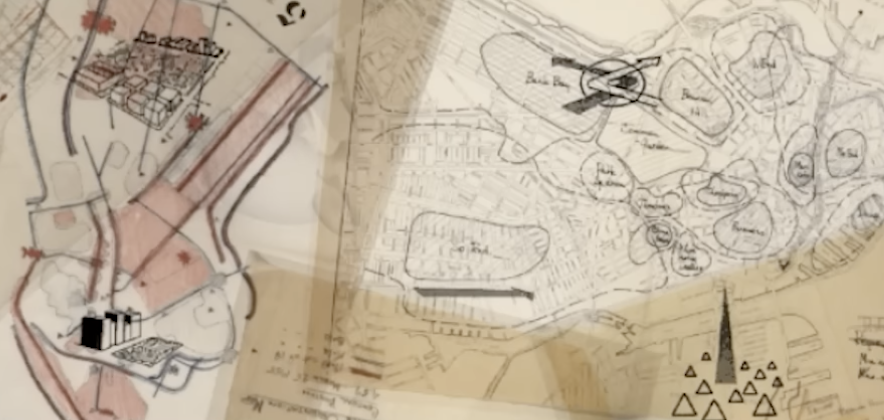
Cognitive Maps (CM)
A good map has to map the environment in the mind of the user, not to faithfully represent the terrain. The map is not the territory.
When the map does not match the territory (or the environment), users get lost. They usually quit the game.
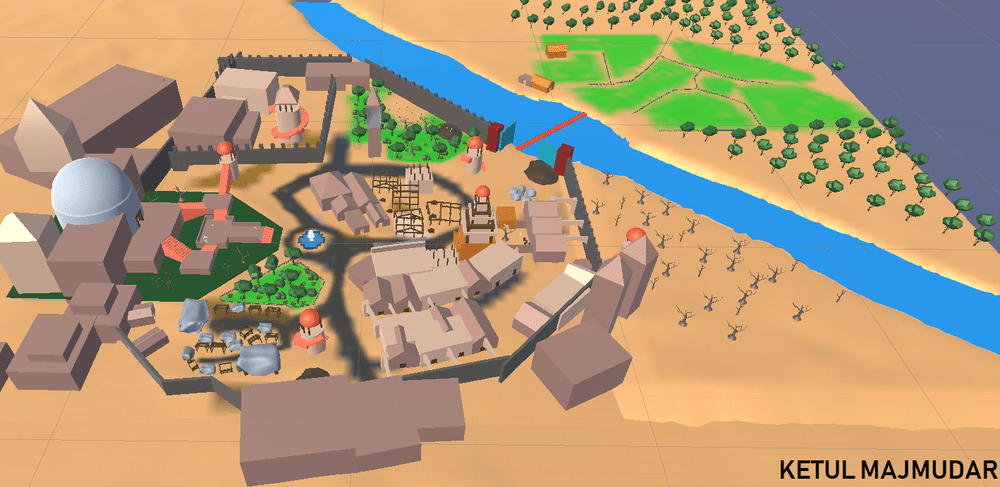
Deconstruct cognitive maps
In games maps can be made of:
Path - a route that players can follow. In 3D games it can literally be a road.
Landmark - usually fixed, recognisable elements that act as reference points helping players orienting themselves.
District - used to divide a large game world into smaller, more manageable regions.
Edge - they have to separate or break the world continuity. Gates, Walls etc. They can mark the end of the world or be used to transition to new areas.
Node - a hub that can be used to access multiple locations. A plaza, intersection etc. Usually placed between districts.