
The Best Response to an Insult Involves an Ancient Philosophy
 Curated from:
forge.medium.com
Curated from:
forge.medium.com
Ideas, facts & insights covering these topics:
5 ideas · 24.9K reads

Stoicism and insults
In ancient Greece and Rome, the Stoics (philosophers that taught the value of emotional resilience) advised their devotees to let insults go.
The Stoics weren’t pushovers, they just knew that not all insults were created equal. And most importantly, they knew how to decide which ones to ignore and which to take to heart.
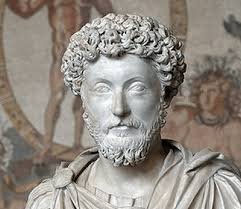
“The best revenge is to be unlike him who performed the injury.”
Not all insults are created equal
The Stoics viewed an insult from a trusted friend or mentor as something that would benefit them, a real occasion for self-improvement that should be received with gratitude.
You should pay extra attention to the input of the people you respect, because they have some important insights about you. An insult from someone you respect is an insult informed by experience, and it should be careful considered, even if it’s painful.
Put yourself in your critic's shoes
Question your assumptions about your critic's intention. Insults are not always meant to be harmful insults are designed to be harmful. The line between an insult and a piece of well-intended constructive criticism is almost always subjective.
Thus, to soften the impact of an insult, put yourself in your critic's brain and ask: What were they trying to accomplish with that comment?
Accept that you have flaws
To absorb more fully what’s being said about you and really read it as an opportunity for self improvement, work to diminish sensitivity to your own imperfections.
This means you have to accept the idea that you have flaws, and that sometimes, people are going to point them out.