
The Last Conversation You'll Ever Need to Have About Eating Right
Curated from: www.grubstreet.com
Ideas, facts & insights covering these topics:
10 ideas · 135K reads
There is no "best diet"
The “best” diet is a theme: an emphasis on vegetables, fruits, whole grains, beans, lentils, nuts, seeds, and plain water for thirst.
That can be with or without seafood; with or without dairy; with or without eggs; with or without some meat; high or low in total fat.

Best foods don’t have labels
Because they are just one ingredient: avocado, lentils, blueberries, broccoli, almonds, etc.
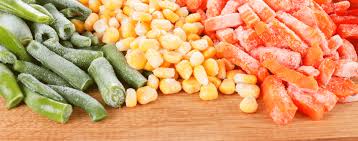
The "Age" of vegetables
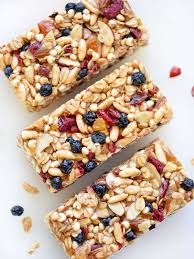
Power bars
...are closer to junk food than they are to real food.
Many power bars have nutritional profiles similar to Snickers.
Detoxing and Cleansing are Myths
The body detoxifies itself daily; that’s a primary job of the liver and the kidneys, and they are really good at it. The intestines, spleen, and immune system are in on it, too.
Take good care of your liver and kidneys, gut, and immune system. Far better “cleanse” than any juice.
Ketogenic diet
A diet that starves the body of glucose sources so that it’s forced to burn ketone bodies — products of fat metabolism — as fuel. There is not a lot of evidence to show prolonged ketosis is good for health.

Good Carbs, Bad Carbs
Highly processed grains and added sugar are bad because they’ve been robbed of nutrients, they raise insulin levels, and they’re often high in added fats. But most plant foods are mostly carbohydrates: vegetables, fruits, whole grains, beans, lentils, nuts, and seeds, which are quite healthy.
In conclusion: Carbs are not evil; junk food is evil.
Gluten intolerance
Only 10% of people have problems with tolerating gluten.
About one percent of people have celiac disease, and perhaps 10 percent have lesser forms of sensitivity, which may be related to other factors, like a disrupted microbiome.
To lose weight: diet>exercise
Both diet and exercise are important to health, and exercise is important in weight maintenance. But to lose weight, the preferential focus needs to be on controlling calories in, more than calories out.