11 Ways to Think Outside the Box
 Curated from:
www.lifehack.org
Curated from:
www.lifehack.org
Ideas, facts & insights covering these topics:
11 ideas · 66.4K reads

Take a Shower
Anecdotal evidence links shower to creativity.
So maybe when the status quo response to some circumstance just isn’t working, try taking a shower.

Study Another Industry
Pick some media from different industries. You may find that other industries have problems similar to yours but maybe they were solved in a different way.
You may also find new linkages between your own industry and another, linkages that may lead to innovative partnerships in the future.

Learn About Other Religions
Religions are a way for us to understand our relationships with the supernatural and with each other. Learning how such relations are structured can teach you a lot about how people relate to each other and the world around them.
Seeing the reason in other religions can also help you develop mental flexibility.

Take a Class
Learning gives you new information and ways of looking at and understanding aspects of your life and the world.
And this helps you expand how you look at problems and the breadth of possible solutions you can come up with.

Read An Unfamiliar Genre
To stimulate your mind, read something you’d never have touched otherwise. Pay attention not only to the story but to the particular problems the author has to deal with.
Try to connect those problems to the problems you face in your own field.

Write a Poem
Poetry bridges between our emotional and rational capacities. Though it may feel foolish (and getting comfortable with feeling foolish might be another way to think outside the box), try writing a poem about the problem you’re working on.
Your poem doesn’t necessarily have to be seen or propose a solution – the idea is to let the more creative part of the brain work on the problem instead of the more rational one.

Draw a Picture
Drawing a picture is a right-brained activity, and can help break the hold of your logical left part of the brain on a problem the same way a poem can. Also, visualizing a problem engages other modes of thinking that we don’t normally use, bringing you another creative boost.
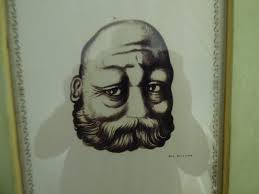
Turn It Upside Down
Turning something upside-down, whether physically or just by re-imagining it, can help you see new patterns.
The brain has pattern-making habits that may obscure other, more subtle patterns at work; changing the orientation of things can hide the more obvious patterns and make other patterns emerge.
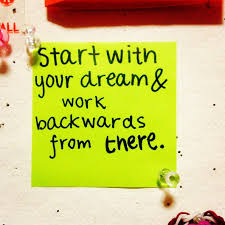
Work Backwards
Working backwards breaks the brain’s normal conception of causality. You can start with a goal and think back through the steps needed to reach it until you get to where you are right now.

Ask a Child For Advice
Children think and speak with ignorance of convention and that can be helpful.
Ask one how they might tackle a problem, or imagine how you might reformulate a problem so that a child could understand it.
Invite Randomness
Embrace mistakes and incorporate them into your projects. Developing strategies that allow for random input, working amid chaotic juxtapositions of sound and form – all of these can help to move beyond everyday patterns of thinking.