
How to Not Attribute to Malice Things Adequately Explained by Stupidity
Curated from: hackernoon.com
Ideas, facts & insights covering these topics:
9 ideas · 10.8K reads
“Never attribute to malice that which is adequately explained by stupidity”
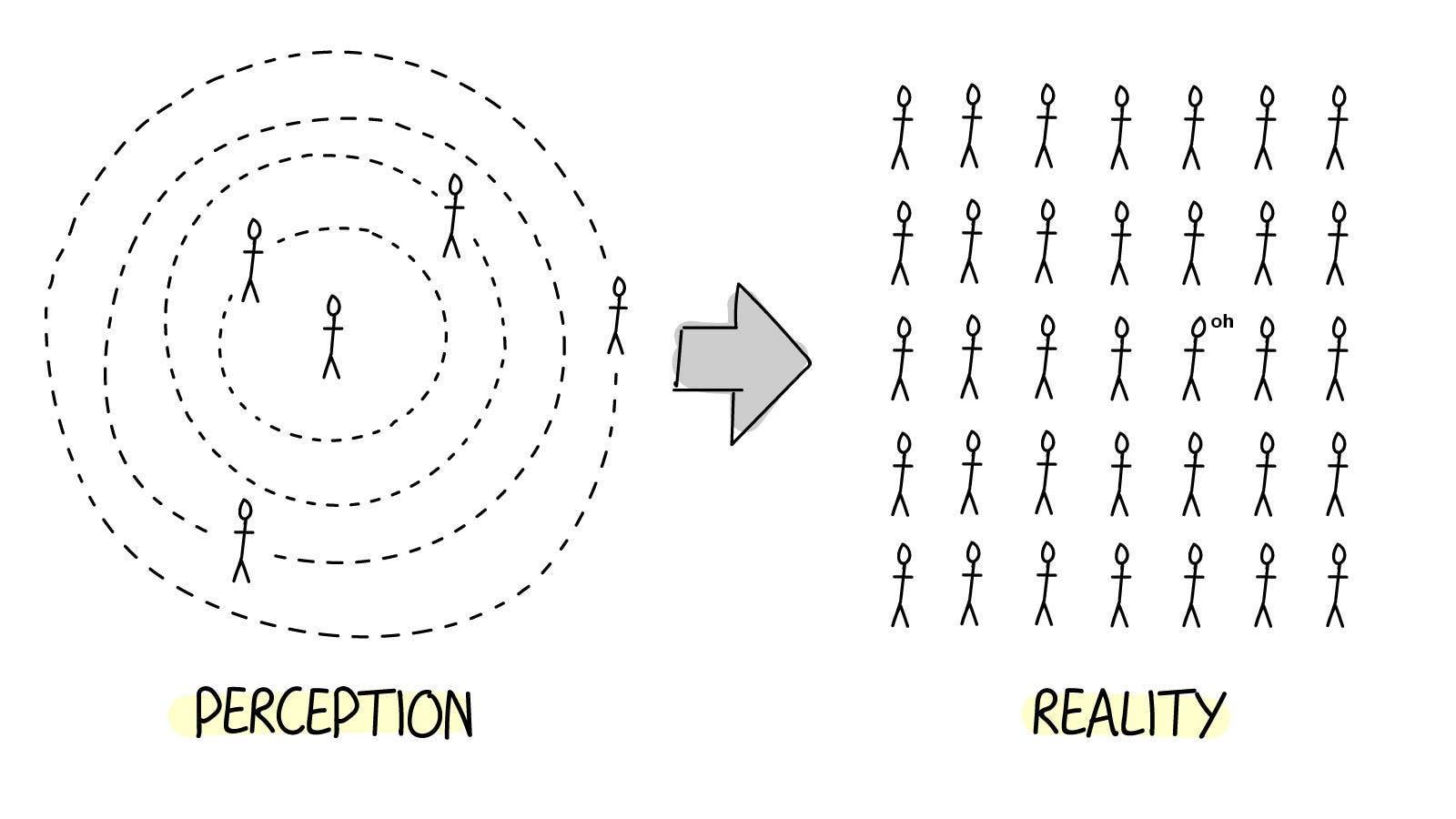
Hanlon’s Razor Explained
- We tend to associate completely disconnected events in a unique way, fitting them into our ‘story’, the narratives we build to create our distorted version of reality.
- The patterns we think exist may not actually do so, but that does not stop us from assuming negative intent or malice in all that happens around us.
- We need to realize that the world does not revolve around us and try to approach situations and events in a neutral, objective manner.
The Way To Apply Hanlon’s Razor
The basic rules that we need to apply:
- Move from assuming bad intentions towards exploring other causes.
- Engage in active communication.
- Embrace opportunities.
- Stay positive and driven.
- Stop blaming and focus on creative problem-solving.
- Assume a neutral, unbiased position.
Hanlon’s razor is a potent mental model which can be used in any situation where our first instinct is a negative assumption. Any wrong hypothesis related to the bad intentions of others is counterproductive and can play havoc in our lives.
Hanlon’s Razor: The Mental Model
Understanding Hanlon's razor results in a mindset shift, which enables us to view the entire scenario in a third person’s perspective, rather than being in the centre of the drama.
Something we assume is due to bad intentions of others may be just due to ignorance, incompetence, negligence, misunderstanding, laziness or any other probable cause. The negativity trap that our wrong assumptions create can shut all doors of communication. Negative experiences also have more mileage than positive ones.
Fundamental Attribution Error
Fundamental Attribution Error is when we pay too much attention to the personality of a person and ignore the content.
We need to shift the focus away from ‘who did/said that?’ and look at other causes/reasons.
Confirmation Bias
Confirmation Bias is a common fallacy where we feed our existing beliefs and refute any contradictory information.
These belief patterns, no matter how right they may seem, are not immune to error, and we need to make an effort to look beyond the boundaries.
The Availability Bias
Availability Bias is a mental shortcut that makes us form opinions or base our decisions related to recent information that is easy to recall.
We need to probe deeper and move towards better information gathering.
Hanlon’s Razor At The Workplace
- We need to deploy mental models at work, which provide us with a framework to expand our understanding and simplify complex matters, helping us make better decisions and handle stress and anxiety .
- Just be aware of the moments of anger or confusion, and reevaluate your assumption of doubting others of any wrongdoing due to the various biases inherent in our minds.
- Though it may seem like a conspiracy if one is denied promotion or worse, is fired, applying the awareness and objectivity of Hanlon’s razor can save us from unnecessary mental agony.
Hanlon’s Razor In Relationships
We usually assume the worst if we get hurt by the people we love and trust. The various biases in our minds (confirmation bias, fundamental attribution error, and availability bias) play havoc in our relationships.
Hanlon’s razor can shift our mind from an assumption of bad intentions by our loved ones, towards other possibilities, ensuring that we take steps to understand the situation, rather than reacting reflexively and then repenting.