"Who Am I?": The Ultimate Guide to Personal Values
 Curated from:
markmanson.net
Curated from:
markmanson.net
Ideas, facts & insights covering these topics:
8 ideas · 5.2K reads
Actions And Personal Values
At any moment, you are making a decision of how to spend your time, of what you direct your energy to. You are constantly evaluating which activity has more value to you and acting on it.
Our values are constantly reflected in the way we behave. And analyzing our actions is a good diagnosis tool, as we all have things we like to think we value but don’t back with actions.
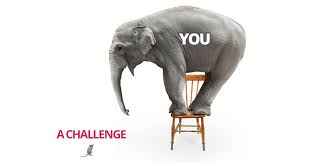
Personal Values And Avoidance
Many believe themselves to have desirable values to mask their actual values. Effectively turning aspiration into a form of avoidance, as they ignore reality in favor of a fantasy.
Our values are extensions of ourselves; they define us. A disconnect between our actions and emotions may make us delusional, about ourselves and the world.
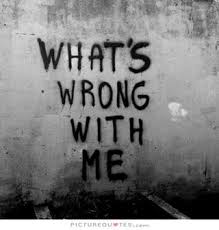
Self-Loathing And Self-Destruction
Self-loathers feel that they are morally inferior and that they should suffer to compensate for their own wretchedness. Alternately, those who love themselves avoid harming themselves and get satisfaction from taking care of themselves.
This love for self is crucially important, but in isolation it isn’t enough and makes us self-absorbed. We all need to value ourselves but also something above ourselves if we are to have purpose.

Personal Values And Identity
Your identity is composed of the sum of everything you value. Those who claim a need to “find themselves” mean they are reassessing their values; seeking a new identity. This need often comes from those under such high-pressure that they feel a loss of purpose and of control over their life.
By getting away from the pressures they face, they are able to recover a sense of control over the issues, gain perspective on them and question their decisions and priorities. That eventually leads to change that they may carry back to their everyday life.
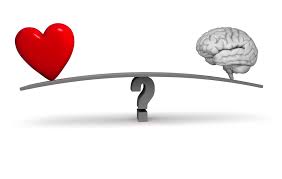
Evidence-Based Vs Emotion-Based Values
Research shows that most of us, often decide and act based on our feelings, instead of information. It also shows us that our feelings are generally self-centered, overly focused on short-term gains, and often warped or delusional.
Overly depending on our emotions to define our values is unreliable, unfulfilling and, sometimes, even damaging. To prevent that it’s enough to find a purpose that matters more than our feelings— something worth occasionally getting hurt for.

Constructive Vs Destructive Values
We don’t want to value things that harm ourselves or others. We do want to value things that enhance ourselves and others.
Most things are not clearly constructive or destructive, they need to be evaluated in context. What you value is often not as important as why you value it, and you must keep it in mind to prevent yourself from unintentionally adopting destructive values.
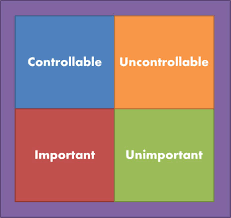
Controllable Vs Uncontrollable Values
When you value things that are outside your control, you essentially give up your life to that thing.
If you live for the sake of something outside your control and you lose it, you will lose your perceived purpose for living as well. So, you need values you can control, otherwise your values control you.
How To Reinvent Yourself
- Bring value failure: values are based on experience and often hard to alter with external emotional pressure or reason. Whether it’s by taking a value to its logical conclusion or confronting it with real world experiences, empathetically exposing someone to enough experiences contrary to their values is the best way to change them.
- Be self-aware: losing a value feels like we’re losing part of ourselves as they constitute our identity. So, instead of seeing it as unsuitable and adapting, the uncritical resist with rationalizations and denial, aggravating the issue.
- Replace values: replacing low-level, material values, with higher-level, abstract values will yield better problems and give you more control over life. For example: If making money is a primary value, then you’ll always seek it. But if personal freedom is a primary value, the value of money reduces as you accumulate it.
- Live the new value: embodying the new value solidifies it, as experience is its support. Determination is necessary to face our natural resistance to change and live a life contrary to our old values.
- Benefit from the new value: it feels good to put the effort into living new values. As the issues from inadequate values cease to affect you and you understand yourself better, it gets easier to continue living the new value.