Seven female scientists you may not have heard of
 Curated from:
www.bbc.com
Curated from:
www.bbc.com
Ideas, facts & insights covering these topics:
7 ideas · 811 reads
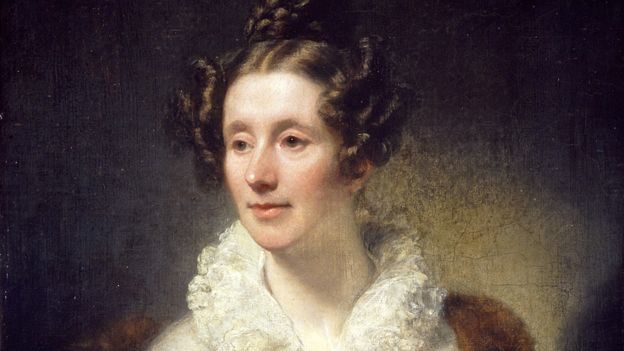
Astronomer Mary Somerville (1780 - 1872)
The Scottish astronomer’s research has proven essential to the discovery of Neptune. Furthermore, in 1835 she got the title of the first female member of the Royal Astronomical Society in London and she has been on the Royal Bank of Scotland’s notes for the last three years.
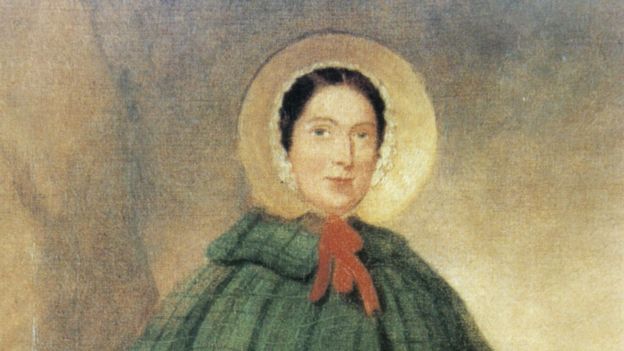
British paleontologist Mary Anning (1799 - 1847)
She made the fascinating discovery of what we call today the Jurassic remains, by finding an ancient reptile at a very young age.
Even though she did not receive recognition during her lifetime, she now bears the title of the ‘unsung hero of fossil discovery.’
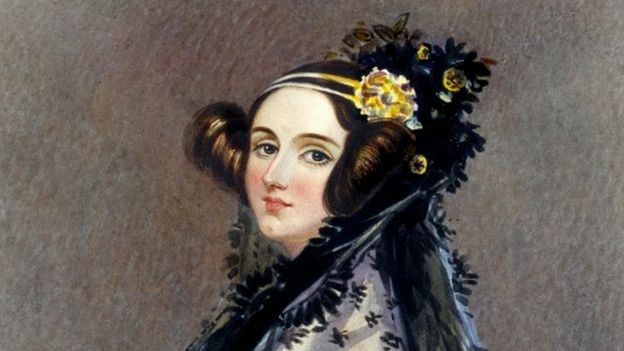
Ada Lovelace - Mathematician (1815 - 1852)
She is most famous for the creation of what is today known as ‘looping’- a method by which the computer programs repeat a series of instructions.
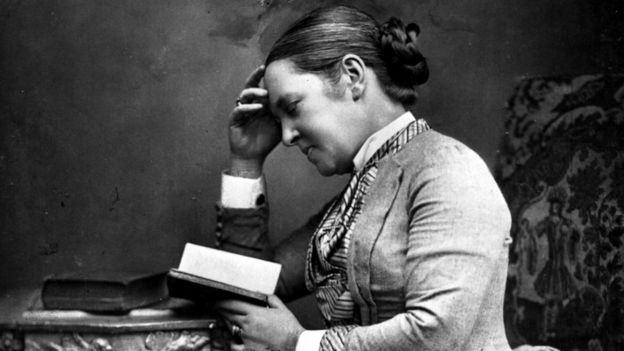
British doctor Elizabeth Garrett Anderson (1836 - 1917)
She was the very first female doctor in the UK, obtaining the right to participate in university courses after years of having observed and attended male medical students. Furthermore, she is also one of the co-founders of the London School of Medicine for Women and an activist for women’s right to vote.
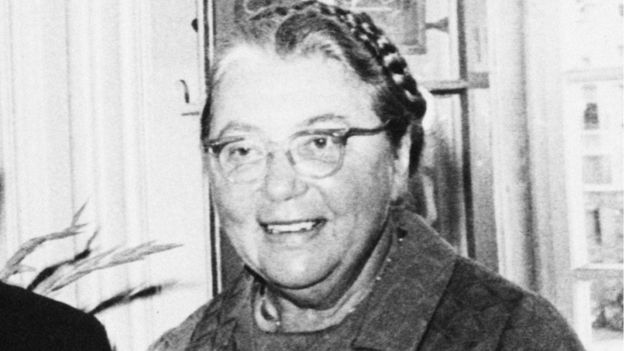
British dietician Elsie Widdowson (1906 - 2000)
She released the book The Chemical Composition of Foods, which describes the nutritional values of various foods. Moreover, she encouraged the addition of vitamins to food during wartime rationing.
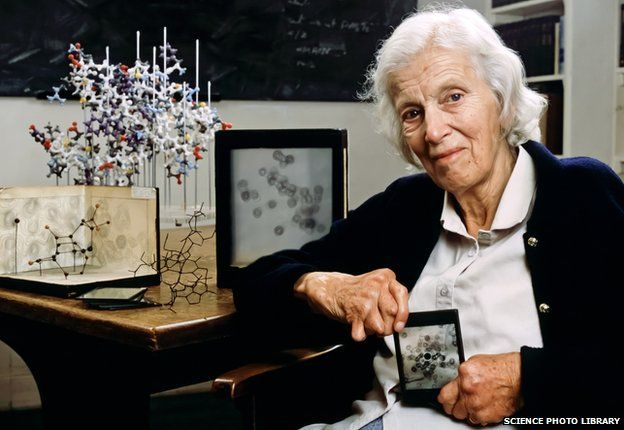
Dorothy Hodgkin - Chemist (1910 - 1994)
She is the only British woman to have won the Nobel Prize in Chemistry, after having discovered the structures of penicillin, insulin and vitamin B12.
More than that, she found herself as one of the chemistry lecturers of previous Prime Minister Margaret Thatcher at Somerville College and she was president of the Pugwash Conference for 12 years, an international organization that has as aim to evaluate the threats of nuclear weapons.
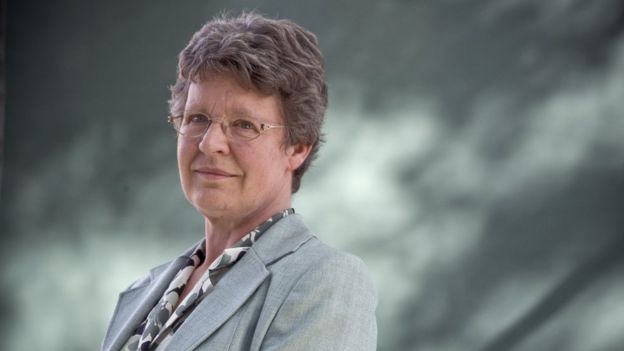
Astrophysicist Jocelyn Bell Burnell (1943 -)
She is most famous for the discovery of radio pulsars, which are the by-products of supernova explosions that allow the existence of life under all its forms.