
Charisma: What Is It and How You Can Become More Charismatic
Curated from: www.scienceofpeople.com
Ideas, facts & insights covering these topics:
10 ideas · 26.7K reads

Charisma: A Primer
Charisma is a magnetic attractiveness that inspires devotion in others, and is not an innate talent of the few.
It is a science that many can learn and cultivate in themselves by following a set of guidelines. Keep in mind that charisma does not mean perfection, and many seemingly awkward or average-looking men and women are in fact, extremely charismatic.
The Vulnerability Effect
When we admit our weakness, we are more human, likeable and authentic. This honest and imperfect person becomes charismatic, something known as the vulnerability effect.
While conducting a study of two women selling blenders at a mall, it was found that the ‘clumsy’ lady seller, who often forgot to close the lid and spilt smoothie on herself was considered more likeable and charismatic. The other more perfect woman who had a perfectly good presentation was not considered as charismatic.

Great Conversationalists Don’t Talk Much
Being a great conversationalist should normally mean speaking more right? Wrong! One has to maintain a 2:1 ratio of listening versus speaking, while we communicate.
Asking lots of follow up questions or examples, which makes the other person dig deeper, makes for a great conversation, and the person automatically feels that the listener is a great conversationalist and gets attracted on a subconscious level.
Essentially, one is deemed a great conversationalist and therefore charismatic, just by listening actively.
The Spontaneous Trait Transference
- When we speak negatively of other people, the same trait is subconsciously associated with us, something known as Spontaneous Trait Transference.
- Instead of gossiping (negative talk), one can try gushing (talking about positive qualities and stuff) and let those things be associated with themselves automatically.
- Speaking genuinely and praising others vividly (in a natural, real way) does wonders to one’s charisma.
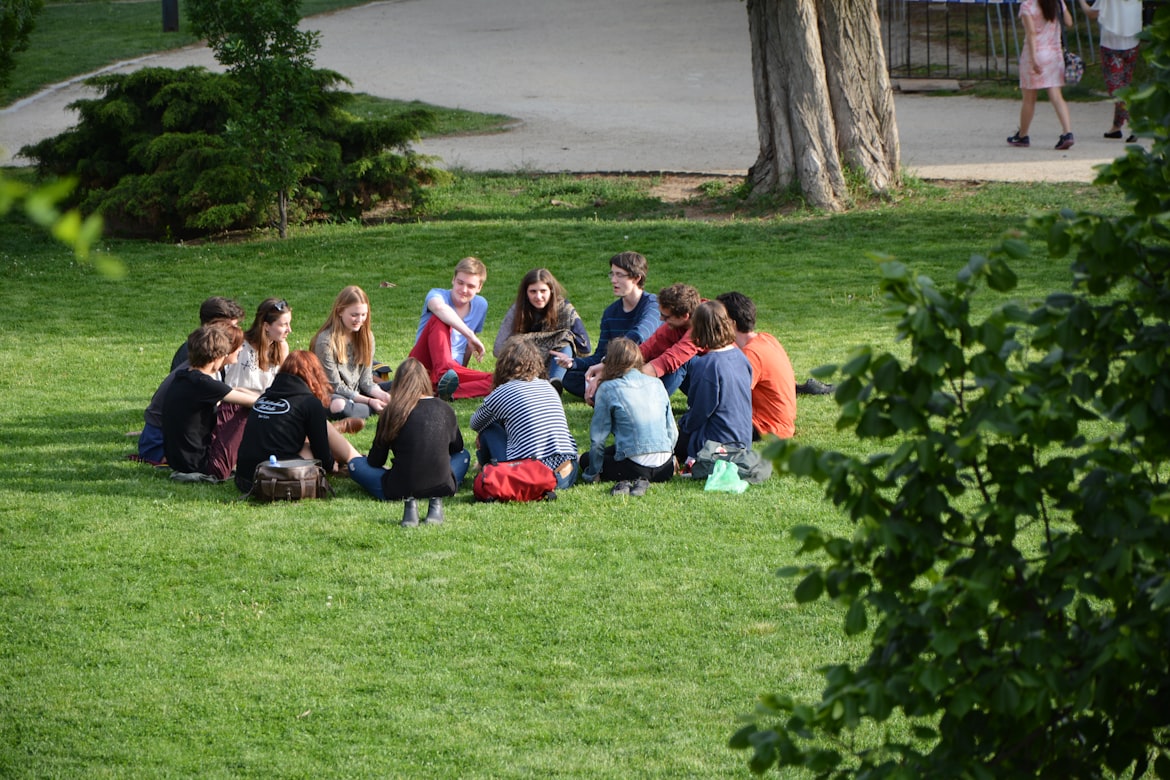
Take Charge Of The Conversation With Another Person
If you want to get along with people, you have to understand that like an onion, people have layers, and one has to peel the layers from them to reveal their real, amazing nature. No one is inherently boring.
You have to take responsibility, actively engage and delight the person. Example: The quiet person that no one talks to can be nurtured simply by listening with empathy and respect.
Give Yourself A Break
Don’t try to interact with people if you are not feeling your best, either emotionally, physically or mentally.
Instead of socializing due to an obligation, even though you are not at your 100 percent, it is better to be absent.

Competence Vs Warmth
- Competence-related skills: One can be highly competent, efficient, effective or commanding, being in the fear realm.
- Warmth-related skills: One can focus on being relatable, likeable, humble or pleasing, being in the love realm.
The takeaway here is to be competent and then be lovable, as both are crucial.
The Key Is To Be Likeable
It is a well-known fact that most people quit due to bad bosses. This includes all the super-geniuses who would have driven the company towards growth and prosperity but were sidelined or diminished by lousy, insecure bosses.
An extensive study on more than fifty thousand leaders showed that only one in 2000 leaders can be unlikeable and still be successful.
Teams having likeable leaders tend to be stable and flourishing. A likeable leader makes the team members step out of their comfort zone and give their best, without forcing anything.

Charismatic People Are Connectors
Social wealth is what charismatic people excel at. They go beyond just meeting new people or maintaining existing relations. They become connectors who introduce people with each other, knowing that they will ‘hit it’ well together.
Charismatic people are not selfish about their social wealth, but spread it in abundance, making them sought after among their friends.
Charisma And Infectious Optimism
Charismatic people keep up the motivational levels of their team members by being encouraging, optimistic and a bundle of energy and positivity.
They reward good work, give ample credit to others and give sincere compliments.