Use These 10 Tips to Improve Your Resilience
Curated from: www.verywellmind.com
Ideas, facts & insights covering these topics:
11 ideas · 7.4K reads
Resilience
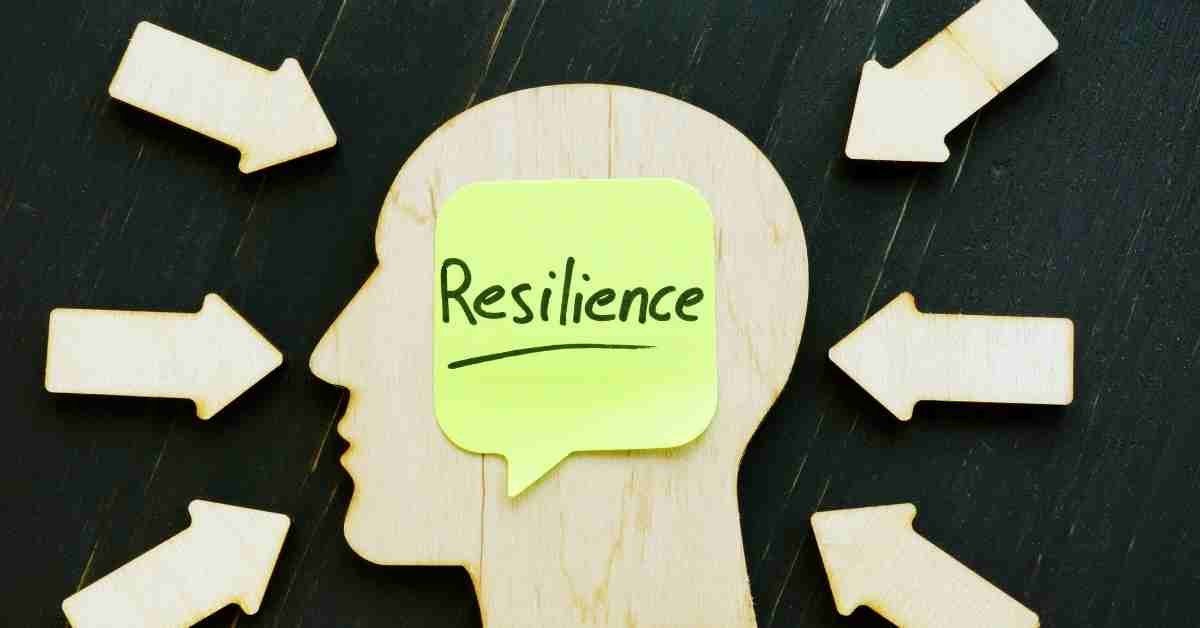
Resilience refers to how well you can deal with and bounce back from the difficulties in life.
- It can mean the difference between handling pressure and losing your cool. Resilient people tend to maintain a more positive outlook and cope with stress more effectively.
- Research has shown that while some people seem to come by resilience naturally, these behaviours can also be learned.
Whether you're going through a tough time now or you want to be prepared for the next one, here are 10 techniques you can focus on in order to foster your own resilience.
Check out the tips 💜

1. Find a sense of purpose
In the face of crisis or tragedy, finding a sense of purpose can play an important role in your recovery.
- This might mean becoming involved in your community, cultivating your spirituality, or participating in activities that are meaningful to you.
2. Believe in your abilities
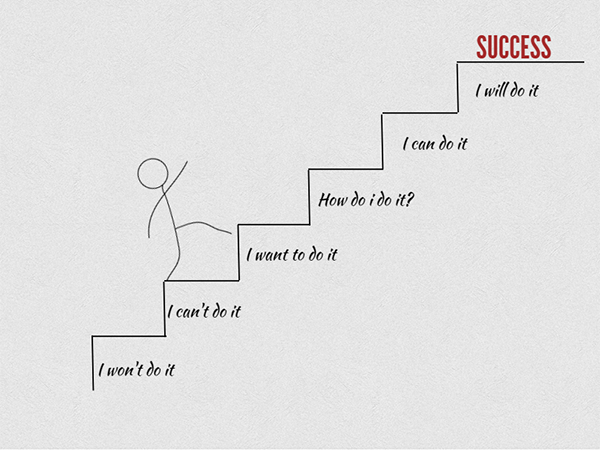
Having confidence in your own ability to cope with stresses of life can play an important part in resilience.
- Becoming more confident in your own abilities, including your ability to respond to and deal with a crisis, is a great way to build resilience for the future.
Listen for negative comments in your head. When you hear them, practice immediately replacing them with positive ones, such as, "I can do this," "I'm a great friend/mother/partner," or "I'm good at my job."
:max_bytes(150000):strip_icc():format(webp)/532030863-56a795385f9b58b7d0ebe881.jpg)
3. Develop a strong social network
It's important to have people you can confide in, Having caring, supportive people around you acts as a protective factor during times of crisis.
- While simply talking about a situation with a friend or loved one won't make your troubles go away, it allows you to share your feelings, get support, receive positive feedback, and come up with possible solutions to your problems.
:max_bytes(150000):strip_icc():format(webp)/GettyImages-1871565951-59bfc3e168e1a20014659851.jpg)
4. Embrace change
Flexibility is an essential part of resilience. By learning how to be more adaptable, you'll be better equipped to respond when faced with a life crisis.
- Resilient people often utilize these events as an opportunity to branch out in new directions. While some people may be crushed by abrupt changes, highly resilient individuals are able to adapt and thrive.
:max_bytes(150000):strip_icc():format(webp)/483141611-56a7953a5f9b58b7d0ebe891.jpg)
5. Be optimistic
Staying optimistic during dark periods can be difficult, but maintaining a hopeful outlook is an important part of resiliency. What you are dealing with may be difficult, but it's important to remain hopeful and positive about a brighter future.
- Positive thinking does not mean ignoring the problem in order to focus on positive outcomes. It means understanding that setbacks are temporary and that you have the skills and abilities to combat the challenges you face.
:max_bytes(150000):strip_icc():format(webp)/GettyImages-1074270532-61bd21d07ba24a6f98976224162ea695.jpg)
6. Nurture yourself
When you're stressed, it can be all to easy to neglect you own needs. lsoing your appetite, ignoring exercise, and not getting enough sleep are all common reactions to a crisis situiation.
- Instead, focus on building self-nurturance skills, even when you are troubled. make time for activities that you enjoy.
By taking care of your own needs, you can boost your overall health and resilience and be fully ready to face life's challenges.
:max_bytes(150000):strip_icc():format(webp)/450770957-56a795403df78cf772975cea.jpg)
7. Develop problem-solving skills
Research suggests that people who are able to come up with solutions are better able to cope with problems than those who cannot.
- Whenever you encounter a new challenge, make a quick list of some of the potential ways you could solve the problem.
Experiment with different strategies and focus on developing a logical way to work through common problems. By practising your problem-solving skills on a regular basis, you will be better prepared to cope when a serious challenge emerges.
:max_bytes(150000):strip_icc():format(webp)/fitness-918789438-5bbe827cc9e77c00515e5314.jpg)
9. Take action
Simply waiting for a problem to go away on its own only prolongs the crisis. Instead, start working on resolving the issue immediately. While there may not be any fast or simple solution, you can take steps toward making your situation better and less stressful.
- Focus on the progress that you have made thus far and planning your next steps, rather than becoming discouraged by the amount of work that still needs to be accomplished.
Actively working on solutions will also help you feel more in control.
:max_bytes(150000):strip_icc():format(webp)/businessman-working-in-a-new-office-1132121143-9f21c655c8854c76a1b236637349457b.jpg)
10. Keep working on your skills
Resielience may take time to build, so don't get discouraged if you still struggle to cope with problematic events.
- Everyone can learn to be resilient and it doesn't involve any specific set of behaviors or actions. Resilience can vary dramatically from one person to the next.
Focus on practicing these skills, as well as the common characteristics of resilient people, but also remember to build on your existing strengths.
:max_bytes(150000):strip_icc():format(webp)/GettyImages-934865830-5c86878b46e0fb0001336536.jpg)
8. Establish goals
Crisis situations are daunting. They may even seem insurmountable. Resilient people are able to view these situations in a realistic way and then set reasonable goals to deal with the problem.
- When you find yourself becoming overwhelmed by a situation, take a step back to simply assess what is before you.
- Brainstorm possible solutions, and then break them down into manageable steps.