
Vedas - Wikipedia
 Curated from:
en.wikipedia.org
Curated from:
en.wikipedia.org
Ideas, facts & insights covering these topics:
5 ideas · 28 reads
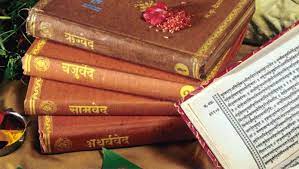
The Veda - essence of ancient India
The Vedas are a large body of religious texts originating in ancient India. Composed in Vedic Sanskrit, the texts constitute the oldest layer of Sanskrit literature and the oldest scriptures of Hinduism. Vedas are śruti distinguishing them from other religious texts, which are called smṛti ("what is remembered"). Hindus consider the Vedas to be apauruṣeya, which means "not of a man, superhuman" and "impersonal, authorless, of sacred sounds and texts heard by ancient sages after intense meditation
There are four Vedas: the Rigveda, the Yajurveda, the Samaveda and the Atharvaveda.[
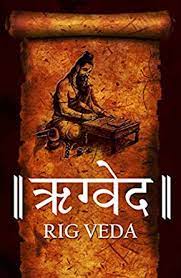
Rigveda
- The Rigveda Samhita is the oldest extant Indic text.It is a collection of 1,028 Vedic Sanskrit hymns and 10,600 verses in all, organized into ten books
- The Rigveda is structured based on clear principles. The Veda begins with a small book addressed to Agni, Indra, Soma and other gods,
- The books were composed by poets from different priestly groups over a period of several centuries between c. 1500 and 1200 BC.
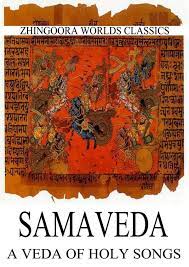
Samaveda
- The Samaveda Samhita consists of 1549 stanzas, taken almost entirely (except for 75 mantras) from the Rigveda.While its earliest parts are believed to date from as early as the Rigvedic period, the existing compilation dates from the post-Rigvedic Mantra period of Vedic Sanskrit, between c. 1200 and 1000 BCE or "slightly later," roughly contemporary with the Atharvaveda and the Yajurveda
- The Samaveda samhita has two major parts. The first part includes four melody collections (gāna, गान) and the second part three verse “books”
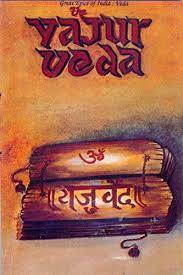
Yajurveda
- It is a compilation of ritual offering formulas that were said by a priest while an individual performed ritual actions.
- There are two major groups of texts in this Veda: the "Black" (Krishna) and the "White" (Shukla). The term "black" implies "the un-arranged, motley collection" of verses in Yajurveda, in contrast to the "white" (well arranged) Yajurveda The White Yajurveda separates the Samhita from its Brahmana . Of the Black Yajurveda, texts from four major schools have survived (Maitrayani, Katha, Kapisthala-Katha, Taittiriya), while of the White Yajurveda, two (Kanva and Madhyandina)
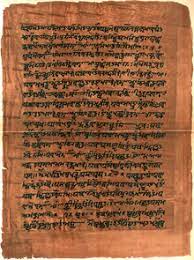
Atharvaveda
- The Artharvaveda Samhita is the text 'belonging to the Atharvan and Angirasa poets
- The Atharvaveda is sometimes called the "Veda of magical formulas", The Samhita layer of the text likely represents a developing 2nd millennium BCE tradition of magico-religious rites to address superstitious anxiety, spells to remove maladies believed to be caused by demons, and herbs- and nature-derived potions as medicine
- The text states Kenneth Zysk, is one of oldest surviving record of the evolutionary practices in religious medicine and reveals the "earliest forms of folk healing of Indo-European antiquity"