How to Read Body Language and Facial Expressions
Curated from: www.verywellmind.com
Ideas, facts & insights covering these topics:
5 ideas · 11.6K reads

Eye signals
- Eye gaze: Directly eye contact indicates interest and paying attention. Prolonged eye contact can feel threatening.
- Blinking: People often blink more rapidly when they are feeling distressed or uncomfortable.
- Pupil size: Highly dilated eyes, for example, can indicate that a person is interested or even aroused.
3.3K reads

Lip signals
- Pursed lips: an indicator of distaste, disapproval, or distrust.
- Lip biting: signals people are worried, anxious, or stressed.
- Covering the mouth: used when people want to hide an emotional reaction.
- Turned up or down: When the mouth is slightly turned up, it might mean that the person is feeling happy or optimistic. A slightly down-turned mouth can be an indicator of sadness/ disapproval.
2.5K reads
Gestures
- A clenched fist indicates anger in some situations or solidarity in others.
- A thumbs up and thumbs down: gestures of approval and disapproval.
- The "okay" gesture: "okay" or "all right." In some parts of Europe, the same signal is used to imply you are nothing. In some South American countries, the symbol is actually a vulgar gesture.
- The V sign: peace or victory in some countries. In the UK and Australia, the symbol takes on an offensive meaning when the back of the hand is facing outward.
1.8K reads
Arms and legs
- Crossed arms: a person feels defensive, self-protective, or closed-off.
- Standing with hands placed on the hips: an indication that a person is ready and in control, or is a sign of aggressiveness.
- Clasping the hands behind the back: might indicate bored, anxiety, or even anger.
- Rapidly tapping fingers or fidgeting can be a sign that of boredom, impatience or frustration.
- Crossed legs can indicate that a person is feeling closed off or in need of privacy.
2K reads
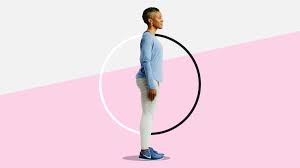
Posture
- Open posture involves keeping the trunk of the body open and exposed. This type of posture indicates friendliness, openness, and willingness.
- Closed posture involves hiding the trunk of the body often by hunching forward and keeping the arms and legs crossed. This type of posture can be an indicator of hostility, unfriendliness, and anxiety.
2.1K reads