Bullet Journaling for Beginners (and Impatient, Unartistic People Like Me)
 Curated from:
medium.com
Curated from:
medium.com
Ideas, facts & insights covering these topics:
4 ideas · 12.9K reads
Adjust Your Mindset
Your first notebook will be your learning notebook. Like any productivity method, it will take time to find a bullet journaling flow and structure that works for you.
Any creative endeavor involves letting go of perfection. Bullet journaling is no different. Make a mess.
3.6K reads
The first steps
- Get a Journal and Writing Utensils
- Start an Index Page: The backbone of your BuJo system, like a table of contents in a book
- Create Logs - places where you can brain-dump tasks, projects, goals
- Pick Signifiers: Many people use bullets for lists of tasks, circles for events, and dashes for notes.
- Document Items with Collections: Collections are running lists and anything you want to remember for later(like blog topics, books you want to read etc.)
3K reads
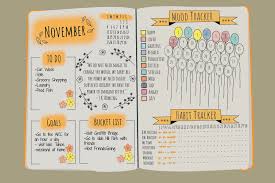
The 3 common types of logs:
- A future log helps you keep track of items that aren’t yet on your immediate radar.
- Monthly logs include things like calendars and categorized goal lists for the next 30 days.
- Daily logs may includes entries of to-dos, meetings, and reminders.
3K reads
Benefits of Bullet Journals
- It frees up mental space so you can think more clearly and concentrate better.
- Better retention. Writing by hand engages multiple senses (visual, kinesthetic, and tactical ) which helps commit tasks to memory. It also signals to your brain that your goals are important, making you more likely to follow through.
- Psychologically speaking, bullet journaling is more powerful than other paper-planning methods because it’s also a life record and a place for reflection.
3.3K reads