Rules for Staying Productive Long-Term
 Curated from:
www.scotthyoung.com
Curated from:
www.scotthyoung.com
Ideas, facts & insights covering these topics:
8 ideas · 16K reads
Using a productivity system
The idea of a productivity system is to organize the stuff you need to do.
There are many systems out there. But you may have no idea which system to pick. You may start well, but the system you've chosen may begin to choke you because it doesn't fit quite right. Eventually, you may slack off and abandon it. These problems can be avoided if you understand the reason behind the system and its limitations.
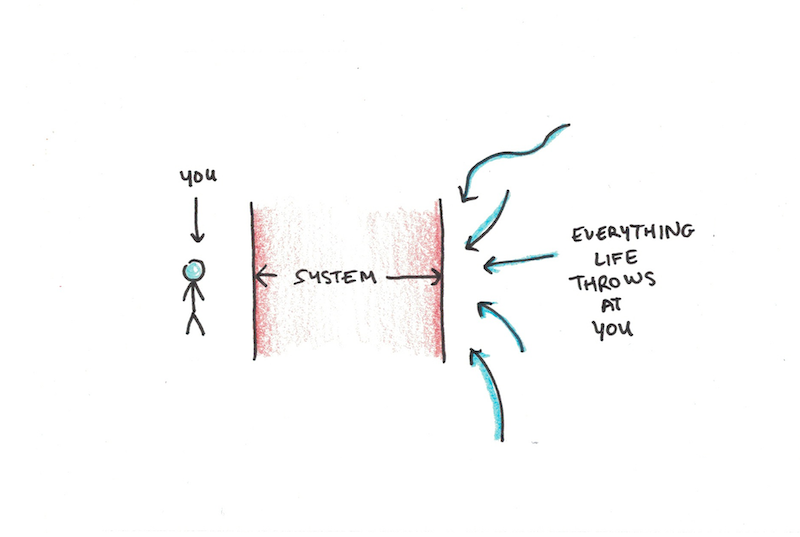
The purpose of using a system
There are only three different kinds of systems:
- The system of other people: You respond to the time pressures of other people.
- The system of feelings and moods: You might work a lot when you feel creative.
- A system of your own design: Moods and outside pressures still matter, but they're not the only guiding factor on what to do.
Building a habit of a productivity system is about creating a buffer between you and your temporary emotions or external pressures.
Your system needs to fit your work
Any system is designed using a particular set of assumptions about your work. The assumptions need to fit your situation.
For instance, the weekly/daily goals system works well when you have a number of concrete tasks to complete. But if your tasks are open-ended or contain only one task, then the system doesn't fit the task.
Counterbalance your worst tendencies
Your productivity system should counterbalance your worst tendencies.
- Fixed-schedule productivity corrects the tendency to work overtime constantly.
- Maintaining deep work hours is used to keep you focused on meaningful work.
- The most important task method works when you have a few difficult tasks that you need to prioritize.
- The Quadrant systems focus on important over urgent tasks.
- The Pomodoro system assumes you are procrastinating because the problem feels too big to get started. This system gets you to focus on the next chunk, not on the entire project.
Dealing with exceptions
Every system will create situations where it no longer makes sense to follow its guidelines. Then one should find a way of handling the exceptions without losing track of the original system.
- Ask if the exception to the basic rules helps you to buffer against an unproductive tendency.
- If the exception is made into a new rule, will it support the system you're trying to create?
The productivity "feeling"
A good productivity system should be productive, not just feel productive. A good productivity system that is working effectively should not feel like anything. It should just be holding up your routine.
- Feelings are not an absolute measurement. Relying on feeling productive creates a situation where if you don't feel productive, you feel like a failure.
- The feeling of productivity is often tied to a feeling of exertion.
Measuring against your baseline
When you're evaluating a productivity system, the right measurement to make is to find out if you're getting more done than you did last week/month/year.
Don't compare yourself against a theoretical possibility. Instead, compare yourself against your own past results.
Systems cannot give meaning
A system shapes your existing motivations. It cannot give you motivation.
Many failures of productivity are a deeper problem of meaning and mission in life. People that tend to succeed with productivity systems already have meaning.