Trigger of Aging Discovered – May be Reversed by Simple Supplement
Curated from: scitechdaily.com
Ideas, facts & insights covering these topics:
5 ideas · 1.5K reads
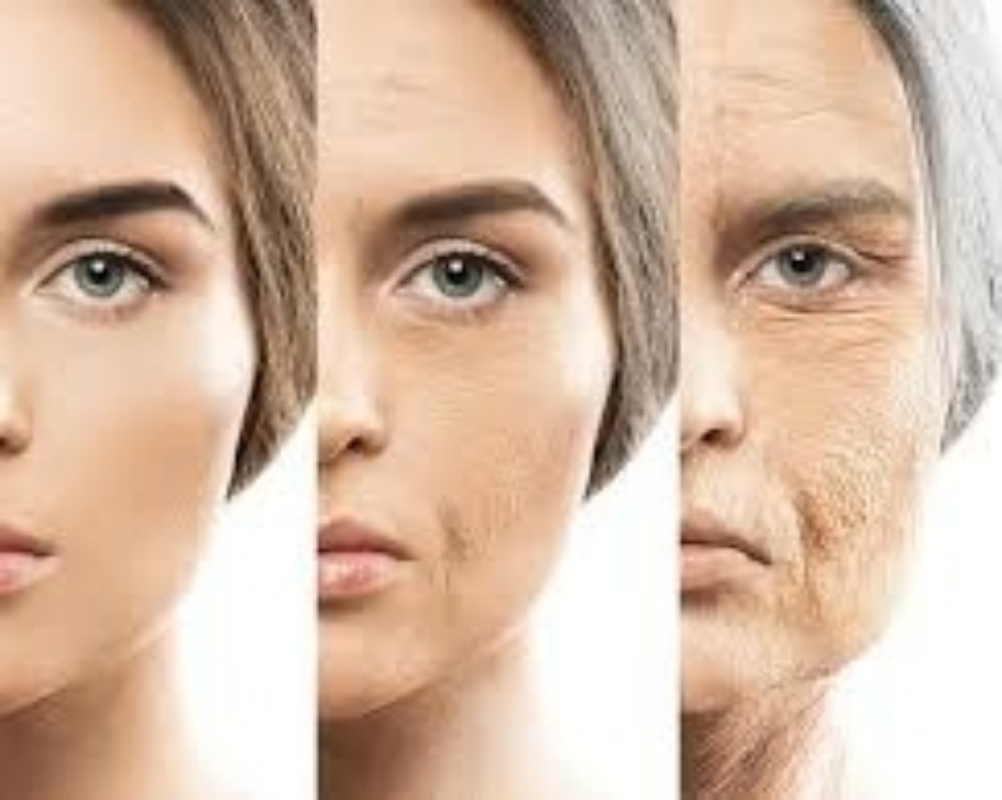
The role of the hypothalamus in aging
Xiamen University's PLOS Biology by Dr. Lige Leng recently discovered the role of the hypothalamus in physiological aging, through an increase in the process of neuroinflammatory signaling over time. Inflammation promotes multiple age-related processes, both in the brain and the periphery.
The hypothalamus is the seat of all emotions (not your heart) and is important for many aspects of healthy aging, including metabolic and cognitive health, the stress response, and maintenance of circadian rhythms.
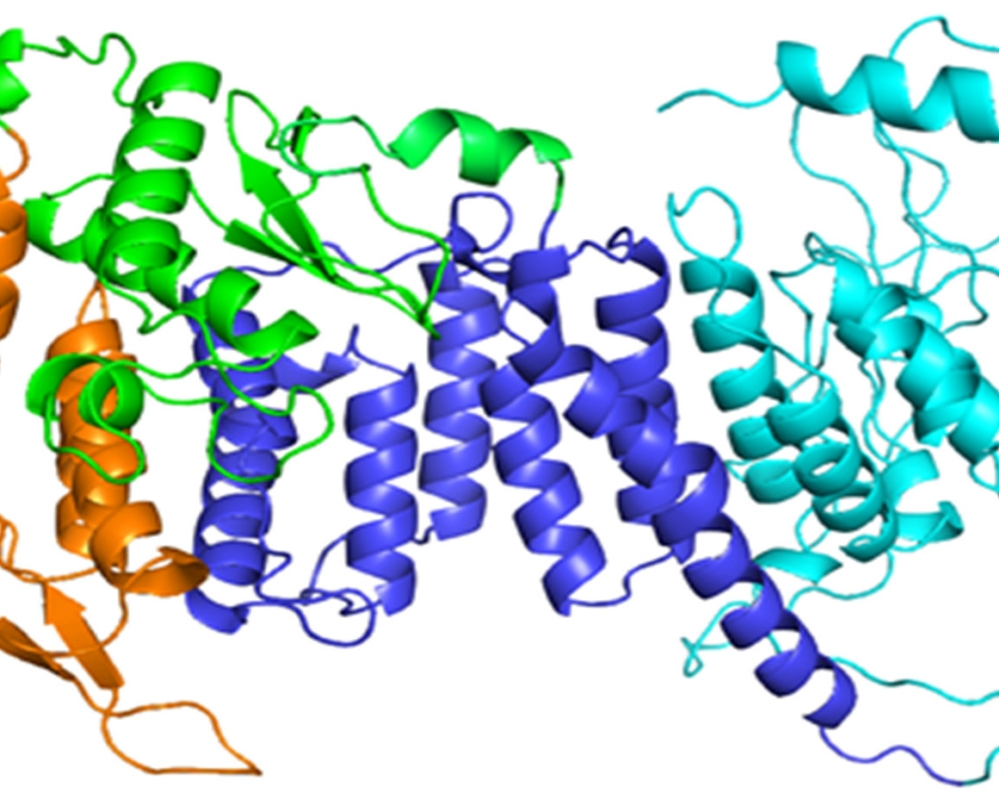
Hypothalamic hormone menin as an inhibitor of aging
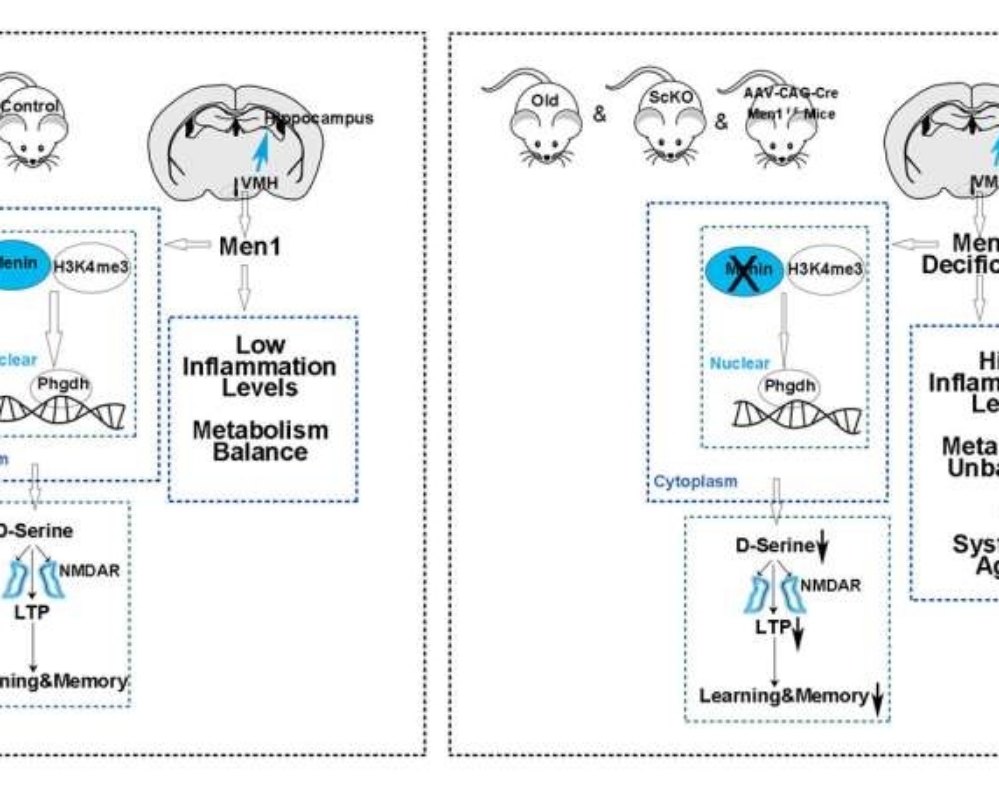
Studies show that Menin, a hypothalamic protein, is a key inhibitor of hypothalamic neuroinflammation. As levels of menin decrease, the hypothalamus experiences an increase in neuroinflammation that promotes metabolic and cognitive disorders that occur with aging such as eductions in bone mass and skin thickness, cognitive decline, and modestly reduced lifespan.
D-serin to reverse aging
Another effect of the loss of Menin is the decline in levels of the amino acid D-serine, an enzyme required in the production of neurotransmitters and the communication between neurons to maintain optimal brain function.
The authors showed this decline was due to loss of activity of an enzyme involved in its synthesis (which was in turn regulated by Menin).
Could reversing age-related Menin loss also reverse signs of physiological aging?
D-serin reversed physiological aging in mice
To test that, the authors delivered the gene for Menin into the hypothalamus of elderly (20-month-old) mice. 30 days later, they found improvements in skin thickness and bone mass, learning, cognition, and balance, which correlated with an increase in D-serine within the hippocampus.
Remarkably, similar benefits on cognition, (but not on the peripheral signs of aging) could be achieved by 3 weeks of dietary supplementation with D-serine.
Promising therapy for cognitive decline
There is much left to be learned about Menin’s role in aging, the researchers are speculating that supplements of menin and the amino acid D-serine could potentially reverse aspects of aging in humans.