The Art Of Happiness Summary
 Curated from:
fourminutebooks.com
Curated from:
fourminutebooks.com
Ideas, facts & insights covering these topics:
11 ideas · 5.4K reads
The Art Of Happiness - Book Summary (Dalai Lama Teachings
The Art Of Happiness is the result of a psychiatrist interviewing the Dalai Lama on how he personally achieved inner peace, calmness, and happiness.
Top 3 Book Lessons
- You don’t have to be religious, to be spiritual.
- The only constant thing is change.
- Know your limits.
Let’s examine them a bit further.
Lesson 1: You don’t have to be religious, to be spiritual.
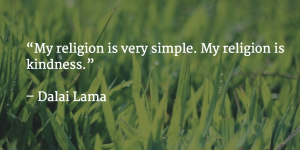
The Dalai Lama says it doesn’t matter which religion you belong to, or whether you belong to any, for that matter.
He believes in basic spirituality , being compassionate, a good person, and caring for one another.
We each have our own way of dealing with suffering, and none of them are right or wrong.
Ask yourself: What does being spiritual mean to you?
And then don’t let anyone tell you you’re wrong .
Lesson 2: The only constant thing is change.
When asked about suffering, the Dalai Lama shares a big mistake we “Westerners” make: thinking it’s unnatural.
Suffering is a part of life, he says, but by rejecting that we make ourselves into victims and start assigning blame, when there really is none to be assigned.
The only constant thing is change.
As contradictory as it may sound, it means we have to learn to let go.
Resistance to change leads to suffering . As a matter of fact, it is the root cause of suffering.
Once you accept the change, you can openly address it, find the meaning in it, and learn from it.
You can bitch and moan about slamming your car door and hurting your hand, yell at the cashier for being too slow, or cry for hours after a loved one dies.
But the second you accept the change, that’s when progress happens. It’s when you calm down and turn the situation around. And that’s the path to happiness .
Lesson 3: Know your limits.
There are a lot of different approaches to building confidence, most of them based on challenging yourself (including mine ).
The Dalai Lama has a great alternative point of view here. He says to know your limits.
Be honest with yourself and others about what you can and cannot do. If you’re okay with not knowing everything, then you can openly admit it, and won’t feel like a fraud.
So rather than building confidence from the outside, build confidence from the inside , by allowing yourself to be honest.
And if you don’t understand something, try this. Say “I don’t understand.” People will explain again.
Being okay with your limits, however, means knowing what they are in advance, and that requires self-awareness .
So do an audit on yourself. What are you really good at? What do you suck at?
Go all in on those strengths, and be honest with yourself and the world around you.
Who would I recommend The Art Of Happiness to?
The 12 year old, who’s being teased about being religious in school, the 37 year old big city mum, who feels she needs a break from Western society, and anyone who just lost a loved one.


