The Four Desires Driving All Human Behavior: Bertrand Russell's Magnificent Nobel Prize Acceptance Speech
 Curated from:
www.brainpickings.org
Curated from:
www.brainpickings.org
Ideas, facts & insights covering these topics:
7 ideas · 3K reads
Infinite desires
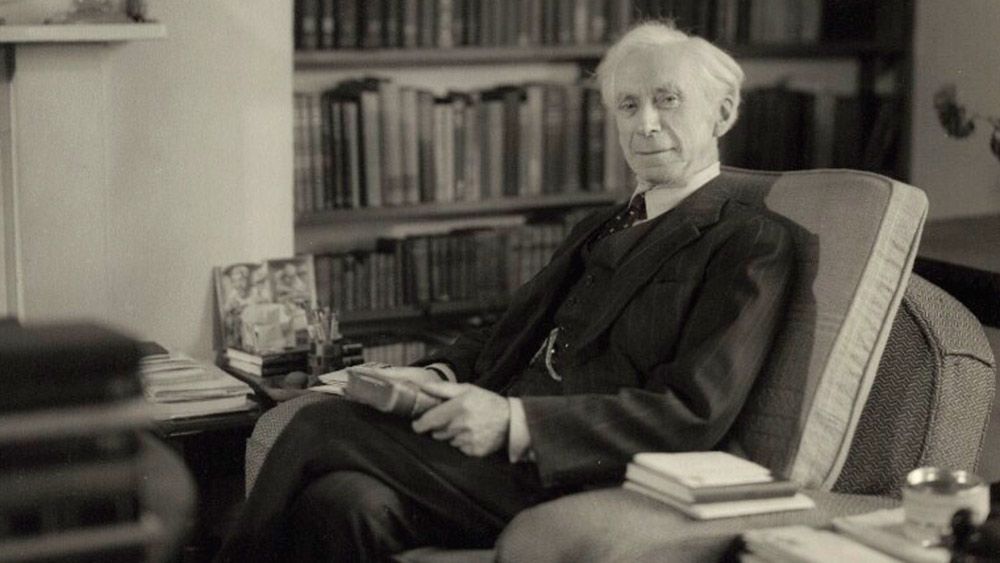
Bertrand Russell, at his Nobel Prize Acceptance Speech, pointed out that all human activity is prompted by desire. If you want to know what man will do, you must know the whole system of their desires with their relative strengths.
Humans have some infinite desires, which can never be fully gratified. The four endless desires are acquisitiveness, rivalry, vanity, and love of power.
Acquisitiveness
Acquisitiveness is the desire to possess as much as possible of goods, or the title of goods.
Regardless of how much you acquire, you will always wish for more.
Rivalry
Many men will happily face impoverishment if they can thereby manage to ruin their rivals.
Vanity
People desire to be admired. Vanity needs glory for its satisfaction.
Even from childhood, children are always performing some antic, and demand to be looked at.
The love of power
Power is insatiable: the vice of energetic men and the strongest drive in the lives of important men. The more power is experienced, the greater the love of power.
In an autocratic regime, the holders of power become more tyrannical when they experience the delights that power brings. The man who moves from the love of power is more willing to inflict pain than to permit pleasure.
Love of power is not always negative
From the need to dominate the unknown comes the desires like the pursuit of knowledge and all scientific progress.
How you use this power depends upon the social system and your abilities.
The love of excitement
The desire to escape from boredom is very powerful to almost all human beings.
But a great deal of modern work is sedentary so we most find other means to use our physical energy that produces love of excitement. And nothing is more exciting than a moment of sudden discovery or invention.


