
Mardi Gras - HISTORY
 Curated from:
www.history.com
Curated from:
www.history.com
Ideas, facts & insights covering these topics:
5 ideas · 659 reads
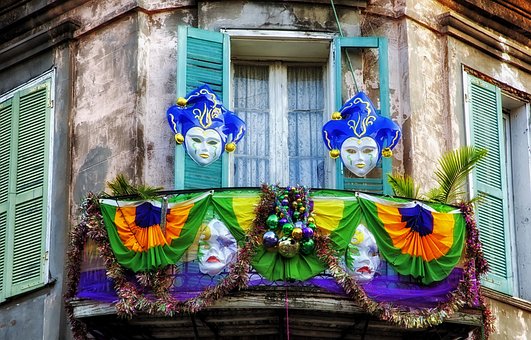
The Mardi Gras Festival
- Mardi Gras is a Christian holiday celebrated in many countries around the world - mostly those with large Roman Catholic populations.
- Mardi Gras dates back thousands of years to pagan spring and fertility rites.
- It is celebrated on the Tuesday before the start of Lent.
Mardi Gras Incorporated Into Christianity
When Christianity arrived in Rome, religious leaders decided to incorporate the pagan celebrations of spring and fertility into the new faith. This was an easier task than to abolish them altogether.
Consequently, the excess and debauchery of Mardi Gras season became a prelude to Lent - the 40 days of fasting and penance between Ash Wednesday and Easter Sunday.
Mardi Gras Meaning
Mardi is the French word for "Tuesday", and gras means "fat." Traditionally, merrymakers would binge on all the rich, fatty foods that remained in their homes before entering Lent.
The word carnival is a common name for the pre-Lenten festivities. In Medieval Latin carnelevarium means to remove meat, from the Latin carnem for meat.
The American Mardi Gras
On March 3, 1699, French explorers landed near present-day New Orleans, Louisiana. They held a small celebration and named their landing spot Point du Mardi Gras.
In the following decades, New Orleans and other French settlements began marking the holiday with street parties, masked balls and lavish dinners. The rowdy rituals were banned when the Spanish took control of New Orleans but continued again after Louisiana became a U.S. state in 1812. To this day, Mardi Gras is a legal holiday in Louisiana.
Mardi Gras Around the World
- In Brazil, the weeklong Carnival festivities show colourful European, African and native traditions.
- In Canada, Quebec City hosts the Quebec Winter Carnival.
- In Italy, Venice's Carnevale is famous for its masquerade balls.
- The German celebration, known as Karneval, Fastnacht or Fasching, includes parades, costume balls, and a tradition that empowers women to cut off men's ties.
- Denmark's Fastevlan let children dress up and gather candy.


