
5 Teachings From The Japanese Wabi-Sabi Philosophy That Can Drastically Improve Your Life — OMAR ITANI
Curated from: www.omaritani.com
Ideas, facts & insights covering these topics:
8 ideas · 3.8K reads
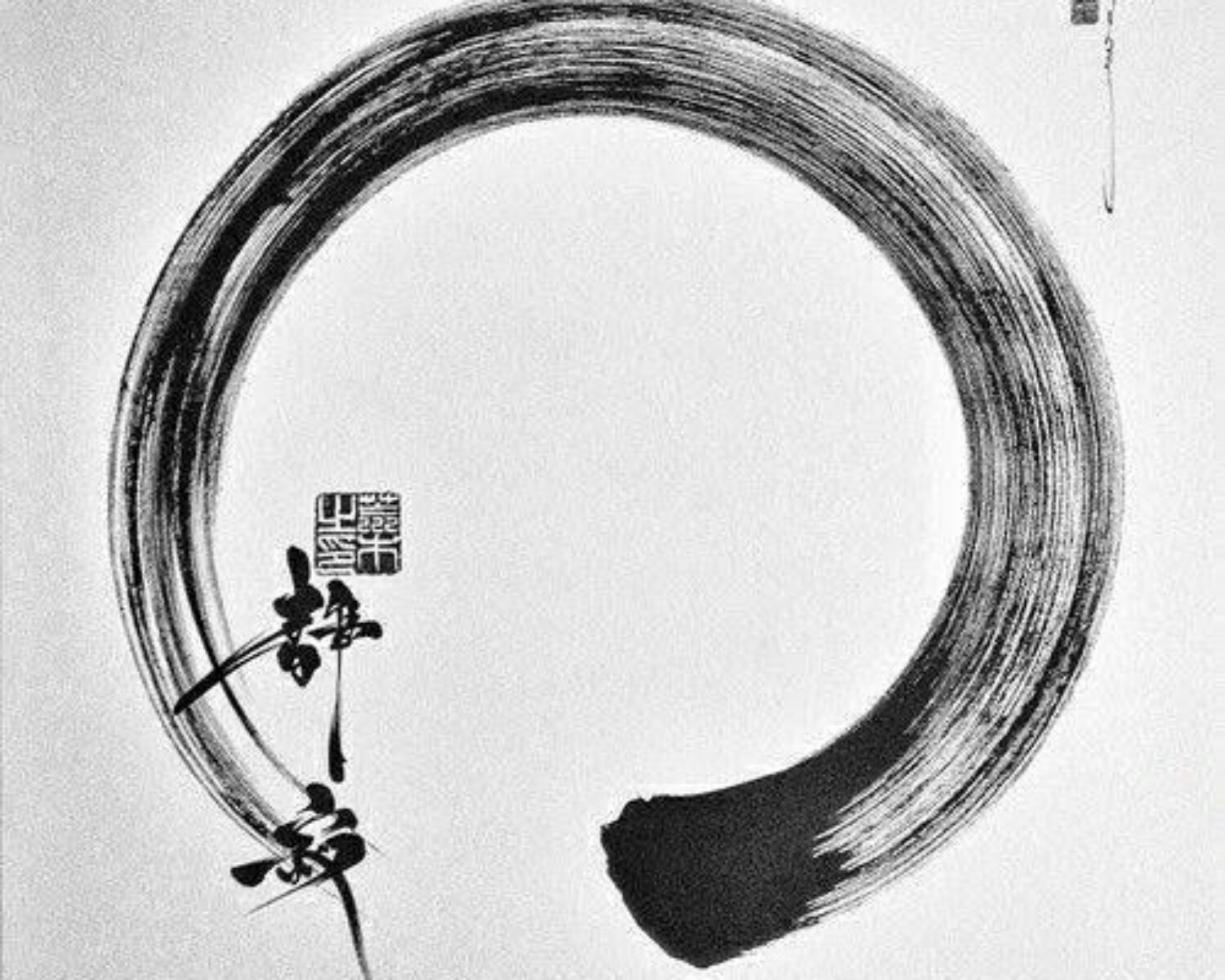
Philosophy of wabi sabi
Wabi-sabi is an elegant philosophy that denotes a more connected way of living—a lifestyle, where we are deeply connected to nature, and thus, better helps us to connect to our truest inner-selves.
Wabi-sabi is a concept that motions us to constantly search for the beauty in imperfection and accept the more natural cycle of life.
It is an elegant reminder that all things including us and life itself, are impermanent, incomplete, and imperfect. Perfection, then, is impossible and impermanence is the only way.

Individual concept of wabi sabi:
- Wabi is about recognizing beauty in humble simplicity. ~detach from the vanity of materialism so we can experience spiritual richness instead~
- Sabi is concerned with the passage of time, the way all things grow, age, and decay, and how it manifests itself beautifully in objects.
Together, these two create the philosopical approach-
Accept what is, stay in the present moment, and appreciate the simple, transient stages of life.
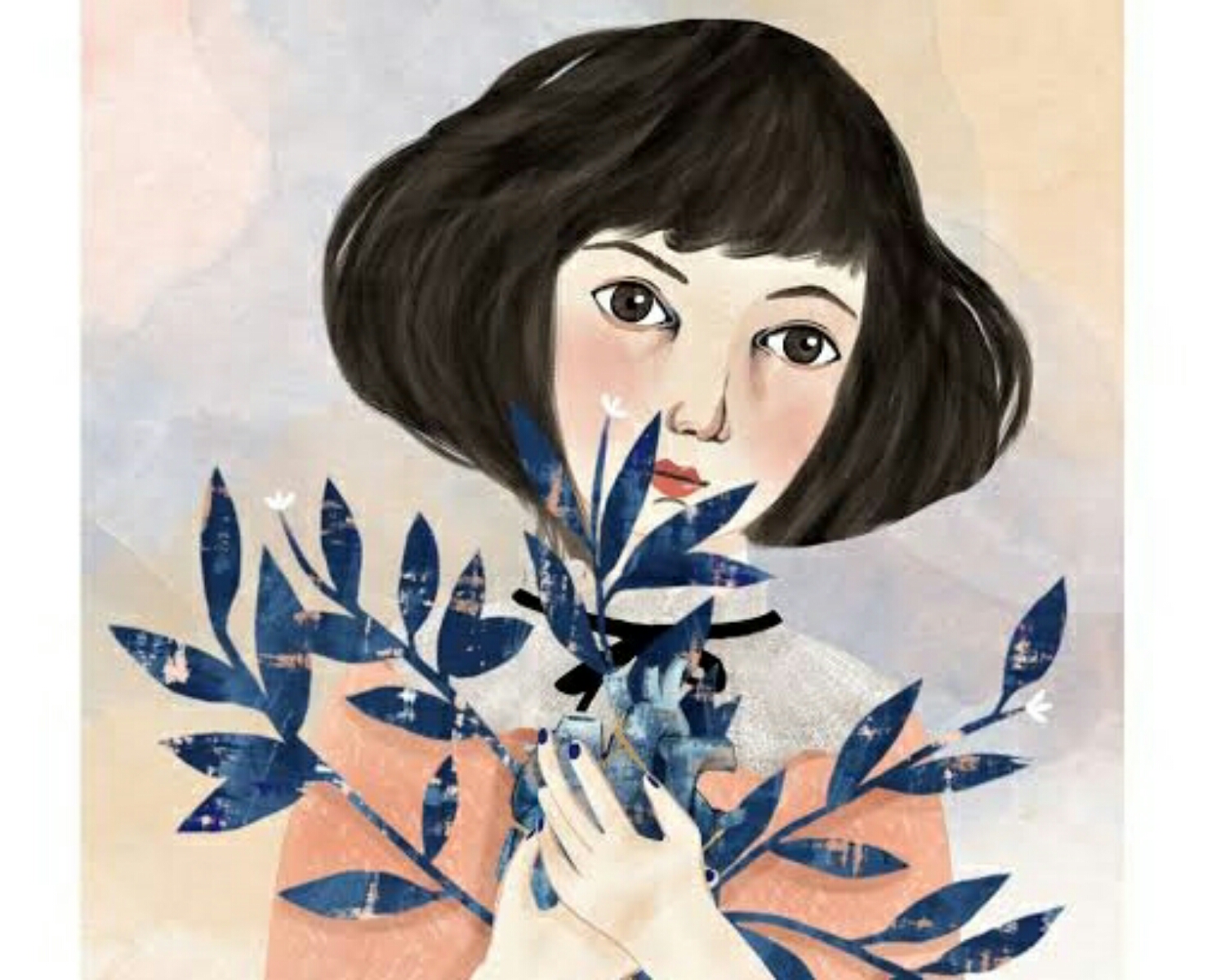
1. Through acceptance, we find freedom and growth:
The core philosophy relates to one word, Uketamo , which means "I humbly accept with an open heart."
Here’s how it works:
- You’re about to lose your job? Uketamo .
- The forecast suddenly changed to downpour rain and now you must cancel your outdoor event? Uketamo .
- You fractured your leg and need to be in a cast for the next month? Uketamo .
~Uketamo means acceptance to the core~
The sooner you can accept all the good and bad things life throws at you, the easier it is to grow.

2. Strive to be excellent instead of being perfect
Everything in nature is always changing, and nothing is ever be absolutely complete.
And since perfection is a state of completeness, then nothing can ever be perfect.
Hence, the wabi-sabi philosophy teaches us that all things, including us and life itself, are impermanent, incomplete, and imperfect.
In our pursuit to seek the perfect life, career, partner etc, we have blurred our understanding of what perfection really is.
3.See beauty in all things,especially the broken and scarred
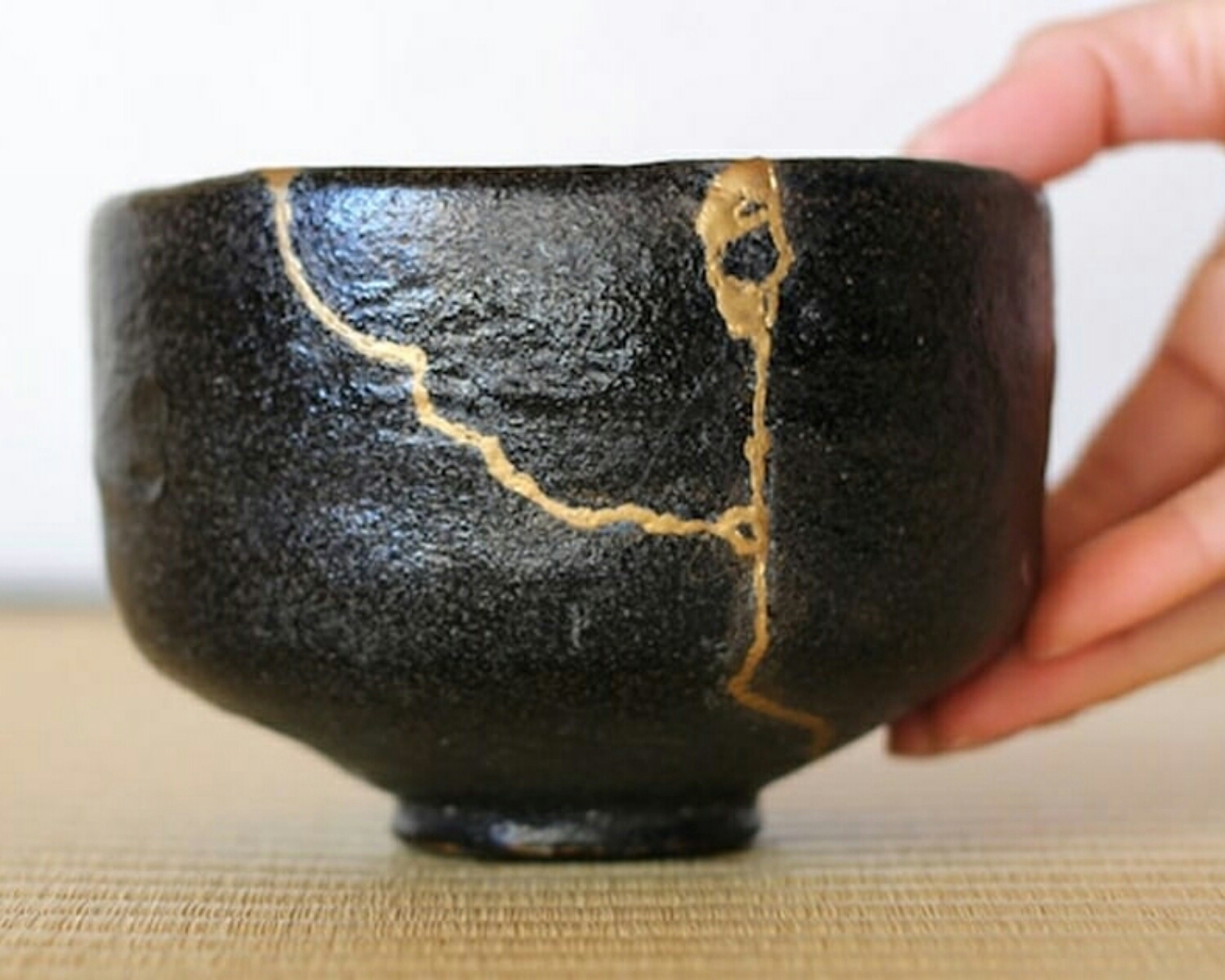
This stems from an ancient Japanese art to mend broken objects with gold fillings, giving them “golden scars.” It’s known as Kintsugi.
Think of a bowl or teapot dropped onto the floor. What would you do with it? Probably throw them away.
But Kintsugi tells you to mend the pieces of broken pottery back together with liquid gold ~making them inevitably flawed, but somehow, more beautiful~
Kintsugi reminds us that there is great beauty in broken things because scars tell a story.
They demonstrate fortitude, wisdom, and resilience, earned through the passage of time.

4. The joy of life is in it's simplicity
- Slowing down is the antidote to living in a rhythm of rush- When you slow down, you begin creating the space for you to pause and reflect, to wonder and ask questions. You naturally become more present.
Most people hit total burnout because they were moving too fast and never slowed down to carve out the mental and emotional space to realise their self-sabotaging behaviour.
- Simplifying your life is the antidote to living a complex one- Decluttering is an integral part of the journey to growth and change. Letting go of what no longer serves you is how you allow room for what will.
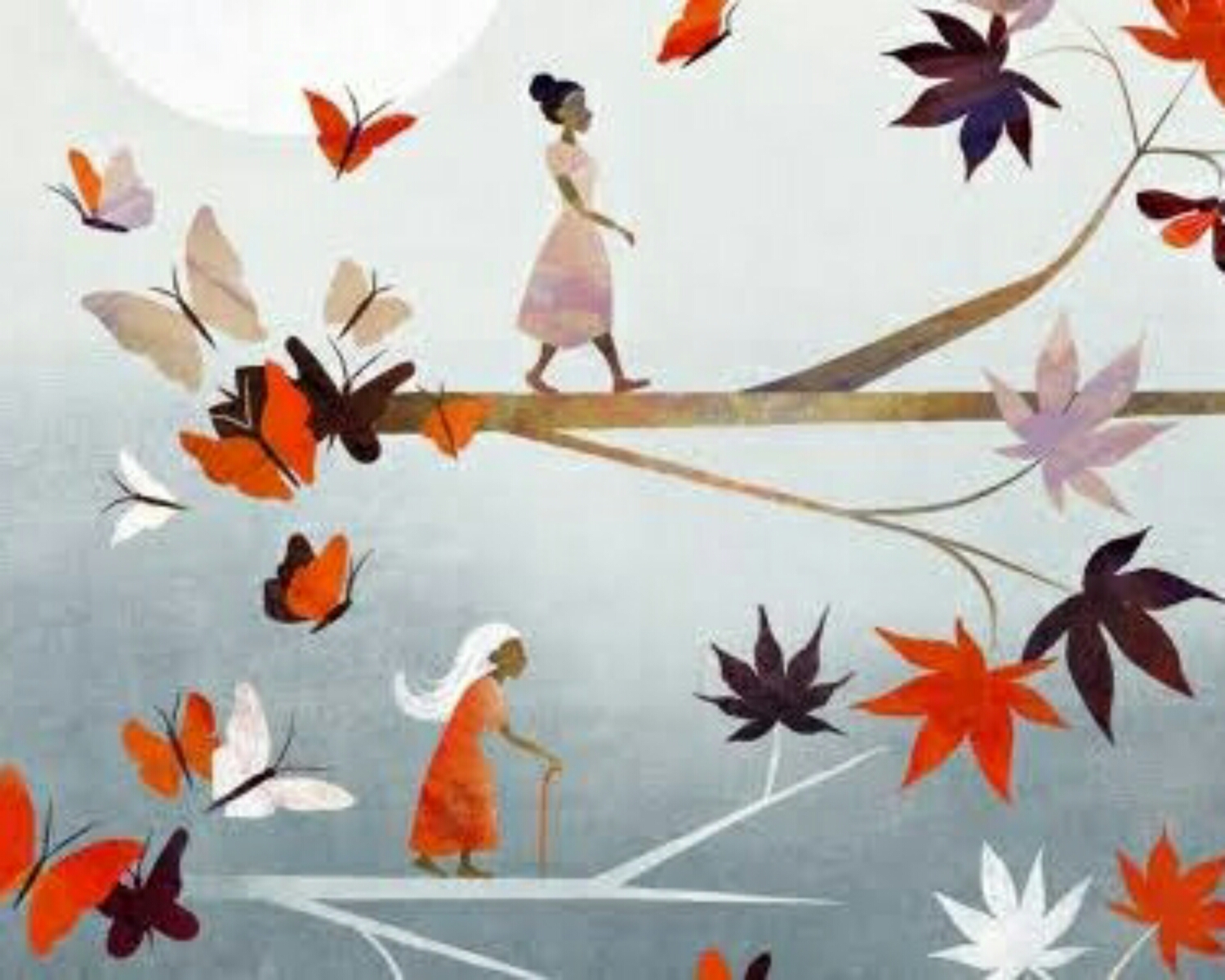
5. Be content at where you are right now
Our obsession with seeking happiness has blinded us to what happiness actually is: An emotion.
On a 17th-century tsukubai (water basin) stone at the Ryoanji Temple in Kyoto, there’s an ancient inscription - "ware tada taru wo shiru,” which means “I only know contentment.”
To be content with what you have and where you are is to be grateful. To be content with what you have and where you are, while working toward what you want, and fully trusting that you can achieve it, is to be intentional. And through gratitude, intention, and action, you find happiness.

“Put simply, wabi sabi gives you permission to be yourself. It encourages you to do your best but not make yourself ill in pursuit of an unattainable goal of perfection. It gently motions you to relax, slow down and enjoy your life. And it shows you that beauty can be found in the most unlikely of places, making every day a doorway to delight.”


