13 Essential Books for Product Managers
Curated from: medium.com
Ideas, facts & insights covering these topics:
13 ideas · 1.3K reads
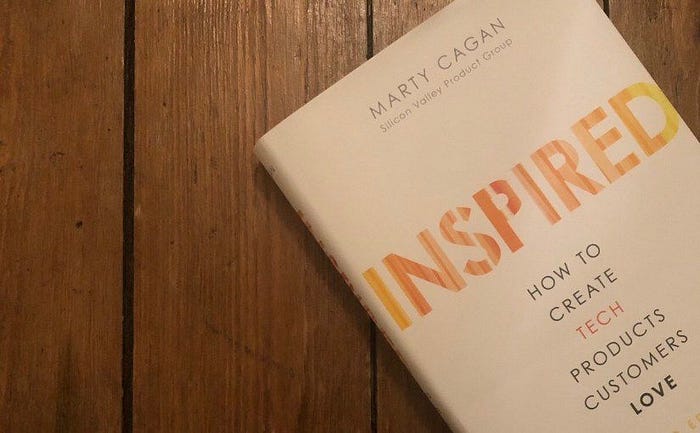
Inspired: How to Create Tech Products Customers Love
As one of Silicon Valley’s most respected experts on product development in tech and as the founder of the Silicon Valley Product Group, Marty Cagan knows more than a thing or two about product.
This book, originally published more than a decade ago and recently updated for a second edition, is packed with Cagan’s observations about product development and anecdotes from his years in the field.
Naked Statistics: Stripping the Dread from the Data
Product managers rely on data to make decisions, secure buy-in from stakeholders, and tell the story of their products. But as important as statistical analysis can be in product management, it’s all too easy to overlook what the data is really telling us.
That’s why Charles Wheelan’s Naked Statistics: Stripping the Dread from the Data is such a valuable read for product managers looking to up their game.
Beautiful Evidence
Design is arguably the most important aspect of contemporary product development. Although many product managers have a solid grasp on the fundamentals of good design, cultivating a deeper understanding of how and why good design works is critical for product managers who want to create better products.
Few books illustrate these principles more effectively than Edward Tufte’s Beautiful Evidence.
Badass: Making Users Awesome
The best product managers not only want to create products for their users; they also want to empower users to solve their problems and make their lives better — and Kathy Sierra’s Badass: Making Users Awesome is an actionable, hands-on blueprint on how to do just that.

Hooked: How to Build Habit-Forming Products
Nir Eyal’s keen understanding of user psychology is what makes hooked such a compelling read.
Hooked introduces the reader to broader topics about what Eyal calls “behavioral design” before illustrating those concepts with Real-World examples.
The Hard Thing about Hard Things: Building a Business When There Are No Easy Answers
Andreessen Horowitz cofounder Ben Horowitz’s book, The Hard Thing About Hard Things: Building a Business When There Are No Easy Answers, became an overnight best seller upon its release back in 2014.
The world of technology has changed dramatically since the book’s first edition, but Horowitz’s seminal book is still one of the best overviews of contemporary product development and running a startup out there.
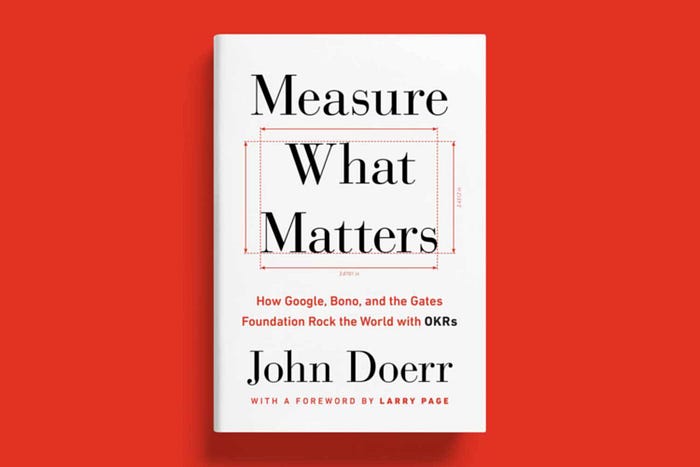
Measure What Matters
Venture capitalist and Kleiner Perkins chairman John Doerr has been helping entrepreneurs succeed for almost 40 years. Doerr has long championed the concept of OKR — objectives and key results — and distills much of his knowledge and experience into his fascinating book, Measure What Matters.
Escaping the Build Trap: How Effective Product Management Creates Real Value
Many product managers will be intimately familiar with the perils of “the build trap” — the practice of focusing exclusively on output rather than outcomes by releasing one feature after another instead of focusing on the needs and desires of the user. Far too many companies fall into this rut, which is why Melissa Perri’s Escaping the Build Trap: How Effective Product Management Creates Real Value is an essential read for product managers hoping to take their career to the next level.
Product Leadership: How Top Product Managers Launch Awesome Products and Build Successful Teams
There’s a world of difference between product management and product leadership, and it’s this critical difference that forms the basis of Richard Banfield, Martin Eriksson, and Nate Walkingshaw’s Product Leadership: How Top Product Managers Launch Awesome Products and Build Successful Teams.
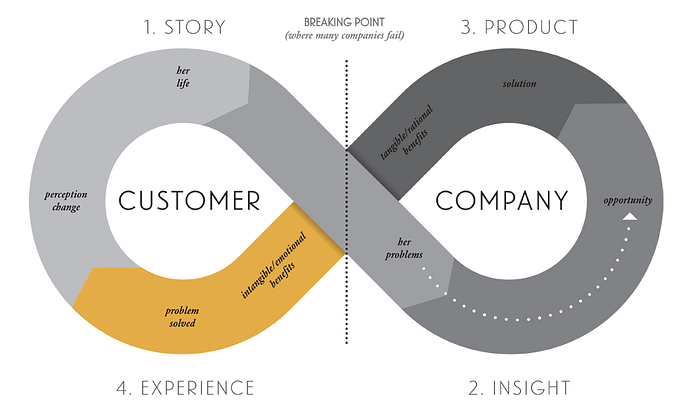
Meaningful: The Story of Ideas That Fly
The central premise of brand strategist and best-selling marketing author Bernadette Jiwa’s Meaningful: The Story of Ideas That Fly is “the Story Strategy,” a blueprint for building products that prioritizes the needs and desires of end users.
Sprint: How to Solve Big Problems and Test New Ideas in Just Five Days
The idea behind Jake Knapp, John Zeratsky, and Braden Kowitz’s best-selling Sprint: How to Solve Big Problems and Test New Ideas in Just Five Days is simple: Build better products, faster.
Selling Blue Elephants: How to Make Great Products That People Want Before They Even Know They Want Them
Alex Gofman and Howard Moskowitz’s Selling Blue Elephants: How to Make Great Products That People Want Before They Even Know They Want Them is centered on a principle the authors call rule-developing experimentation, or RDE.
The Halo Effect . . . and Eight Other Business Delusions That Deceive Managers
Phil Rosenzweig’s The Halo Effect . . . and Eight Other Business Delusions That Deceive Managers: The halo effect is the tendency to apply positive or negative characteristics of a whole to each of its constituent parts.
For product managers, the halo effect can be particularly dangerous; if a project succeeds, it’s because the strategy, execution, and leadership all contributed to the project’s success. Offering plenty of scientific explanations and Real-World examples to support his points.