

#AnimalTesting #Neuroscience #HealthInnovation
hub.jhu.edu
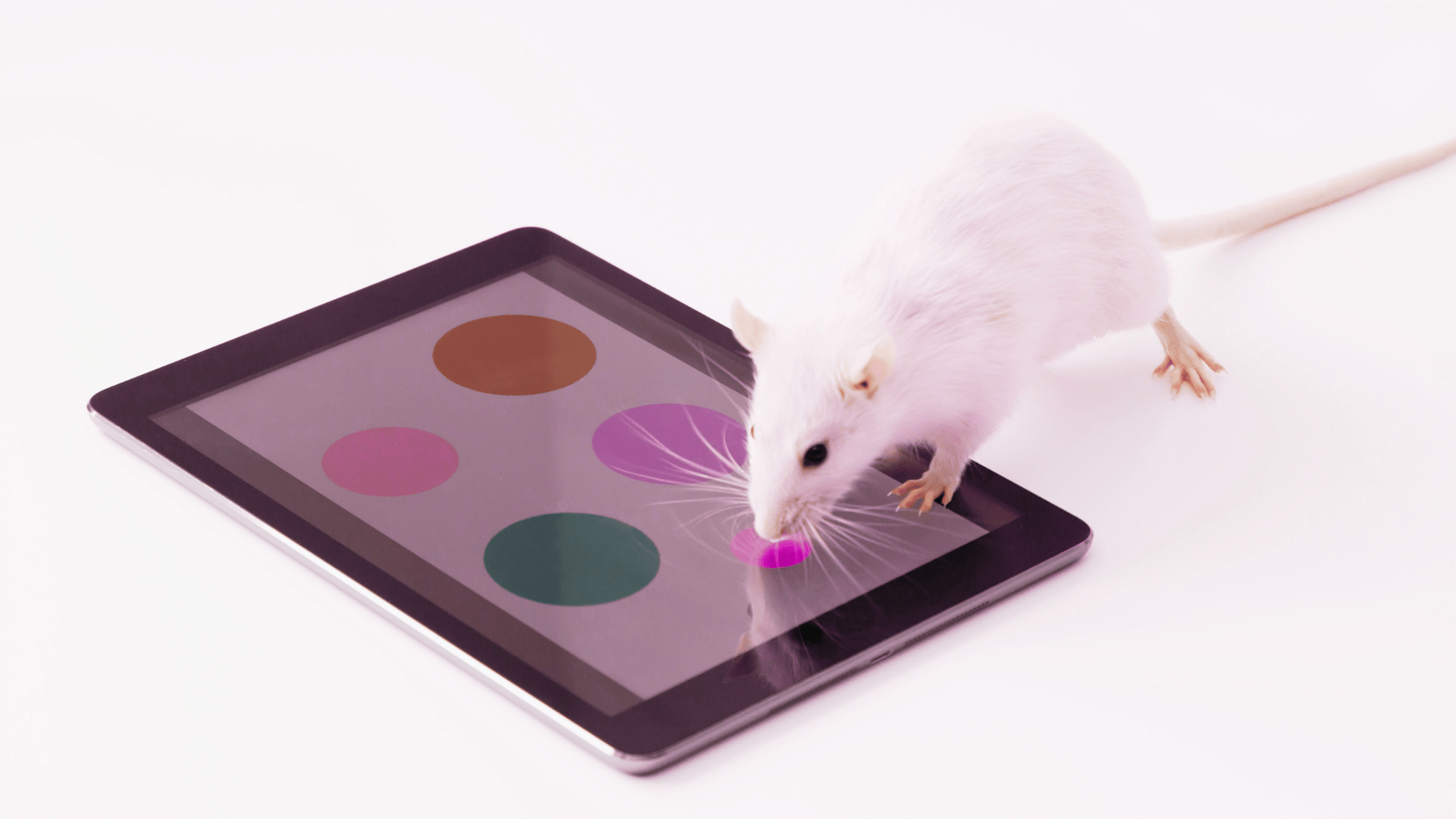
Johns Hopkins awarded $15M to develop platform to study neurological diseases, screen chemicals
Researchers will join a new NIH-supported network working to develop novel approach methodologies that complement or replace animal testing
By Bloomberg School of Public Health staff report
/ Published March 19, 2026 Media Inquiries NameEliza Cole Email[email protected] NameKris Henry Email[email protected]
A team of Johns Hopkins researchers has been awarded a five-year, $15 million grant from the National Institutes of Health to develop a platform to test potential new treatments for neurological diseases such as Alzheimer's, and to screen for harmful chemicals.


#StemCells #RegenerativeMedicine #Neuroscience
news.harvard.edu
A 'cocktail' recipe for brain cells -- Harvard Gazette
Stem cell biologists discover how to regenerate type damaged in ALS, spinal cord injuries
Harvard stem cell biologists have discovered a way to grow the type of brain cells that degenerate in patients with amyotrophic lateral sclerosis (ALS) and suffer damage in spinal cord injuries.








#Biopharma #Neuroscience #ClinicalTrials

www.benzinga.com
Neumora Therapeutics Highlights 2026 Pipeline Strategy and Anticipated Upcoming Milestones - Neumora Therapeutics (NASDAQ:NMRA)
Multiple clinical data readouts expected in 2026 present opportunity for substantial value creation
KOASTAL-2 and -3 on track for consolidated topline readout in the second quarter of 2026
Plans to conduct NMRA-215 clinical program in 2026 following class-leading preclinical data from diet induced obesity model
Advancing NMRA-511 following Phase 1b results demonstrating clinically meaningful effect on CMAI total score
Cash, cash equivalents and marketable securities expected to support operations into the third quarter of 2027
WATERTOWN, Mass.
#CircadianRhythms #DementiaRisk #Neuroscience

www.news-medical.net
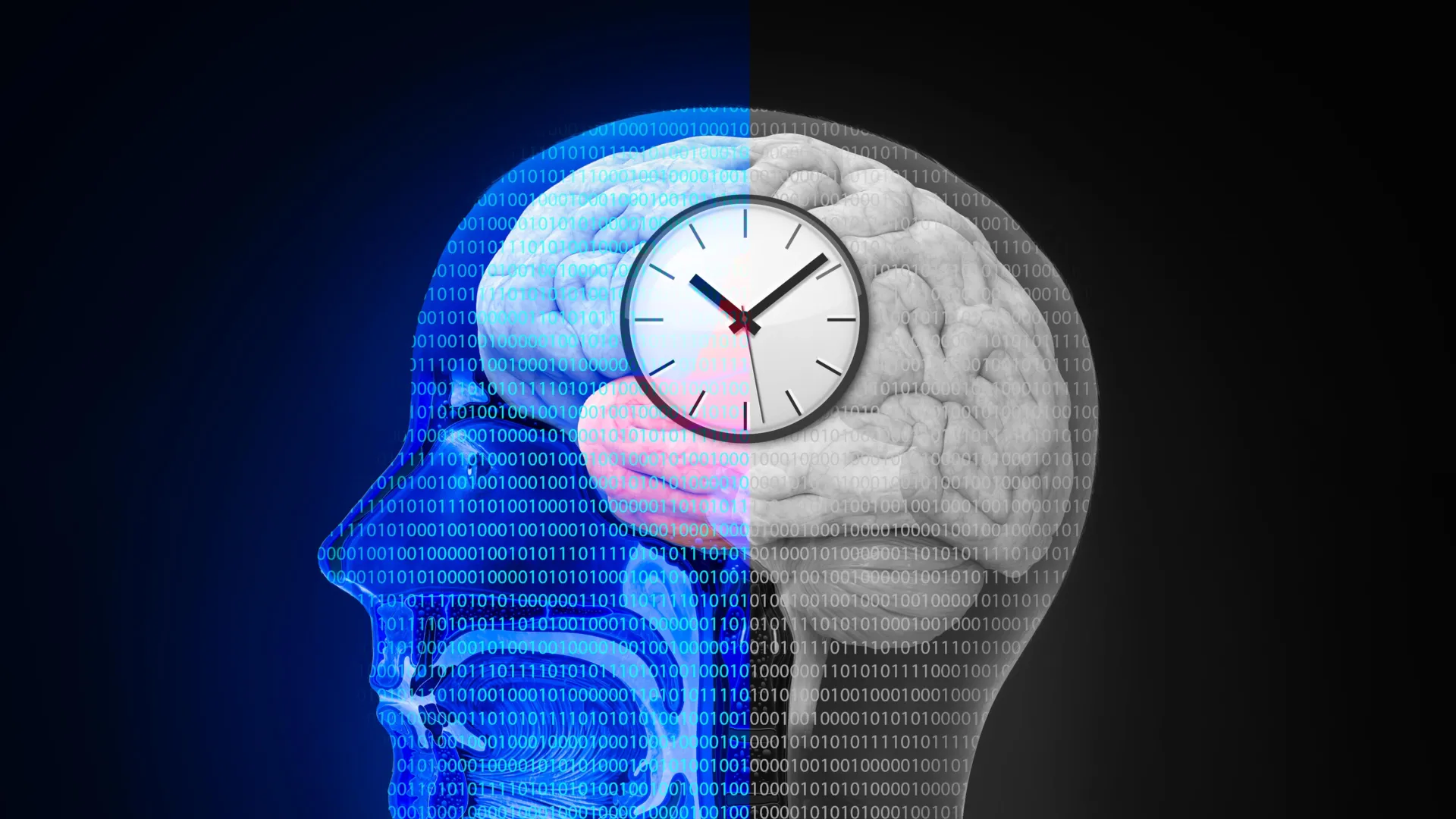
Weaker and fragmented circadian rhythms linked to higher dementia risk
American Academy of NeurologyJan 4 2026
Circadian rhythms that are weaker and more fragmented are linked to an increased risk of dementia, according to a new study published on December 29, 2025, in Neurology®, the medical journal of the American Academy of Neurology.




#Neuroscience #BrainConnectivity #CognitiveCapacity
neurosciencenews.com
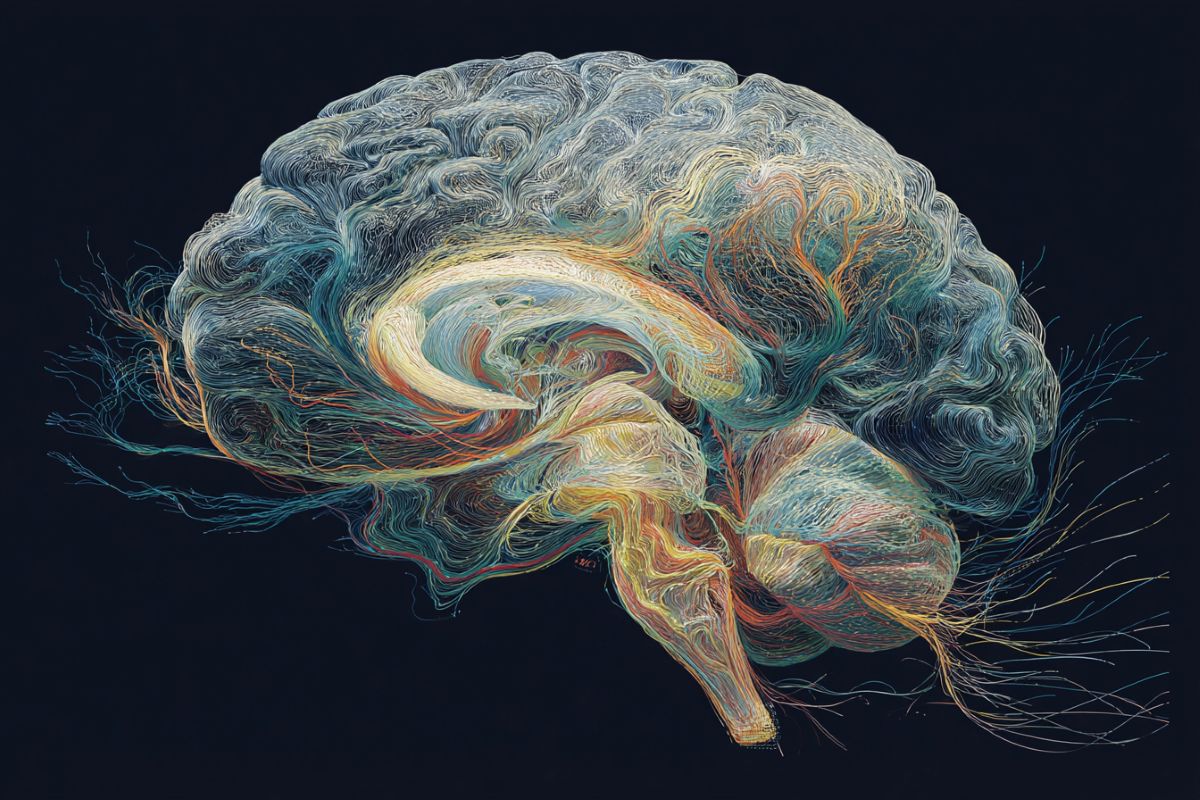
Brain Blends Fast and Slow Signals to Shape Human Thought - Neuroscience News
Summary: Researchers mapped the brain connectivity of 960 individuals to uncover how fast and slow neural processes unite to support complex behavior.