12 Personal Finance Tips and Tricks to Make You Rich - Swift Salary
 Curated from:
www.swiftsalary.com
Curated from:
www.swiftsalary.com
14 ideas · 196.7K reads

Side Hustle to Make More Money
You don't have to sacrifice all of your free time to start a side hustle, use the time you’re comfortable with and make a little bit of progress every day.

Take Action
Get to working on improving your finances today, not tomorrow. Reading the steps and thinking you’re capable of doing it but postponing it is just an excuse, an unprofitable one.

Communicate With Your Partner
Talking about your financial goals, and scheduling time once a month to go over your finances together can prevent money from affecting your relationship.
Start Investing
You should have a savings account, but your money is depreciating if that’s your only investment - average savings don’t yield more than inflation.
Real estate, peer-to-peer lending, exchange traded funds (etfs) and stocks are examples of common investments. Cryptocurrencies occurrences are also an alternative although risky.

Know Your Net Worth
Net worth is what would be left if you were to sell everything you own and pay what you owe. If you have a positive net worth, continue working to increase your net worth, but if you have a negative net worth, analyze your budget and plan how to increase it.
Make sure to re-calculate your net worth every month or so to keep up to date with your finances.
Have an Emergency Fund
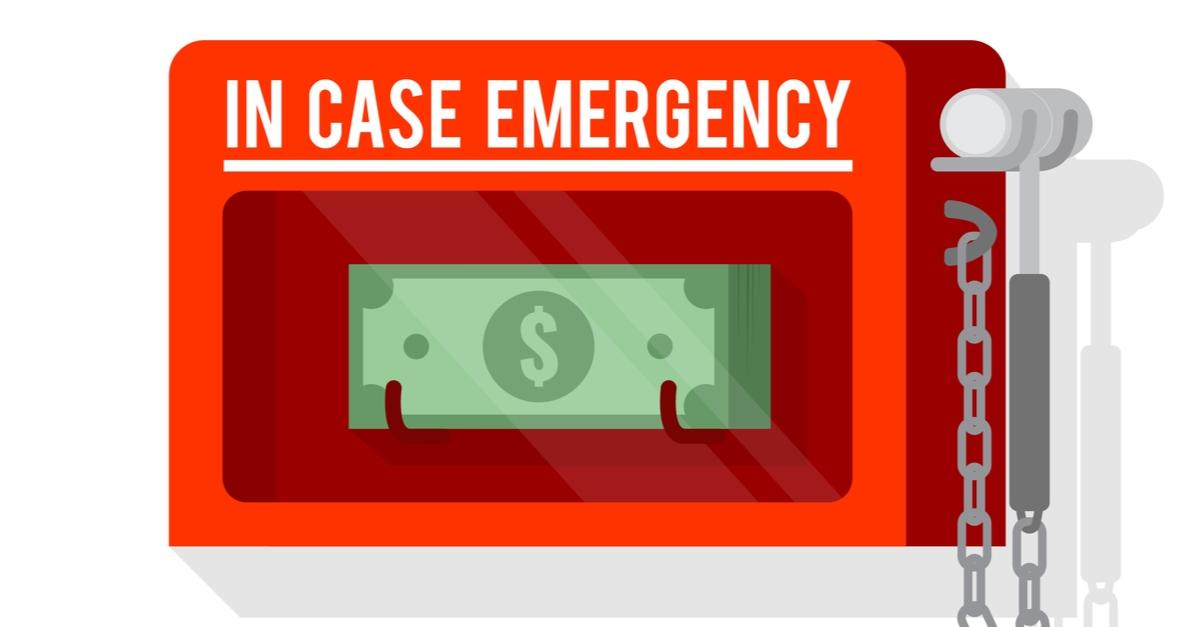
You can't predict an emergency, but you can prepare for one. The best way to do so is to set up an emergency fund of 3-6 months of living expenses.
Common financial emergencies include job loss, natural disasters and car, house and health issues.
Good Debt
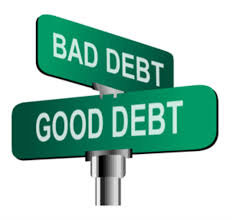
Is debt acquired to purchase something that is going to benefit you financially in the future, usually with low interest. That means it's either going to generate income or allow you to make more money in the future.
Examples of good debt:
- Student Loans: typically have low interest rate and raises future income, if you are headed to a profitable field you enjoy.
- Mortgages: usually long-term loans with low interest rates and tax deductible interest.
- Business loans: investment towards something with the goal of increasing your net worth.
Stay Out of Bad Debt
That’s the debt that's acquired through purchasing something that depreciates, something that's going to lose value and generate zero revenue.
Credit Card's Danger
Credit card usage can lead to debt and the debt grows itself while unpaid. However, used responsibly, it's a good way to start building credit.
Most credit cards also have other benefits, such as rewards points, cash back, or travel points. But if you're incapable of paying off the balance in full every month, then you shouldn’t have it.

Set Financial Goals
A clear set of goals can keep you motivated and help you plan to reach it faster.
Have different goals for what you want to achieve in the next 3-months, 1 year and 5 years. This way you'll have some short and long-term goals to look forward too.
/investor-dropping-coins-in-hourglass-158317776-592f5ab93df78cbe7e8f6a3d-5bd9e97dc9e77c0026934db5.jpg)
Invest on Your Savings First
Act as if your savings account is a bill to pay, so you’re less likely to spend it. Automate savings transfers if possible.
Break Down Your Income & Expenses
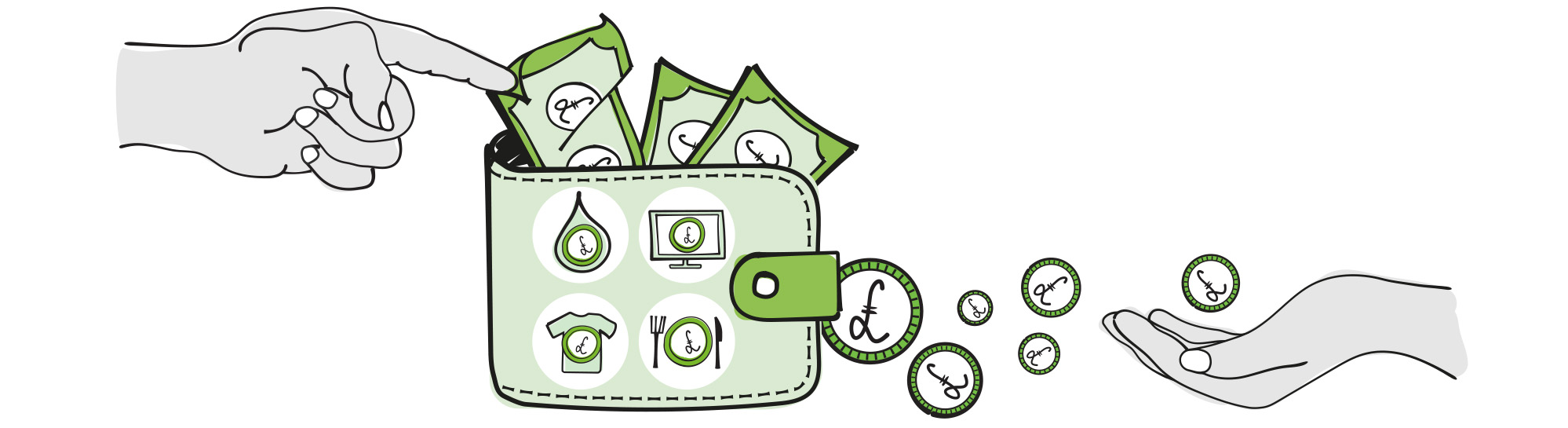
Take note of all your expenses, subtract them from your income and find out how much you have left per day, so you have a better idea how long it will take to reach your goals.
This will help you see how far purchases are going to set you back and affect your spending ability.
Learn to Budget
Create a plan for your money so you know where it's going every month.
A popular and effective way to budget is with the 50/30/20 rule, where 50% of your income goes towards necessities (bills, food, housing, etc.), 20% of your income goes towards savings and 30% you can use freely.
Spend Less Than You Earn
In order to do this, you need to track your spending by either writing your purchases down or using a free personal finance app.