Celeste Headlee: 10 ways to have a better conversation | TED
Curated from: www.youtube.com
Ideas, facts & insights covering these topics:
11 ideas · 5.2K reads

The art of conversation
We live in a world where every conversation can turn into an argument. Pew Research found that we are more polarised, more divided than we have ever been in history. It means we are not listening to each other.
A conversation requires talking and listening, and somewhere we have lost the balance between them. In the 21st century, it's more important to sustain coherent, confident conversations. We might not like the person or might deeply disagree with them, but we should still be able to have a great conversation with them.

Don't multitask
Be present in that moment.
Don't look at your cellphone. Don't think about what you're having for dinner. If you want out of the conversation, then get out, but don't be half in half out.
Don't pontificate
Enter every conversation assuming you have something to learn as everybody is an expert in something.
A true conversation means setting aside your personal opinion. In sensing this acceptance, the speaker will become less vulnerable and more willing to open up.
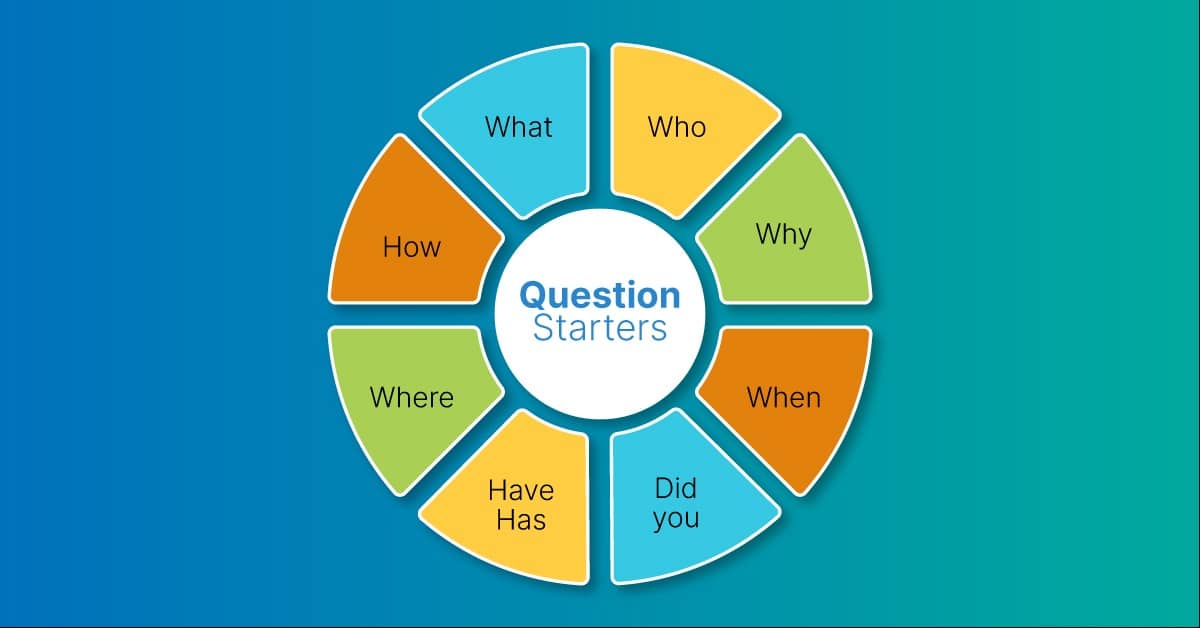
Use open-ended questions
Start your questions with who, what, when, where, why or how.
For example, instead of asking "Were you terrified?", which will produce a "yes" or "no" answer, try asking, "How did that feel?" They might have to think about it, but you'll get a much better response.
Go with the flow
We may listen to someone who talks for several minutes, and then thoughts will pop into your mind and draw your attention away from the conversation.
Stories and ideas will come to you, but you need to let them come and let them go.
If you don't know, say that you don't know
People on the radio are more aware that they're going on the record and will be more careful about what they claim to be an expert in.
Do the same. Err on the side of caution.
Don't equate your experience with theirs
If they're talking about losing a loved one, don't start talking about the time you lost a loved one. If they talk about the trouble at work, don't tell them about your own troubles at work. It's not the same.
The conversation is not about you. You don't need to prove how amazing you are or how much you've suffered.

Try not to repeat yourself
It's condescending. It's boring. Yet we all tend to do it a lot, especially in work conversations or with our kids. We have a point to make that we keep rehashing. Don't do it.
Stay out of the weeds
People don't care about the little details you struggle to remember. The names, dates, years, they don't care.
What they care about is you. What you're like, what you have in common.
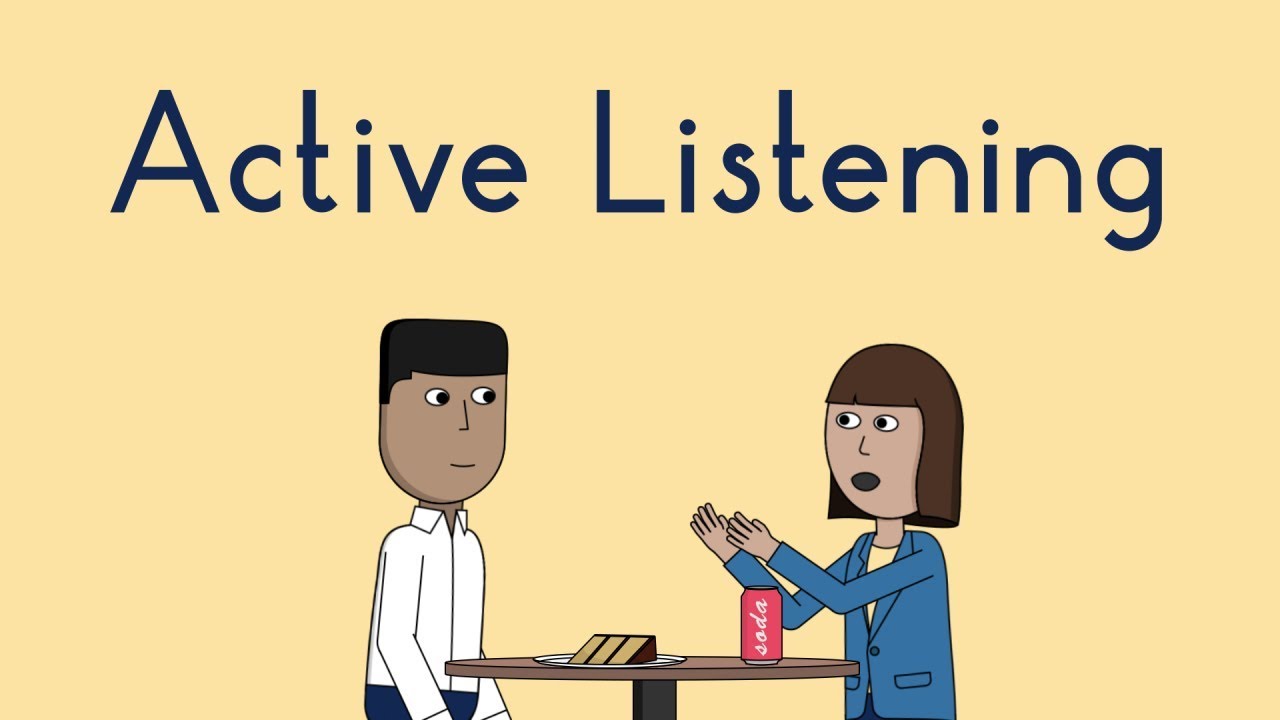
Listen
The ability to really listen is perhaps the most important skill you could develop.
Why don't we listen?
- We like to rather talk because when we talk, we're in control. We don't have to listen to anything we're not interested in.
- We get distracted. We can listen to 500 words per minute, yet the average person talks at about 225 words per minute. So our minds fill in the other 275 words.
Be brief
A good conversation is brief enough to retain interest but long enough to cover the subject.