Creative mind maps making (part-1)
Curated from: deepstash.com
Ideas, facts & insights covering these topics:
6 ideas · 941 reads
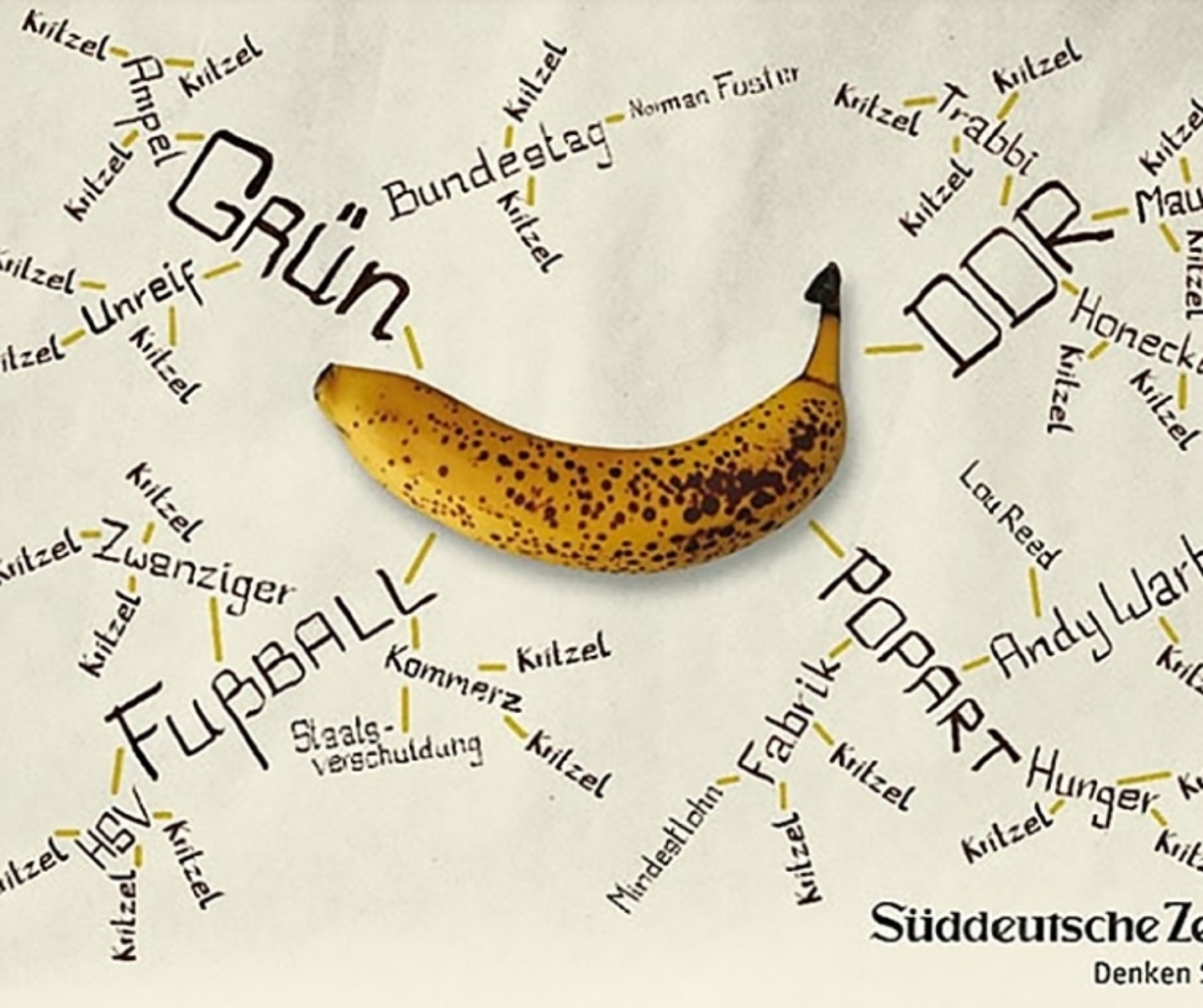
Take a beautiful photograph to place in the center
An appropriate object can be photographed, printed, trimmed and then glued onto your workbook page – or digitally superimposed upon a page and then printed. Alternatively, you might photocopy an object (placing the item directly upon the photocopier or scanner, with teacher supervision) so that it seamlessly integrates with the page. The remainder of the mind map can then be added by hand. As the photograph becomes a dominant element upon the page, the object should be selected with care.
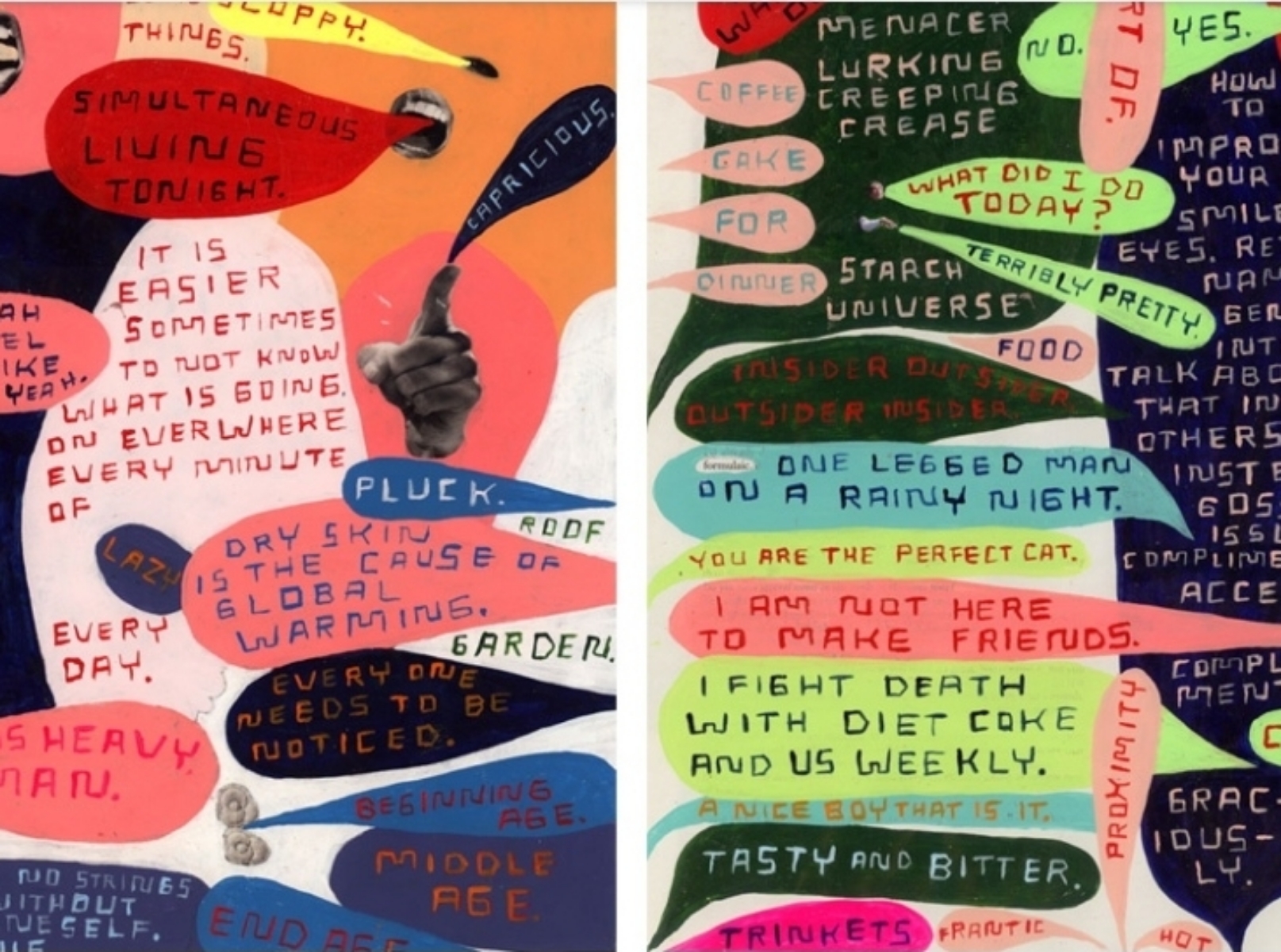
Use painted areas to contain text
This approach gives you an opportunity to play with space and color, while recording ideas. A range of different painted marks could be used – splashes / smears / drips etc. It is worth remembering that color choices should be thoughtful and not distract from subsequent work in your sketchbook.
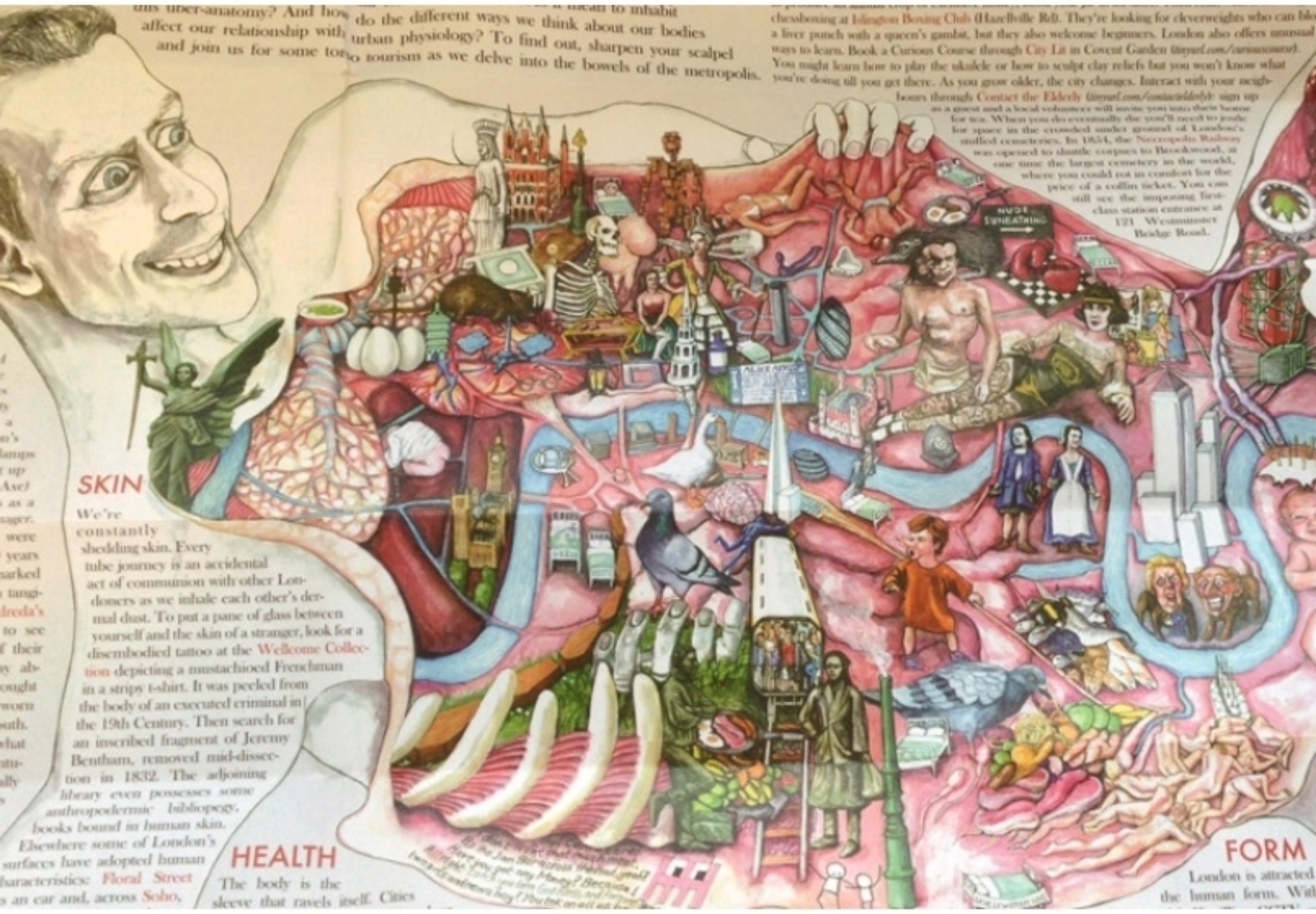
Draw lots of small pictures to illustrate ideas visually
In many cases, the brainstorming phase of an Art project has to be completed quickly, however, if you are a fast drawer and have a spare weekend, you might wish to produce a collection of drawings to illustrate your ideas. You might wish to include a range of different mediums. Before spending considerable time on this exercise, you should check with your art teacher whether this is appropriate for your project.
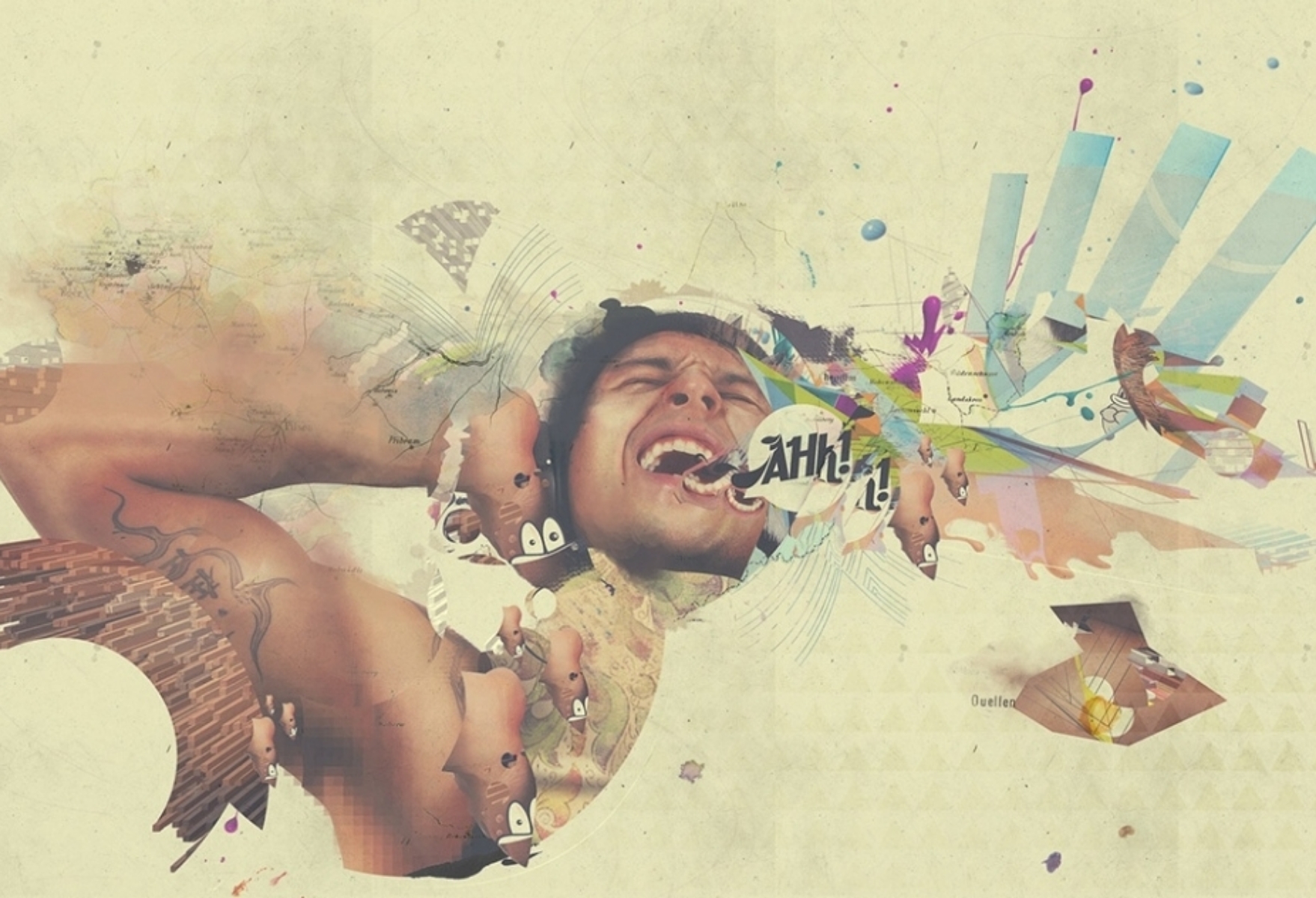
Integrate a mind map with an ‘incomplete’ image
Integrate a mind map with an ‘incomplete’ image that extends across the page. Many Art students find that drawing itself allows them to relax and thoughts to flow freely. You may wish to make a mind map in and around an observational drawing that sprawls across a page, in a fragmented, semi-complete way. As you think of possible ideas, these could be scrawled upon the drawing and extending out from this, creating an organic and spontaneous record of ideas. Strong observational drawers could find this an excellent way to flaunt skill to the examiner from the very first page of their sketchbook.
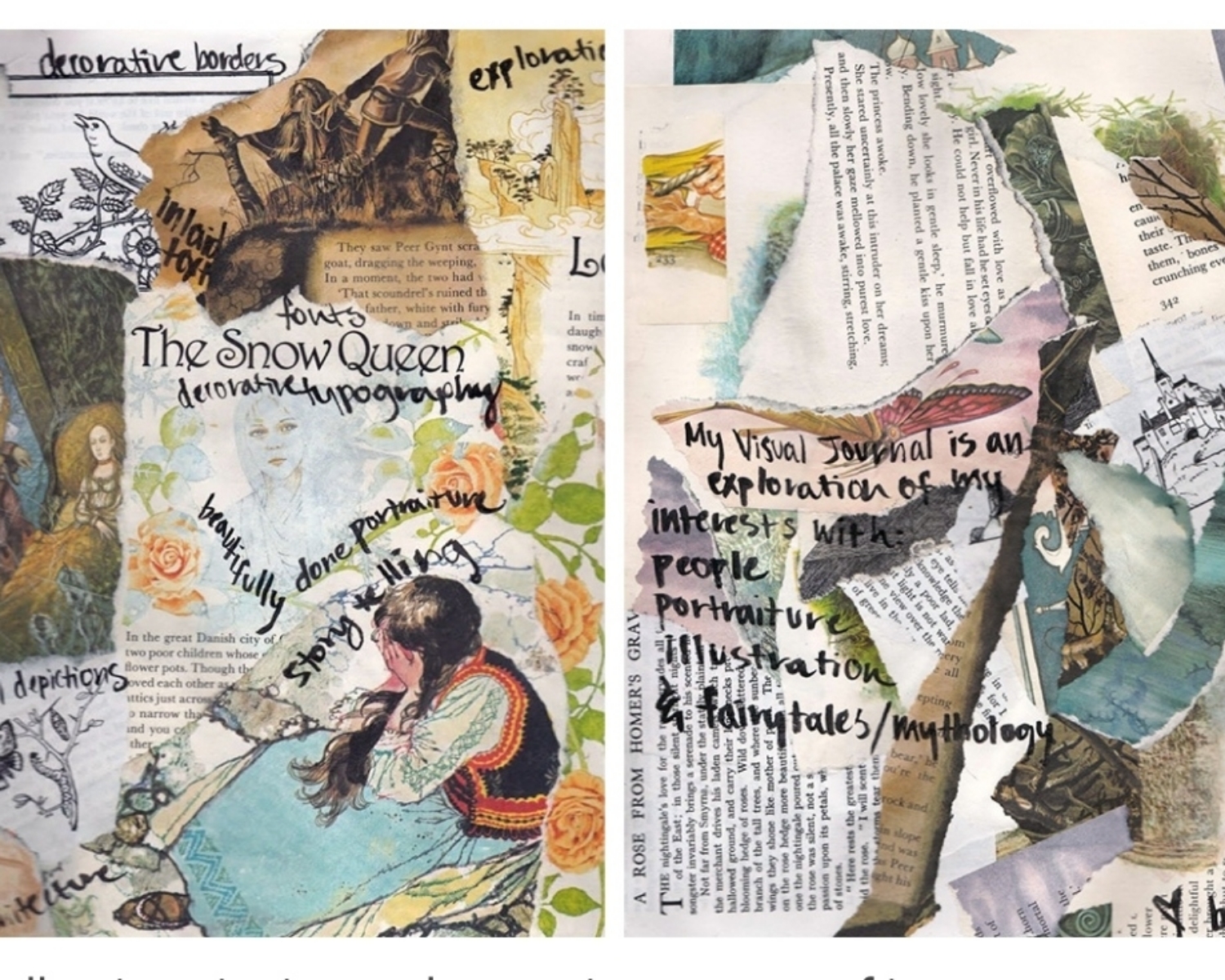
Collage torn images, textures and surfaces together
Collecting, ripping and arranging a range of images, textures and surfaces can provide a creative base upon which to write and draw further ideas. These pages from a visual journal explore ideas related to illustration, fairytales and mythology.
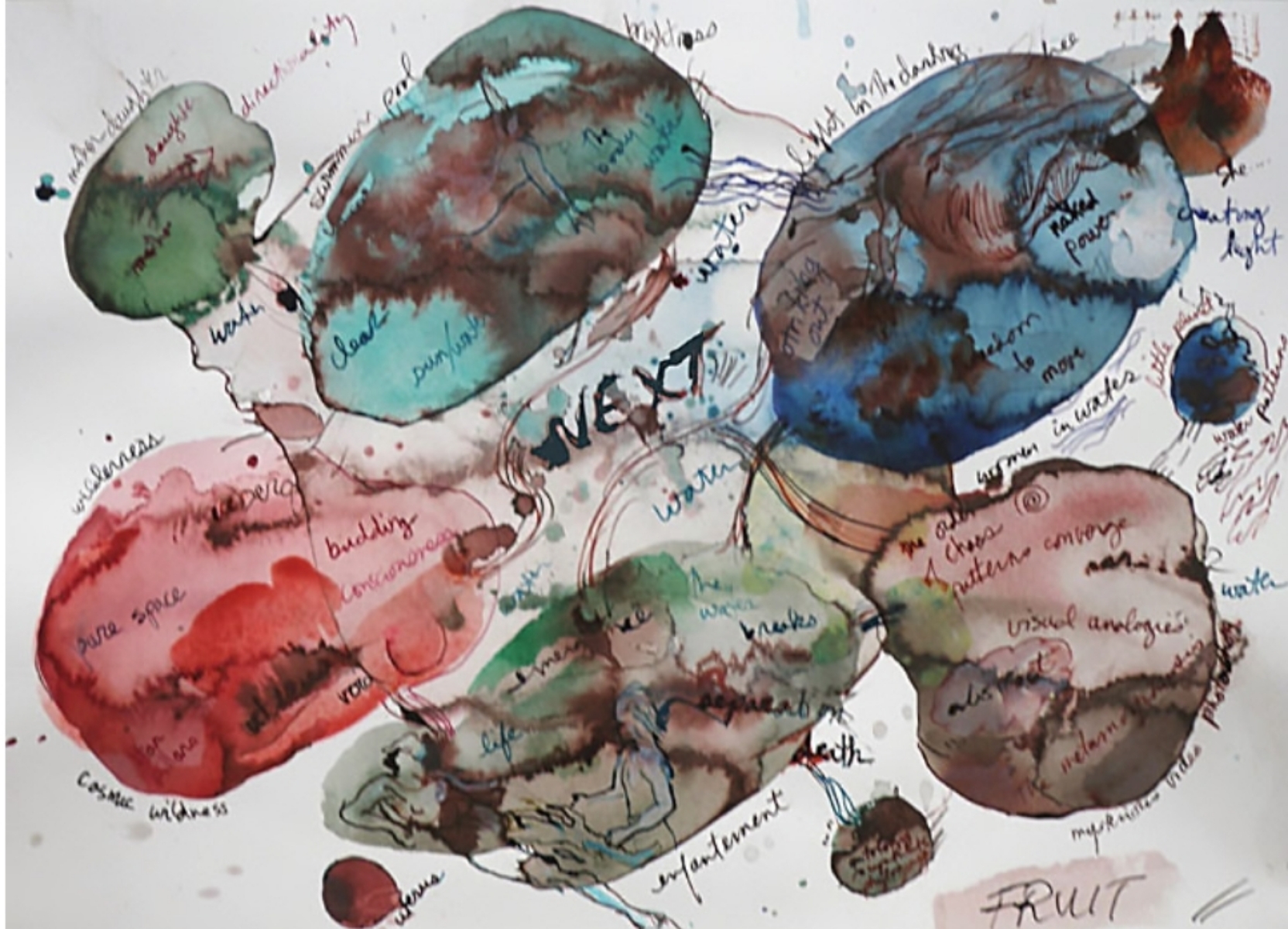
Draw over an abstract watercolour ground
Drawing a mind map over blurred and running watercolor forms can result in an exciting abstracted diagram. As mentioned in the above example, colors that link in with the subject matter should be chosen (muted, softer colors are usually more appropriate than psychedelic pinks and greens, for example).