
Think Like a Monk
Curated from: play.google.com
Ideas, facts & insights covering these topics:
13 ideas · 4.1K reads
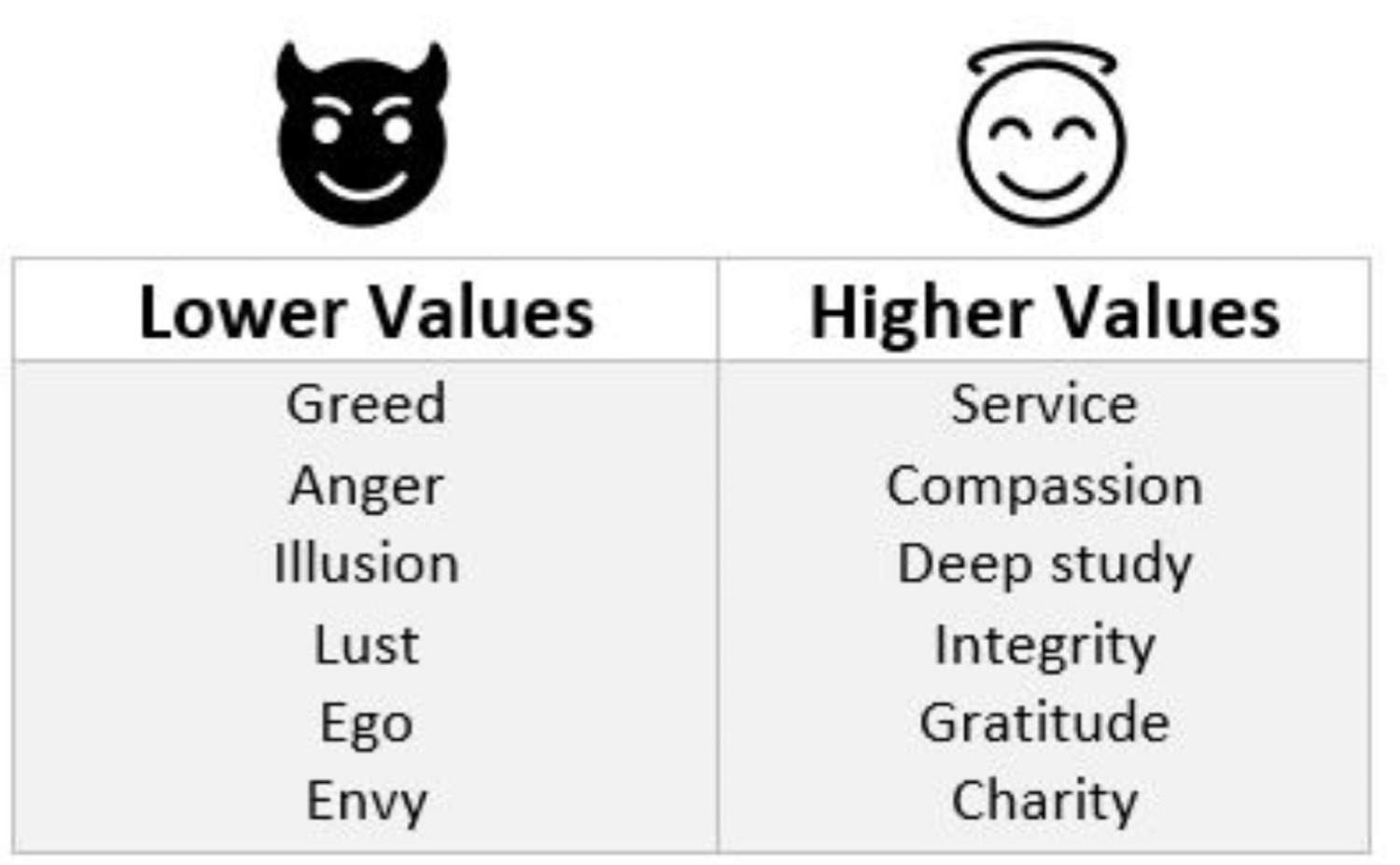
1. Clarify Your Identity
The first step to thinking like a monk is to get clear on your values. How?
- List your values.
- Identify the origin of that value.
- Reflect on whether or not that value aligns with your true self.
After listing your values and identifying which ones are truly your values, audit your life to see if you are living in accordance with those values.

2. Reverse negativity with Spot-Stop-Swap
In order to overcome bad habits, Use Spot, Stop, Swap:
- Spot the negative feeling.
- Stop to understand what it is.
- Swap in a way of processing the feeling.

“Petty, negative thoughts and words are like mosquitos: Even the smallest ones can rob us of our peace.”

3. Get intimate with fear, then detach.
In order to use fear productively, we need to
- Acknowledge the fear
- Rate the fear (0-10)
- Find your fear patterns
- Detach from the fear
Accept that fear is temporary and that you can’t truly own it or control it. When we no longer try to control it, we will feel our fear dissolve, and we will feel gratitude and freedom.

“Our fears are more numerous than our dangers, and we suffer more in our imagination than reality.”
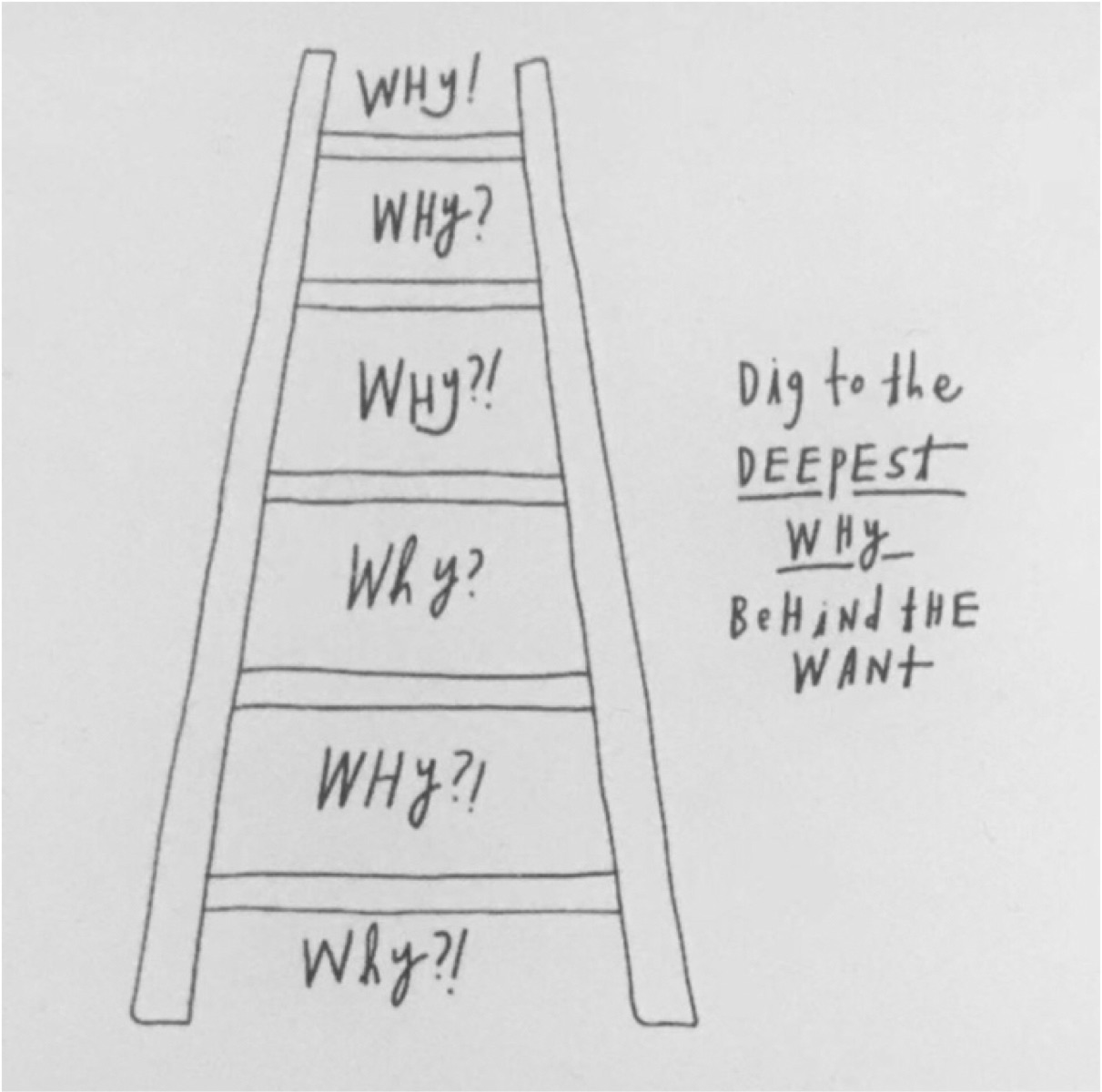
4. Hone Good Intentions
The Four Levels of Motivation
- Fear - is being driven by negative things like sickness, poverty, and death.
- Desire - is being driven by personal gratification through wealth, success, and pleasure.
- Duty - is being motivated by gratitude, responsibility, and doing the right thing.
- Love - is being motivated by helping and caring for others.
The why ladder - Dig to the deepest why behind the want.

5. Live Your Purpose and Dharma
When we use our passions and expertise to provide something that others need, we will have true happiness and fulfillment.
Dharma = Passion + Expertise + Usefulness
“Your passion is for you. Your purpose is for others” - Jay Shetty

6. Improve Your Routines And Habits
Take control of the beginning and end of our days with a good morning routine and evening routine.
For the morning routine,
- Thankfulness
- Insight
- Meditation
- Exercise
For the evening routine,
- Remove small decisions from your next morning by dealing with them now. Every little decision takes away energy. Examples: what to eat, what to wear, what to do.
- Go to sleep with good thoughts because the emotion you fall asleep with will likely be the emotion you’ll wake up with.

7. Master the Mind
- The key to mastering the mind is detachment. Instead of telling yourself “I am angry”, you can say, “I feel angry” or “There is anger.” Don’t identify with the emotion; observe it.
- The Monkey Mind is like a child that needs attention. The Monk Mind is like the mature adult.
To practice detachment, we can take on temporary challenges and austerities, such as
- Giving up TV or your phone
- Taking on a physical challenge
- Abstaining from gossip, complaining, and comparing
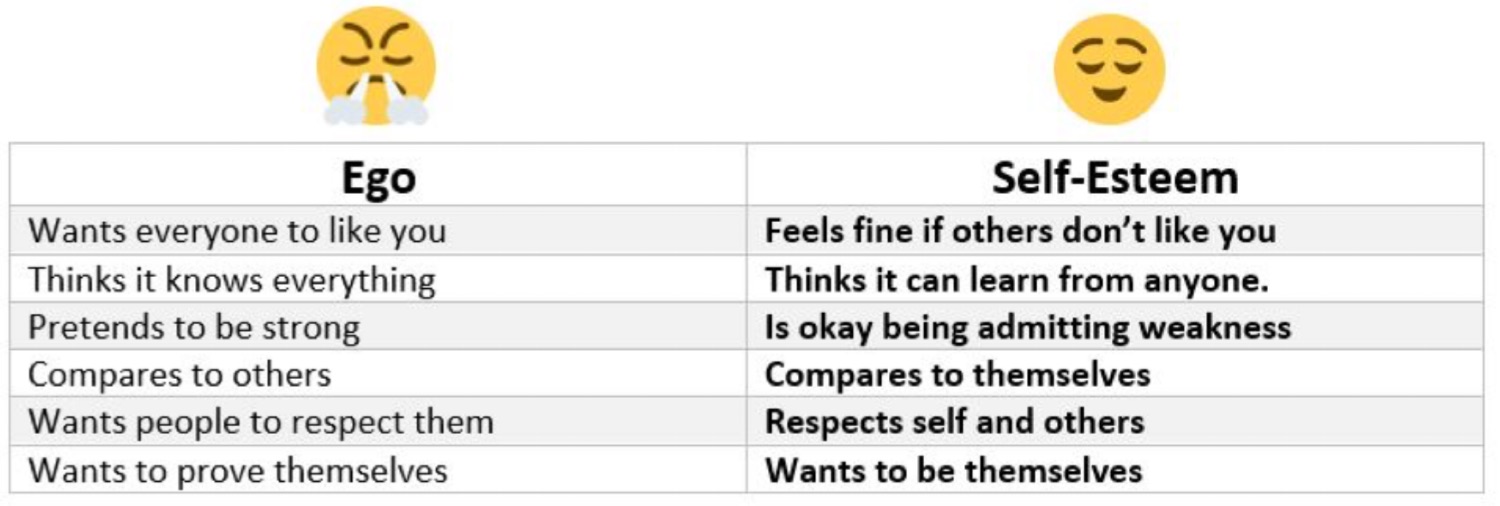
8. Build self-esteem, not ego
The ego is problematic in many ways:
- It makes us liars, which breaks trust
- It creates false hierarchies, which creates discrimination and ruins kindness
- It creates judgment, which ruins our character
- It creates arrogance and prevents learning and growth
Use this table to build your self-esteem. To reduce ego, we can do two things:
- Cultivate humility
- Detach from the ego.

9. Practice frequent, specific and broad gratitude
- Studies show that gratitude is linked to better mental health, self-awareness, better relationships, and a sense of fulfillment.
- Every night, spend five minutes writing down the things you are grateful for.
10. Understand and nurture relationships
Five reasons people get attracted to someone else:
- Physical – you like their looks
- Material – you like their possessions, power, or accomplishments
- Intellectual – you like how they think
- Emotional – you connect well. They understand your feelings.
- Spiritual – they share your deepest goals and values
Have deep conversations with people and really give them your presence and attention.
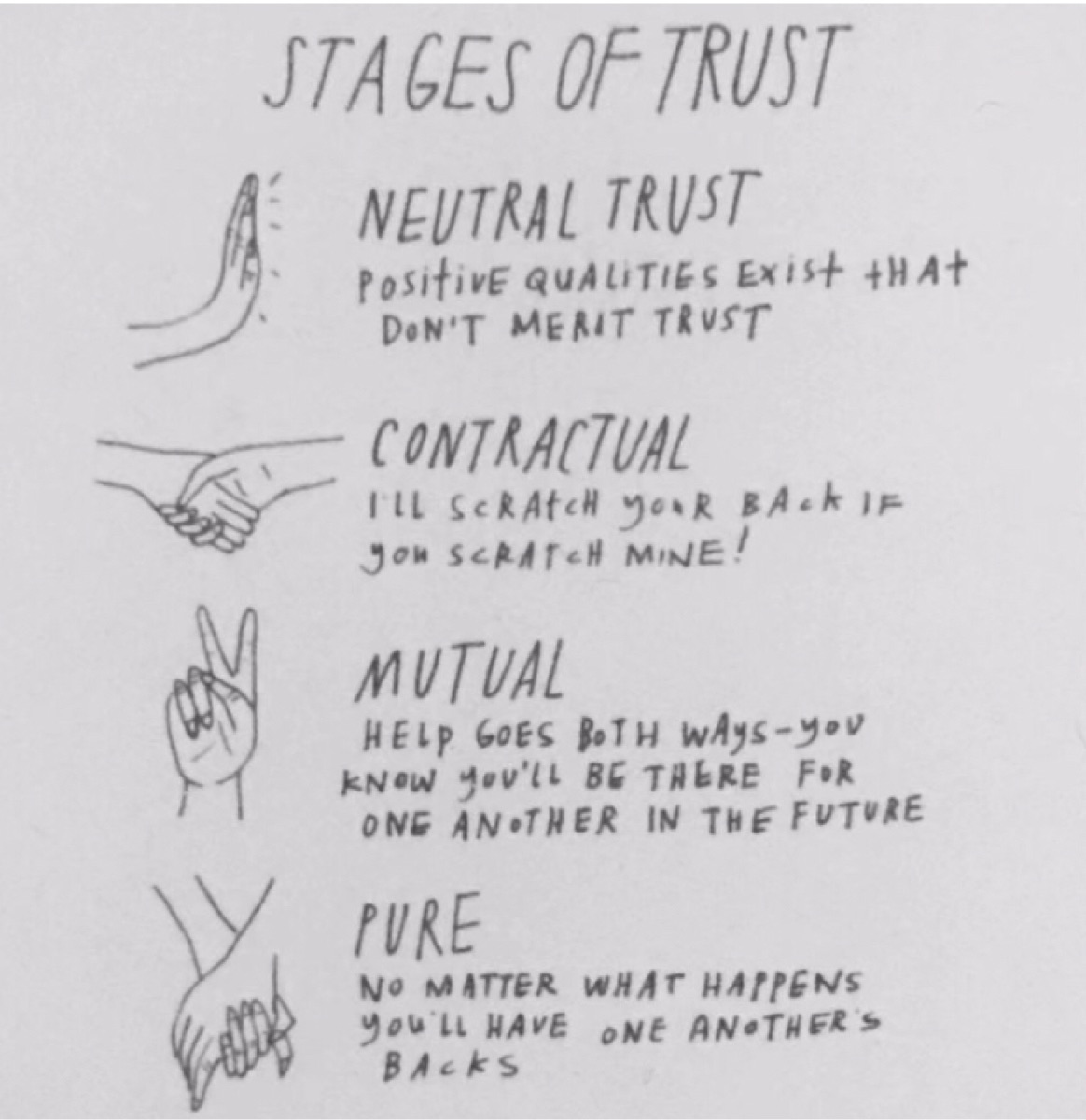
Stages of trust - refer image!

11. Service is the direct path to a happy and fulfilling life
Jay says, “Take care of yourself—yes. But don’t wait until you have enough time and money to serve. You will never have enough.” He also asks, “Who is wealthier, the one with money or the one who serves?”
He also urges us to serve with a kind intention without wanting anything in return. When we serve with a pure intention, their happiness is our happiness.