Active Recall: The path to mastery. | EdEfficiency
Curated from: www.edefficiency.com
Ideas, facts & insights covering these topics:
10 ideas · 1.9K reads

Literature is not only a mirror; it is a map, a geography of the mind.
The Importance of Mind Maps
Because of various benefits which one can reap from Mind Maps, it will help you succeed in academia, or in the workplace. They allow you to bridge the gap between the thought and the capture, thus improving retention.
What are Mind Maps?
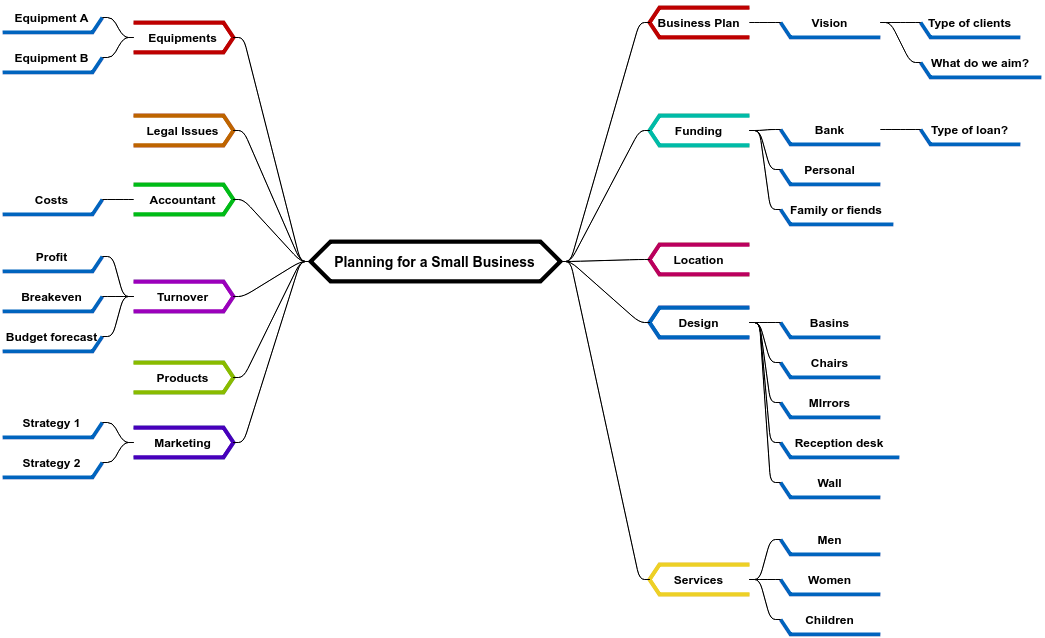
Mind maps are a visual representation of information, with branches representing subtopics from a common idea.
The Slash Mind Map
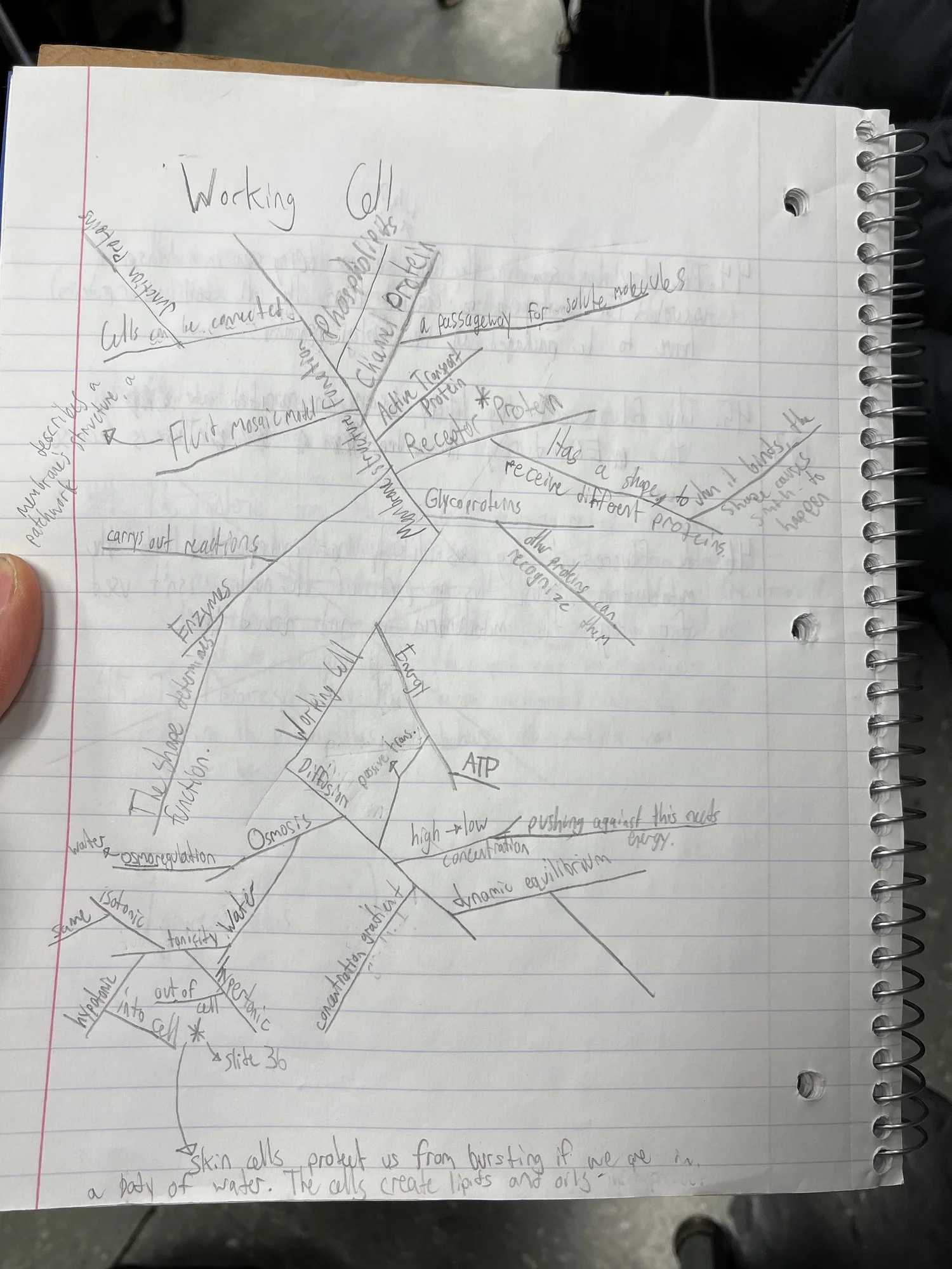
The slash mind map utilizes slashes in favor of classic notes. You can have branches which cover more specific information.
No facts - Just concepts
It will save you significant amounts of time if you omit specific facts from a lecture. Instead, cover broad topics with each node. You can always search things up.
The Guide
- Start with your main idea
- Add branches to this idea
- Add images/colors
- Continue branching
The Main Idea
Make a node in your mind map, generally the title of the lecture, or the main idea of the current slide.
Remember - stay as general as possible.
Branching out
The initial branches should still be general. As you branch out further, and the radial tree gets more complex, the nodes become more specific in scope.
Don't jot facts here. This should just be a title of the subtopic, or concept.
Images/Colors
If you are a visual learner, and find joy in aesthetic colors/images, you can supplement the mind map structure with auxiliary images.
Try to do this after the lecture is over.
Final Thoughts
I have started to use mind maps more often, and I love them. They force you to take what the lecturer says, and summarize it as simply as possible. Further, you have to break that summary into logical, coherent parts. I can take a glance at my lesson summaries, and see the general flow of the lecture. If I need to see a specific topic, I can search the tree formation by subtopic, or use Google if necessary.