How to Learn Anything: A real-world guide to mastering any new skill
Curated from: doist.com
8 ideas · 85.5K reads
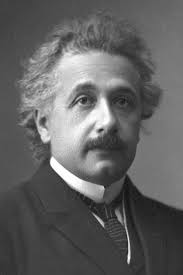
"Reading, after a certain age, diverts the mind too much from its creative pursuits. Any man who reads too much and uses his own brain too little falls into lazy habits of thinking."

"Our brains evolved to learn by doing things, not by hearing about them. This is one of the reasons that, for a lot of skills, it’s much better to spend about two thirds of your time testing yourself on it rather than absorbing it."

Telling Others About Your Pursuit
It can keep you accountable, but it can also lead to a false sense of completeness. One way to avoid sabotaging yourself is to state your goal as a commitment rather than progress towards the finished product.
Planning Your Learning By Yourself
Deconstruct a skill, then select and focus on the fundaments, the most meaningful parts.
Find a mentor so he can point out what are the most important parts for a beginner to learn. To save you both time, have specific questions in mind, like what is most frustrating to learn, how do they identify an expert and what is most and least useful.

Make Sure You Love The Process
Learning is a frustrating process. To increase your chances of sticking to it:
- Pick a skill where the road to mastery is as exciting to you as the finish line.
- Reward yourself for the successes you have along the way to take pride in your progress and help to maintaining long-term motivation.

Be Specific In Your Goals
Specific goals are easier to visualize and lend themselves to a clearer path to success than their vague counterparts. To set yourself up for success, narrow your skill down as much as possible.
Ask yourself what specific problem you want to solve with this skill, what aspects of the skill are more applicable to it and what you admire most about the performance of the skill.

Choose What To Learn Wisely
To be successful at mastering a skill ensures it is applicable. Being able to use a skill to objectively better your life is a great motivator.
The perfect skill either solves a problem you’re facing or scratches an itch you have. Otherwise, you’ll find yourself lacking the motivation and perseverance necessary to be successful.

Other Tips To Better Your Learning
- Use what you learn more and study it less, do it early and often to progress faster than just studying.
- Practice deliberately and focus on specific elements of the skill until you improve. Identify the fundamental components of the skill you’re learning that you struggle with the most and focus on them.
- Get feedback fast to better evaluate yourself and fix mistakes.
- Spread out your training to avoid burnout and increase performance.
- Make a learning plan, or even a schedule, and stick to it.
- Join a group to get benefits like extra motivation, access to a collective knowledge-base and a place to vent your frustrations. Find groups online o