How to Cope with Anxiety: 11 Simple Ways and When to See a Doctor
 Curated from:
www.healthline.com
Curated from:
www.healthline.com
Ideas, facts & insights covering these topics:
15 ideas · 8.8K reads
Use Aromatherapy
Whether they’re in oil form, incense, or a candle, scents like lavender, chamomile, and sandalwood can be very soothing.
Aromatherapy is thought to help activate certain receptors in your brain, potentially easing anxiety.

Go For a Walk Or Do Yoga
Walking away from an anxiety inducing situation can be very effective. Taking some time to focus on your body and not your mind may help relieve your anxiety.

Write Down Your Thoughts
Writing down what’s making you anxious gets it out of your head and can make it less daunting.
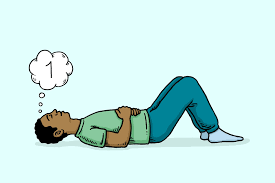
Practice Focused, Deep Breathing
Try breathing in for 4 counts and breathing out for 4 counts for 5 minutes total. Evening out your breath, you slow your heart rate which may help you calm down.

Question Your Thoughts
Negative thoughts can take root in your mind and distort the severity of the situation. Ask yourself if your fears are warranted, and see where you can take back control.
Manage Your Triggers
- Stressful environments
- Driving or traveling
- Genetics
- Withdrawal from drugs or certain medications
- Side effects of certain medications
- Trauma, phobias and other mental illnesses
- Chronic issues or illnesses like heart disease, diabetes, or asthma
- Caffeine, alcohol or smoking
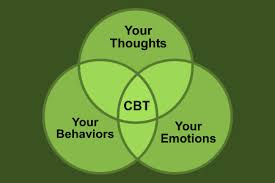
Cognitive Behavioral Therapy (CBT)
CBT helps people learn different ways of thinking about and reacting to anxiety-causing situations. A therapist can help you develop ways to change negative thought patterns and behaviors before they spiral.
Do a Daily Or Routine Meditation
While this takes some practice to do successfully, mindful meditation, when done regularly, can eventually help you train your brain to dismiss anxious thoughts when they arise.
If sitting still and concentrating is difficult, try starting with yoga.

Change Your Diet
Keep Your Body And Mind Healthy
Exercising regularly, eating balanced meals, getting enough sleep, and staying connected to people who care about you are great ways to stave off anxiety symptoms.

Ask Your Doctor About Medications
If your anxiety is severe enough that your mental health practitioner believes you’d benefit from medication, there are a number of directions to go, depending on your symptoms. Discuss your concerns with your doctor.
When Is Anxiety Harmful?
Anxiety is part of our brain’s response to a perceived danger. But it may grow out of control into an anxiety attack or a panic attack, or both simultaneously.
Initially, manageable anxiety can build up over a few hours and become an anxiety attack. This is different from a panic attack, which is out of the blue and subsides.

Signs Of An Anxiety Attack
- Feelings of danger, panic, or dread
- Nervousness or restlessness
- Rapid heart rate
- Sweating
- Trembling or chills
- Tiredness or weakness
- Gastrointestinal problems
- Difficulty focusing
- Hyperventilation
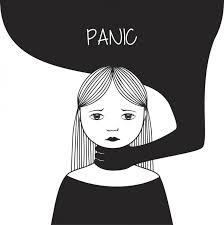
Symptoms Of a Panic Attack
- Fear of dying
- Feeling like you’re losing control
- A sense of detachment
- Heart palpitations
- Shortness of breath
- Chest pains or tightness
- Nausea
- Feeling lightheaded or dizzy
- Numbness or tingling in your extremities
- Feeling hot or cold
Managing Anxiety
If you notice that quick tips haven’t been working, you may want to consider seeing a professional for help. Especially if you may have GAD and it's interfering with routine activities and causing physical symptoms.
A mental health professional can help with streamlining the process of identifying your triggers and maintaining long-term strategies. Anxiety may always be a part of your life, but all cases can be managed.