How to ask good questions
 Curated from:
nesslabs.com
Curated from:
nesslabs.com
Ideas, facts & insights covering these topics:
6 ideas · 45.9K reads
The Little Known Skill Of Conversations
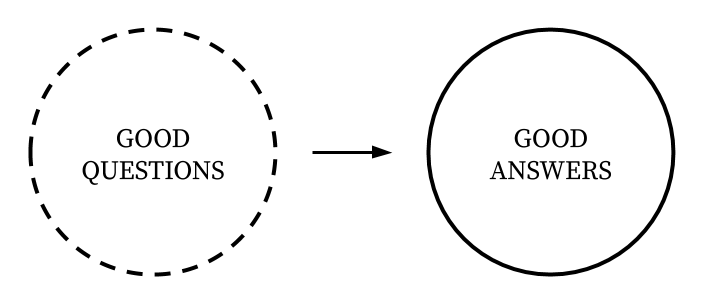
Asking good, effective questions is a powerful but little known tool to get the most helpful information, facilitate learning and improve interpersonal bonding.
In many cases, asking the right questions depends on complex dynamics and type of interaction, but there are some general guidelines that can commonly be applied to the conversation.
Knowing Why You Communicate
If you are distracted during a conversation or are asking ‘filler’ questions, the other person will lose interest.
Be genuinely interested and frame questions that help gather maximum facts and opinions about your interlocutor.
Number 1 Communication Rule: Listen First
Being a good listener is timeless advice, and it has been eighty years since Dale Carnegie mentioned being a good listener in his classic ‘How To Win Friends And Influence People’.
The advice is still rock solid, telling us to listen with intent while asking interesting questions that the other person would love to answer.
Interrupting With Care
We often interrupt an ongoing conversation and say what comes in our mind, and have to be mindful of that.
Statements can also be detrimental to our purpose of building a relationship. It is better to end the sentence with a question and let the other person speak.
Choosing The Right Words
Works are like keys that can lock or unlock minds. Use a neutral tone combined with the right words, avoiding conflicting or loaded ones.
It is also a good idea to keep the questions open-ended. Closed-ended questions often sound loaded or biased to the interlocutor.
Build On The Information
Random questions should be avoided, and a hierarchy should be built that follows general questions with specific ones while asking only one thing at a time.
It helps to use the new information that you get from an answer to frame your next question, creating a natural flow.