
Six Strategies That Have Quickly Improved My Writing
 Curated from:
lifehacker.com
Curated from:
lifehacker.com
Ideas, facts & insights covering these topics:
13 ideas · 61.3K reads

Expose It to Different People
Feedback is very important. Having someone read over your writing can highlight issues like typos or grammatical issues, and help you to clean up your work.
Experiment with New Formats
New formats are exciting and scary, and definitely worth doing if you want to stretch your writing muscle.
Try new kinds of content (articles, opinions, announcements, etc.) and play with different formats, to see what works best (images usually make a post more interesting, regardless of format).

Change Your Workflow
Try different methods, environments, and schedules in your quest for a workflow that suits you.
Experimenting is really helpful in determining what works and what doesn't.

More Practice, Less Theory
Reading and researching a post are the most nefarious distractions. It's so much easier to keep researching or reading or tweeting and not get around to putting words down.

"There's an awful temptation to just keep on researching. There comes a point where you just have to stop, and start writing."

Read More Widely
Be open to reading more fiction, more nonfiction, more research papers, to help you add knowledge to your life.
The more widely you read, the more chances you have to generate new, creative ideas or come up with interesting angles for what you write about.
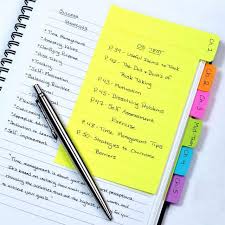
Pay Attention and Take Notes
It will help you with keeping track of quotes, books you've read, expressions and words you like, interesting concepts, and ideas you have.

Pay Attention and Take Notes
Taking copious notes prevents you from forgetting things and saves you the time you would spend searching for it again.
Whether you have a notebook handy or an app to capture something digitally, keeping track of quotes, books you've read, phrases and words you like, interesting concepts, and ideas you have is worth the effort.
Read (And Do) More Widely
The wider the information and experiences you have, the more chances you have to generate new, creative ideas or come up with interesting angles for what you want to write about.
Get a Lot Of Feedback
Having feedback can help you spot issues you tend to overlook. Also an uninvolved opinion also prevents you from investing on something that is bad because you are emotionally attached to it.

New Formats And Structures
Writing in different styles and formats lets you find and hone aspects that apply to multiple formats. You also get to exercise your skills as the writing won’t come as easily as it would if you were writing in the style you’re comfortable with.
Experiment With New Methods
Experimenting with different technologies, methods, environments, and schedules is really helpful in determining what works and what doesn't and can increase your efficiency.
Researching, note-taking, brainstorming, outlining, and drafting are particularly useful for the initial phase of writing.
More Practice, Less Theory
It's easy to unintentionally keep researching or reading or tweeting and not writing to the point it becomes procrastination. To fight against that, limit the time you spend on those activities and stop subscribing to sources of content that don’t add to your work.