10 Things We Know About the Science of Meditation - Mindful
 Curated from:
www.mindful.org
Curated from:
www.mindful.org
Ideas, facts & insights covering these topics:
11 ideas · 10.9K reads
Mindfulness
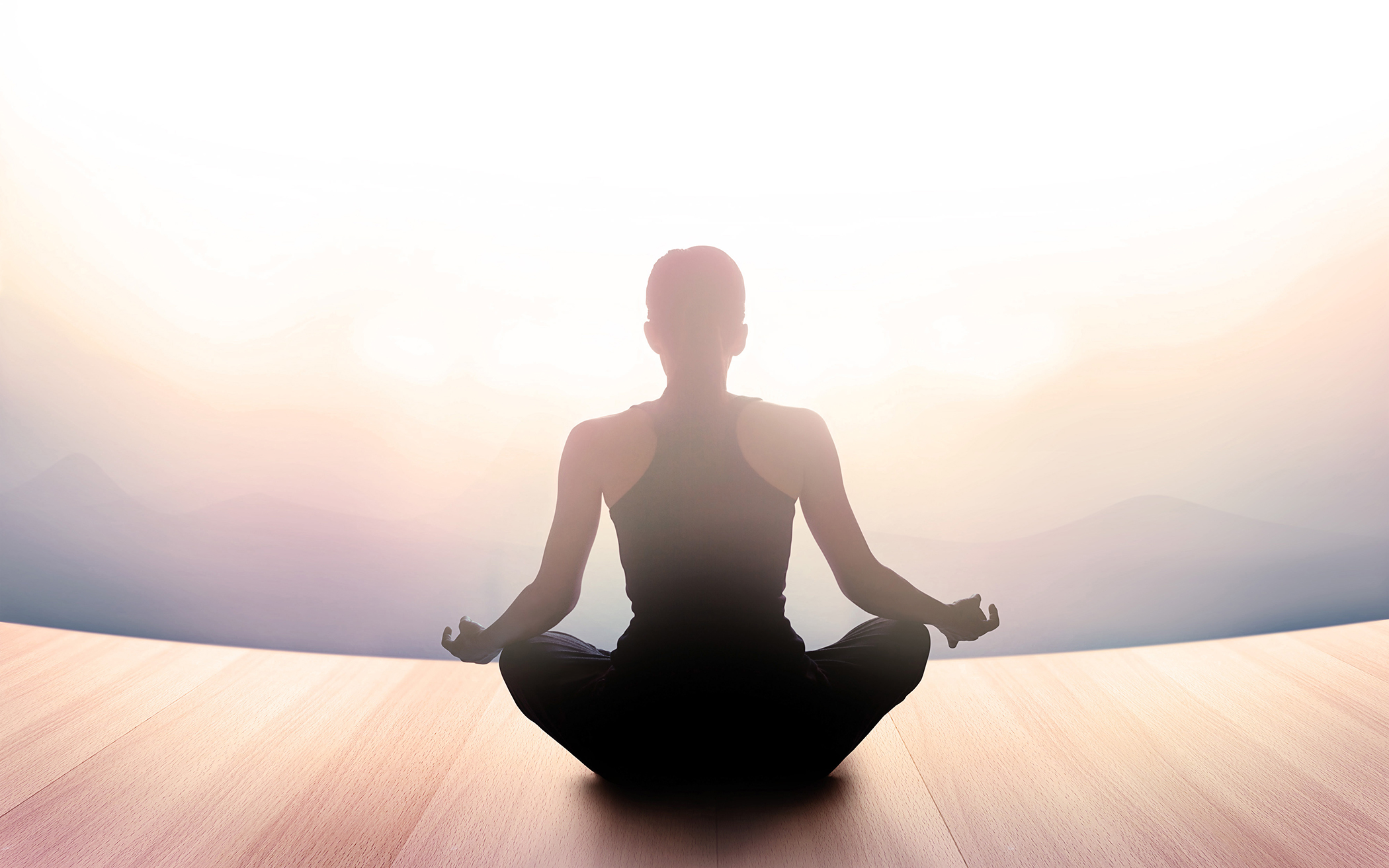
... is a collection of practices aimed at helping us to cultivate moment-to-moment awareness of ourselves and our environment.
Meditation sharpens your attention
Meditation helps to counter our tendency to stop paying attention to new information in our environment. Other studies have found that mindfulness meditation can reduce mind-wandering and improve attention.
Larger randomized controlled trials are still needed to understand how meditation might work with other treatments to help people manage attention-deficit disorders.
Consistent meditation
Long-term, consistent meditation mindfulness changes our ability to handle stress in a better, more sustainable way.
- Practicing meditation reduces the inflammatory response in people exposed to psychological stressors.
- Mindfulness practices help us to be less reactive to stressors and to recover better from stress when we experience it.
Meditation increases compassion
Meditation also makes our compassion more effective.
- Practicing loving-kindness meditation for others increases our willingness to take action to relieve suffering.
- For long-term meditators, activity in the part of our brains that reflects on thoughts, feelings, and experiences quiets down, suggesting less rumination about ourselves and our place in the world.
Meditation improves mental health
Meditation does seem to be generally effective for your well-being, but it is equal to many other steps you can take to stay healthy, such as exercise or therapy.
Mindfulness and relationship quality
Studies have found a positive link between mindfulness and relationship quality in romantic relationships and relationships with kids.
Mindfulness practice seems to activate the part of the brain involved in empathy and emotional regulation.
Mindfulness reduces biases
- Brief loving-kindness meditation may reduce prejudice toward homeless people.
- A brief mindfulness training may decrease unconscious bias against black people and elderly people.
- Mindfulness may reduce the sunk-cost bias.
- Mindfulness may decrease the negativity bias.
Meditation impacts physical health
There is some good evidence that meditation affects physiological indices of health, but other factors like education or exercise could also have a role to play.
Meditation might be bad for some
For individuals who have experienced some sort of trauma, meditating can evoke painful experiences that they may not be prepared to confront.
One study found many of the participants experienced fear, anxiety, panic, numbness, or extreme sensitivity to light and sound that they attributed to meditation.
Meditation that is right for you
The type of meditation you choose matters if you want to tackle a specific issue.
Studies have been made to compare four different types of meditation and they found that each type has its own unique benefits.
How much is “enough”
Research has yet to arrive at a consensus about how long meditation should take.
Perhaps the best guide is “You should sit in meditation for twenty minutes every day—unless you’re too busy. Then you should sit for an hour" - Old Zen saying.