
The Complete Guide to Self-Control | Scott H Young
 Curated from:
www.scotthyoung.com
Curated from:
www.scotthyoung.com
Ideas, facts & insights covering these topics:
9 ideas · 154.9K reads
Self-control
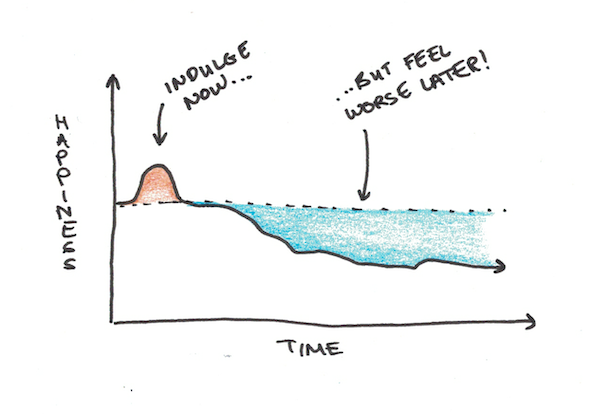
It’s your ability to resolve conflicts between your short-term desires and your long-term goals.
For example, successful self-control means sacrificing immediate pleasure (cookies and cakes) and choosing the delayed reward (healthy weight).
Why self-control matters
People who have high self-control aren’t missing out on enjoyment. Not being able to resist temptation and enjoying life are not the same things.
They tend to eat in a healthily way, exercise more, sleep better, drink less alcohol, smoke fewer cigarettes, achieve higher grades at university, have more peaceful relationships, and are more financially secure.
Biological limits to self-control
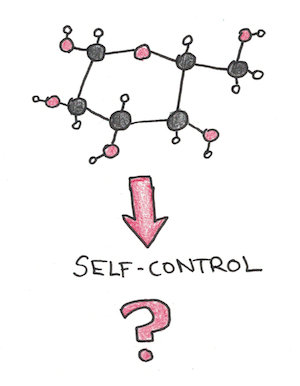
Research showed that self-control is ultimately limited by our biology. We can’t exercise effortful self-control indefinitely – the brain has to do regular maintenance to remain functional.
Achieving great self-control
People that are great at self-control don't have to make more effort. Instead, they avoid effortful strategies and use easier ones.
In this way, they don’t tax and overwork their brains, and thus they are free to invest their effort into pursuing their goals, instead of fighting with themselves
Bad self-discipline strategies
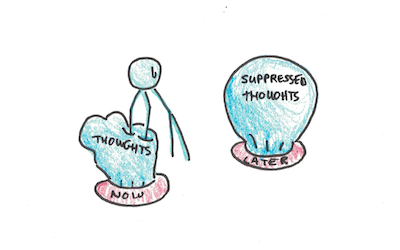
- Thought suppression: when you consciously attempt not to think about something. It can have some benefits in the short term, but it takes a lot more effort than other strategies and it will make your desire even stronger in the long-run.
- Resisting temptations: it when **you’re actively inhibiting your urge to act on them.** Because it’s one of the most effortful strategies, it’s likely to fail when applied over a longer period of time.
Make temptation less fun
Use a ‘commitment contract’. This is a way to impose costs on self-control failure.
For example, you sign a contract with a friend or a company and place a financial deposit. You only get your deposit back if you meet certain criteria after an agreed-on period of time. For instance, you need to cut down your smoking to a few cigarettes a day. If you don’t satisfy the criteria, then you lose your deposit.
Adjusting your identity
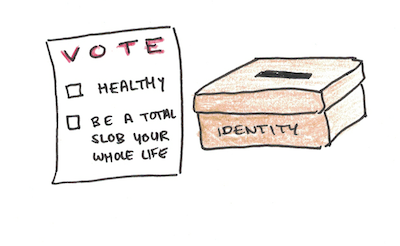
... to prevent self-control failures. Research has shown that people who have developed a self-image around virtuous activities are more likely to identify and resolve self-control conflicts.
For these people, indulging incurs a cost to their self-image – it contradicts the beliefs they have about themselves.
Self-control and mindfulness
Many studies have shown that mindfulness is an effective way for boosting our self-control.
Mindfulness doesn’t suppress or resist your thoughts and emotions. It just changes your perspective on them. You don’t judge your inner experiences (don’t evaluate whether your desires are good or bad).
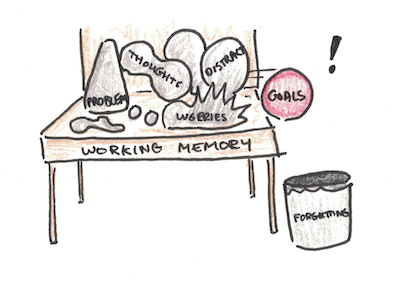
Removing distractions
Distractions cause cognitive load: they fill up your working memory. As a result, there’s less space for your long-term goals.
A distraction can be anything such as chatting with friends, listening to the radio or watching television.