What is Neuroplasticity? A Psychologist Explains

Ideas, facts & insights covering these topics:
12 ideas · 57.2K reads
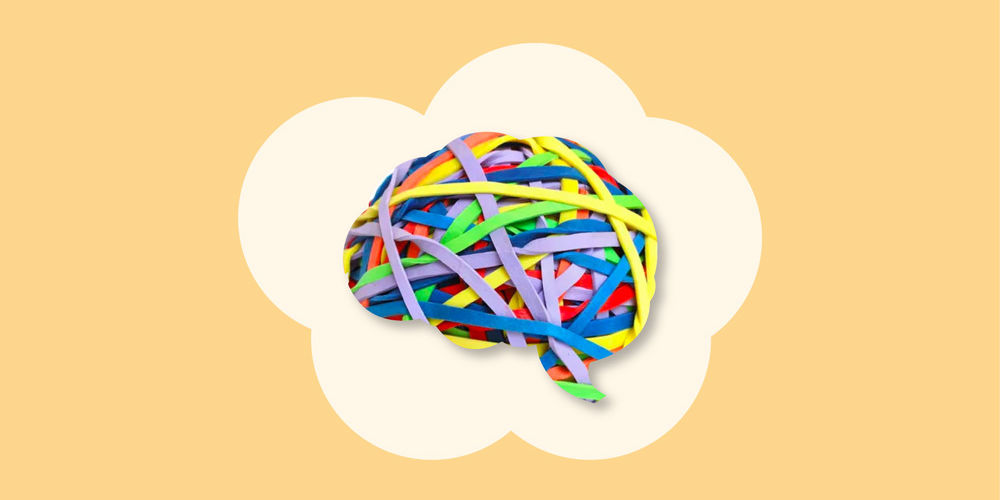
Neuroplasticity: The Brain’s Ability To Adapt
The human brain is not static, but is shape-shifting, upgrading, maintaining and housekeeping itself all the time.
The constant rewiring, adapting and upgrading is happening not just in our formative years, but through the course of our lifetime. This neuroplasticity of the brain can be nurtured and stimulated for further development.
The Reason For Neuroplasticity: Neuron Cells
While neuroplasticity is the ability of the brain to form fresh connections and to rewire itself, neurogenesis is the brain’s ability to grow new neurons.
Experiments in the 1960s discovered that traumatic events, stress and anxiety are detrimental to the neuron cells of the brain. This led to new understandings about the brain being a regenerative organ, where cells can regrow and replenish, also known as neurogenesis.
Principles Of Neuroplasticity
Neuroplasticity has two broad types:
- Structural neuroplasticity: When the synapses or the strength of connections between neurons changes.
- Functional neuroplasticity: When learning and development lead to permanent changes in the synapses.
Just like medications and chemicals change our brain, neuroplasticity has the potential to reinvent oneself and get over the traumatic events of the past. It has the power to dissolve our hardwired memories which are fear-based.
Neuroplasticity and Learning
When the brain learns new things, it connects neuron cells and creates new pathways. Learning new facts may not be very useful, but if one learns a new language, skill or a musical instrument, the neuron magic starts to happen and the rewiring begins.
If we have a growth mindset, where our skills and abilities can be consciously developed, the magic of the brain’s neuroplasticity starts to happen.
The Age Factor In Neuroplasticity
- The brains of children are extremely adaptive and start to form patterns and connections as soon as they are born.
- The exponential growth is then refined when the child grows up.
- The neuron cells can be adaptive to learning special skills or recovering from injuries, impaired due to genetic/acquired disorders, and excessive negative growth due to incorrect pathway connections.
- These abilities are present in adults though to a lesser degree.
The Benefits Of Neuroplasticity
Apart from forming new pathways and connections, neuroplasticity can also:
- Recover the brain from strokes and injuries.
- Rewire functions if one area is damaged.
- Heighten the senses of a particular function if the other is damaged.
- Increase memory and cognitive abilities, helping in learning.
How To Rewire Your Brain
One can boost or enhance neuroplasticity by:
- Fasting: Intermittent fasting increases synaptic adaptation and promotes neuron growth.
- Travelling: Exposing the brain to new environments.
- Memory Training: Memory exercises enhance connectivity and prevent memory loss.
- Learning something new: New neural connections are formed when learning a musical instrument.
- Using the non-dominant hand: When the unused hand is exercised, new pathways are formed and the existing ones are strengthened.
- Reading fiction: Stories that are imaginative enhances the connectivity of the brain.
- Vocabulary expansion: Learning words exercises the memory, visual and auditory processes.
- Drawing: Creating artworks enhances the default mode network (DMN), increasing introspection, empathy, attention and focus.
- Dancing: Increases neural connectivity, mind and body coordination and reduces the risk of Alzheimer’s.
- Sleeping: Sleep is crucial to process newly learned information and growth of the dendritic spines (connections between neurons).
Healing with Neuroplasticity After A Traumatic Experience
Patients with severe brain damage are able to rapidly heal themselves, practically remodelling the brain a few days or weeks after the trauma.
What’s weird is that a brain injury is a great time to take advantage of the rapid reorganization, recovery and other significant changes that a brain can perform on itself. During stroke recovery, learning something new or even re-learning something can result in significant gains.
Neuroplasticity: Depression And Anxiety
Psychiatric disorders, stress, anxiety and depression are by itself neuroplasticity, but in a negative, destruction-oriented way.
The damage caused to the brain by these mental disorders encourages unhealthy and dangerous pathways.
Breathing exercises, body awareness, changing thought patterns using meditation and memory exercises can help with the reversal of the negative neuroplasticity caused by mental disorders.
Neuroplasticity Exercises for Anxiety and Depression
Depression and anxiety can be regulated and reversed by certain exercises:
- Memory games, crossword, or sudoku.
- Juggling, or learning to play a new musical instrument.
- Learning a new language.
- Yoga.
- Meditation.
- Regular exercise of the body.
- Learning a new subject in a short time.
These techniques can also be used for treating ADHD, OCD and autism. Online games and apps work more or less the same if the other aspects like learning and exercising are also engaged with.
Chronic Pain and Neuroplasticity
Neurons are by themselves responsible for the experience of pain. The brain can adapt and manage chronic pain by:
- Mild electric shocks in the brain to stimulate certain areas.
- Magnetic stimulation of the brain.
- Fasting intermittently.
- Glucose supplements.
Apart from these, there are some regular things that we can do to treat chronic pain: exercising, avoiding junk food, quitting smoking, keeping the mind engaged and practising mindfulness.
Neuroplasticity: The Importance Of Meditation And Music
- Meditation has a profound effect on the neuroplasticity work inside the brain, with some regions like the hippocampus or certain parts of the amygdala becoming significantly larger.
- Music lifts our mood and is a highly impactful way to facilitate structural and functional changes in the brain, like improving cognitive skills.